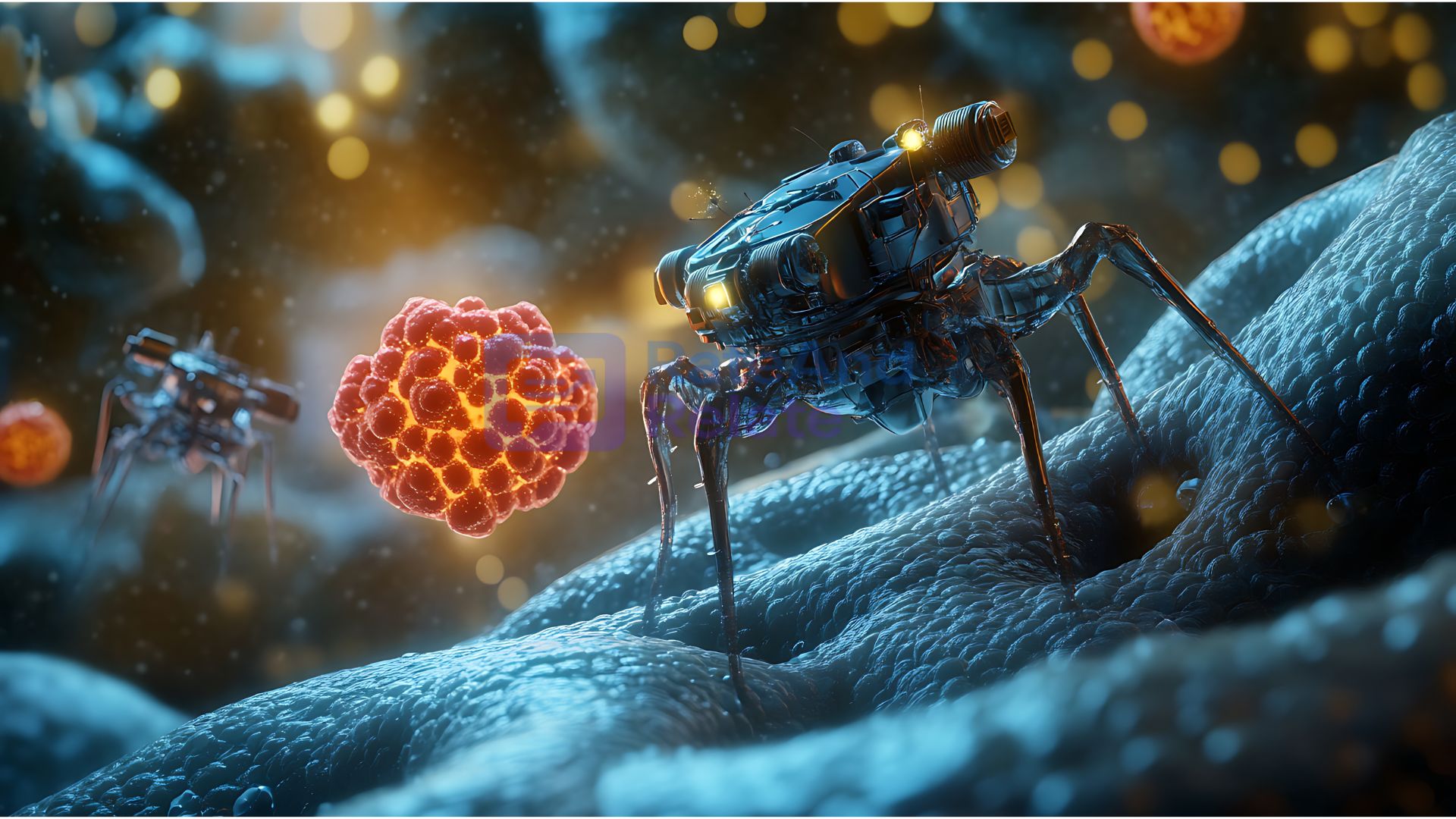

Nanotechnology has long promised to transform medicine, and that promise is now closer to reality with the rise of nanorobots—microscopic machines designed to perform specific tasks inside the human body. These devices, often smaller than a human cell, are opening new frontiers in diagnosis, targeted drug delivery, and even surgery.
What Are Nanorobots?
Nanorobots (or nanobots) are engineered microscopic devices, typically measuring between 1–100 nanometers, built from materials like carbon nanotubes, polymers, or metals. They can be programmed or guided using magnetic, chemical, or light-based control systems to perform precise tasks at the cellular or molecular level.
How Nanorobots Work
These robots operate in the bloodstream or tissues, where they can detect chemical changes, identify disease markers, and deliver drugs directly to affected cells. For instance:
- Magnetic nanorobots are guided using external magnetic fields.
- DNA-based nanobots unfold and release medicine when they encounter specific biological signals.
- Micro-motors powered by body fluids or chemical reactions allow controlled movement inside the body.
This high precision minimizes damage to healthy tissues and reduces side effects compared to traditional treatments.
Applications in Medicine
- Targeted Drug Delivery:
Nanorobots can transport chemotherapy drugs directly to cancer cells, avoiding harm to surrounding healthy tissues. This could make cancer treatment far less toxic and more effective. - Early Disease Detection:
Equipped with sensors, nanorobots can detect molecular signs of diseases like diabetes, Alzheimer’s, or cancer before symptoms appear, allowing preventive treatment. - Surgery at the Cellular Level:
In the future, nanorobots could perform microsurgeries such as clearing arterial blockages, repairing tissues, or destroying harmful bacteria—all from within the body. - Blood Clot Removal:
Magnetic nanobots have shown success in breaking down clots in animal studies, offering hope for stroke and heart attack prevention. - Regenerative Medicine:
Nanobots could assist in tissue repair or even deliver stem cells precisely to damaged organs for regeneration.
Challenges and Ethical Concerns
Despite their promise, nanorobots face major challenges:
- Biocompatibility: Ensuring they do not trigger immune responses.
- Control and Power: Developing safe and effective navigation systems.
- Manufacturing and Cost: Creating reliable, mass-producible nanorobots is expensive.
- Ethics and Privacy: As these devices can access biological data, regulations are needed to protect patient privacy and safety.
The Future Ahead
Research in nanorobotics is accelerating worldwide. Major universities and biotech firms are experimenting with biodegradable nanobots that dissolve after completing their tasks. Within the next decade, nanorobots could become integral to precision medicine—making treatments faster, safer, and more personalized.