
In an era where every buzz, ping, and notification demands our attention, silence has become a luxury. From sunrise to midnight, our lives are tethered to glowing screens — work emails, social media scrolls, and endless entertainment streams. Yet, amid this hyperconnected chaos, a quiet movement is gaining momentum: Digital Minimalism — the art of using technology intentionally, not habitually.
What Is Digital Minimalism?
Coined and popularized by computer scientist Cal Newport, digital minimalism is a philosophy that promotes mindful and purposeful use of technology. It doesn’t reject technology but rather redefines our relationship with it. The goal is simple: use digital tools to support your values and goals, not to distract from them.
In practice, digital minimalism means checking your phone less often, pruning unnecessary apps, reducing social media time, and prioritizing meaningful offline experiences. It’s not about deleting all your accounts — it’s about regaining control over your attention.
The Problem: Overconnection and the Cost of Constant Access
The average person checks their smartphone over 150 times a day. Notifications, social feeds, and digital platforms are designed to keep users hooked — using behavioral psychology techniques that reward scrolling and swiping. This constant digital stimulation fragments attention spans, increases stress, and leads to information fatigue.
What’s more, being “always online” blurs the line between work and rest. Remote work and online classes may offer flexibility, but they also bring digital burnout — a new-age exhaustion where the mind craves stillness it no longer gets.
Paradoxically, in trying to stay connected, many people feel more disconnected from themselves and others.
The Rise of the Digital Detox Movement
In response, millions worldwide are embracing digital detoxes — scheduled breaks from screens to recharge mentally. From “No-Phone Sundays” to “Tech-Free Retreats,” people are rediscovering the calm that comes from logging out.
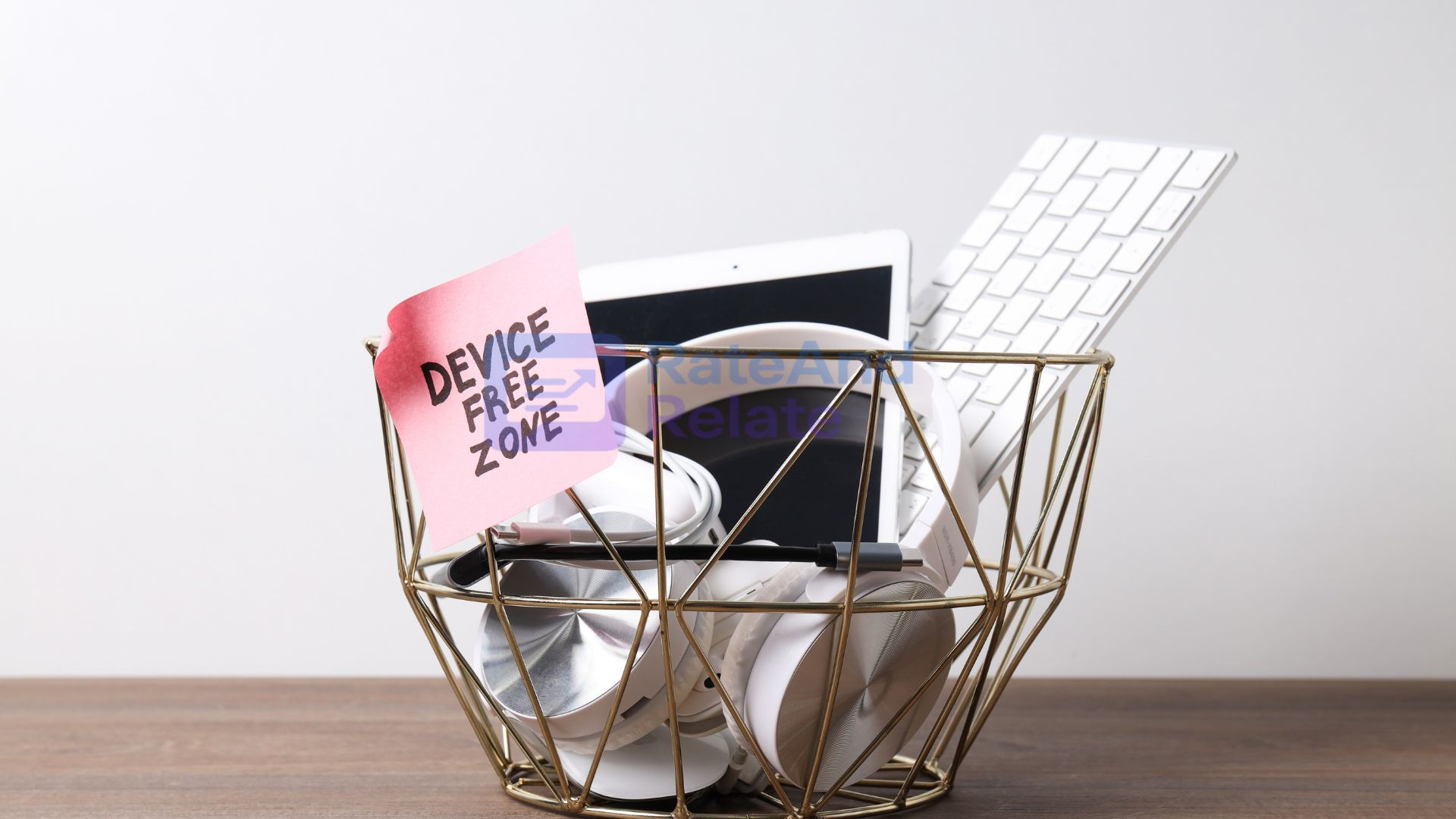
Luxury resorts now market “device-free vacations” as premium experiences. Cafés and coworking spaces that ban phones are attracting customers seeking focus and human connection. Even major tech companies are introducing “digital well-being” features — such as screen-time limits, grayscale modes, and focus timers — acknowledging the need for balance.
Being unreachable, once unthinkable, is becoming a status symbol — a sign of control in an uncontrollable digital storm.
Why People Are Turning Away from Constant Connectivity
- Mental Clarity: Continuous scrolling floods the brain with dopamine but leaves it fatigued and unfocused. Reducing digital noise improves concentration and creativity.
- Authentic Living: Instead of curating online personas, people are seeking real-life experiences and relationships.
- Emotional Health: Stepping back from social media reduces anxiety, comparison, and the pressure of constant validation.
- Time Recovery: Digital minimalists reclaim hours once lost to notifications — investing them in hobbies, learning, and self-growth.
- Mindful Consumption: Minimalists choose quality information and tools that truly add value to their lives.
The Luxury of Being Offline
In today’s digital economy, attention is currency — and those who can protect theirs are the true “wealthy.” Digital minimalism represents a new kind of luxury: the luxury of attention, time, and mental space.
When you decide when to connect — instead of reacting to every ping — you experience life more deeply. Walking without headphones, journaling instead of posting, or having an uninterrupted conversation can feel revolutionary in a world obsessed with screens.
How to Practice Digital Minimalism
- Audit your apps: Keep only those that serve a clear purpose.
- Schedule screen time: Designate hours for checking messages and browsing.
- Replace screen habits: Read, walk, meditate, or create instead of scrolling.
- Embrace solitude: Allow moments of silence for reflection and creativity.
- Set digital boundaries: Turn off non-essential notifications and respect “offline hours.”
These small steps shift your relationship with technology from addiction to alignment.
Reclaiming the Human in the Digital
Digital minimalism isn’t anti-technology — it’s pro-intention. It’s about using digital tools to enhance life, not consume it. In a culture that glorifies speed and multitasking, slowing down and disconnecting is an act of rebellion — and self-care.
In the end, true digital freedom isn’t found in the latest app or update, but in the ability to choose when to be online and when to simply be.