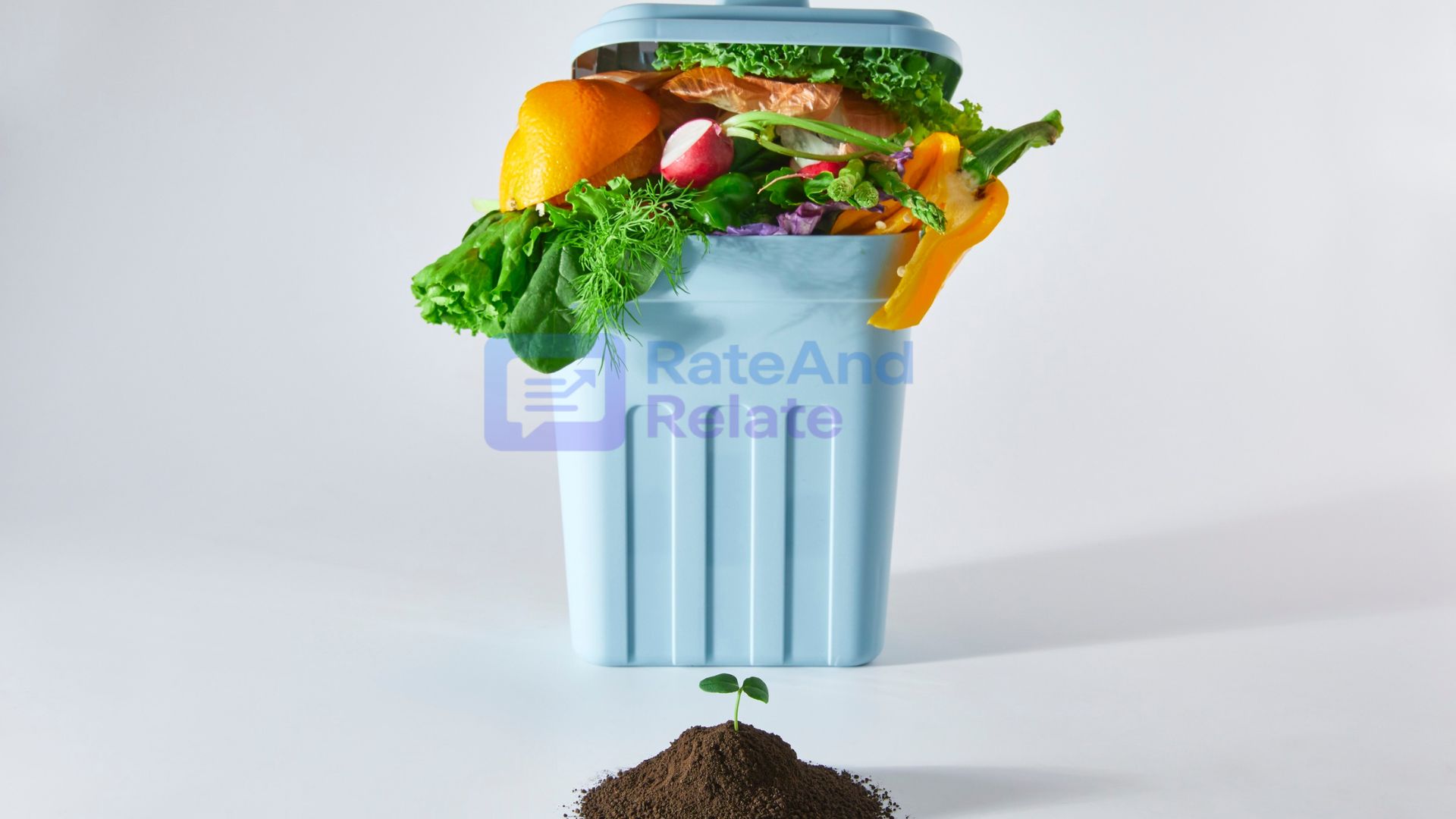

Every year, nearly 1.3 billion tons of food — almost one-third of all produced — goes to waste globally. While millions go hungry, resources like water, land, and energy are drained to produce food that never gets eaten. This is not just an ethical issue — it’s an economic and environmental crisis.
Enter Artificial Intelligence (AI) — the planet’s newest ally in the fight against food waste.
The Food Waste Problem
From farms to supermarkets, food is lost at every step. Farmers overproduce to hedge against bad weather, retailers discard perfectly edible produce for cosmetic reasons, and consumers buy more than they need.
The result? Billions of dollars lost, rising methane emissions, and an enormous carbon footprint.
How AI is Changing the Game
AI brings data, precision, and prediction — three things that food systems have lacked for decades. Here’s how it’s reshaping the fight against waste:
Smarter Supply Chains
AI algorithms can analyze demand patterns, weather data, and logistics to predict how much food needs to be grown, shipped, and stocked.
This means fewer products expiring on shelves and less waste from overproduction.
Example: Walmart and IBM use AI-driven blockchain tracking to monitor food freshness in real-time, reducing spoilage.
AI in the Kitchen
Restaurants and cloud kitchens are using AI systems to track food prep and waste.
By analyzing plate leftovers and order data, AI helps chefs adjust portion sizes and menu planning.
Startups like Orbisk and Winnow use smart cameras to automatically measure food waste and suggest improvements.
Predicting Spoilage
AI-powered sensors and vision systems can detect ripeness, contamination, or spoilage at early stages — before the food even leaves storage.
This means fewer recalls and better preservation.
Smart Shopping and Inventory Apps
At the consumer level, AI apps can track expiry dates, suggest recipes from leftovers, and plan weekly meals to avoid excess buying.
Apps like Too Good To Go and OLIO connect people to surplus food from restaurants and stores, saving millions of meals from being thrown away.
AI and Sustainable Farming
AI-powered analytics can predict crop yields and optimize harvesting schedules so that less food spoils in the field.
Drone imagery, weather forecasting, and soil sensors all help farmers produce just enough — not too much.
A Greener, Smarter Future
AI alone won’t end food waste, but it’s a catalyst for smarter, more sustainable systems.
By combining human empathy with machine intelligence, we can create a world where every crop, loaf, and meal is valued — and where technology feeds the planet, not the landfill.