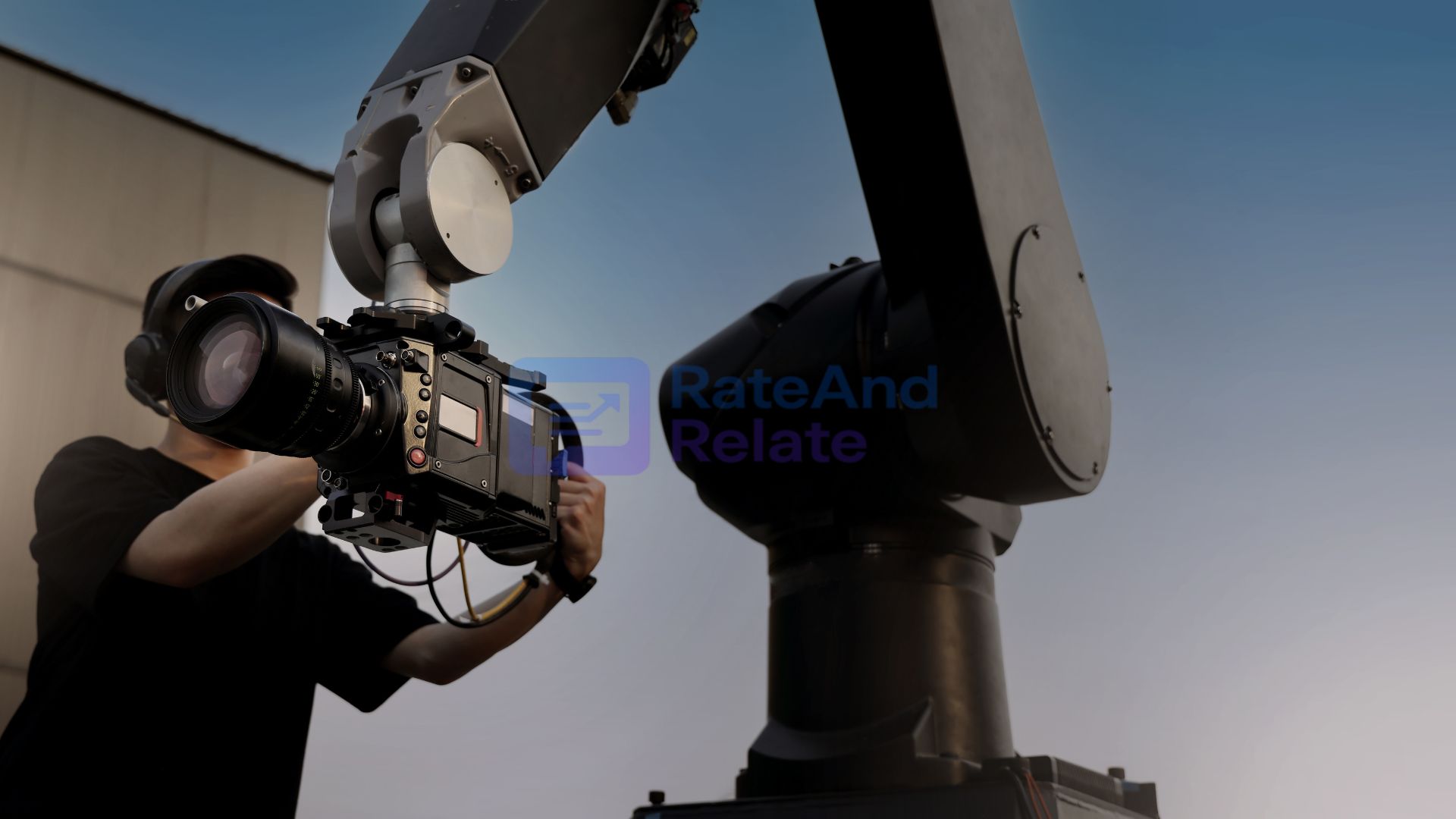

For decades, Bollywood was defined by grand physical sets, elaborate on-location shoots, and painstaking manual post-production. However, in my opinion, the industry is now undergoing one of the most significant transitions in its history. Artificial Intelligence (AI), advanced Visual Effects (VFX), and virtual production are no longer experimental add-ons—they are becoming central to how films are conceived and executed.
I believe this shift is not just about technology adoption. It reflects a deeper transformation in how Bollywood balances creativity, cost, and competition in a rapidly evolving global entertainment market.
From Spectacle to Systems: The Rise of VFX
There was a time when VFX in Bollywood was reserved for occasional spectacle sequences. Today, it is deeply embedded in storytelling. Period dramas, fantasy films, and large-scale action projects increasingly rely on digital environments, CGI enhancements, and crowd simulations.
In my view, this marks a shift from using VFX as decoration to using it as infrastructure. Filmmakers are now designing entire scenes around digital capabilities rather than physical constraints. However, what stands out to me is how this change has also improved efficiency. Complex effects that once took months of post-production can now be streamlined through advanced pipelines and software.
Actually, this evolution has made high-quality visuals accessible even to mid-budget productions, which was almost unimaginable a decade ago.
AI Enters the Creative Process
AI’s influence extends beyond visual spectacle. In my opinion, its real impact lies behind the scenes. Studios are increasingly using AI for script analysis, audience sentiment tracking, and box-office forecasting. Instead of relying purely on instinct, producers now blend creative judgment with data-backed predictions.
However, I think this raises an interesting question: does data enhance creativity, or does it limit risk-taking? While AI can identify patterns in audience preferences, storytelling still requires emotional intuition—something algorithms cannot fully replicate.
In post-production, AI-powered tools are improving color grading, sound mixing, dubbing, and lip-sync corrections. Voice cloning and language localization are expanding Bollywood’s reach across regional and international markets faster than ever. From my perspective, this is one of the most commercially powerful uses of AI in Indian cinema.
Virtual Production: Redefining the Film Set
Virtual production may be the most transformative technology entering Bollywood. Instead of traveling to multiple real-world locations, filmmakers can now shoot in controlled studio environments using large LED screens displaying real-time digital backdrops.
I believe this approach dramatically increases creative flexibility. Directors can adjust lighting, weather, and background elements instantly. However, it also reduces unpredictability—the kind that often defines traditional filmmaking.
While still in early stages in India, virtual production is gaining momentum. In my opinion, once infrastructure investments stabilize, this could become standard practice for high-budget films.
Cost, Control, and Creative Freedom
Many assume technology automatically inflates production budgets. However, I see it differently. While the initial investment in AI tools and virtual production setups is significant, long-term savings come from reduced reshoots, faster timelines, and streamlined workflows.
More importantly, I think technology is democratizing creativity. Smaller production houses can now achieve visual quality that was once exclusive to major studios. This levels the playing field and encourages experimentation with genres like sci-fi and fantasy, which Bollywood previously approached cautiously due to cost concerns.
The Talent Shift Behind the Camera
Bollywood’s transformation is not just technological—it is professional. Demand is rising for VFX artists, AI specialists, virtual production supervisors, and data analysts.
In my opinion, this signals a cultural shift within the industry. Collaboration between creative teams and technical experts is becoming essential rather than optional. However, I also believe there is a risk of over-reliance on technology. Visual brilliance cannot compensate for weak storytelling.
Technology works best when it enhances narrative depth, not when it replaces it.
Challenges and Ethical Questions
With innovation come ethical dilemmas. AI-generated content raises questions about authorship, consent, and originality. Deepfake technology and digital likeness replication introduce legal complexities that Bollywood is only beginning to address.
I think this is where the industry must proceed cautiously. While technological advancement is exciting, ethical frameworks must evolve alongside it.
There is also the risk of widening inequality between tech-equipped studios and smaller independent filmmakers. Sustainable growth, in my view, depends on skill development and broader access to these tools.
The Road Ahead
Bollywood’s future is not about choosing between tradition and technology—it is about integration. I believe AI, VFX, and virtual production should serve storytelling, not overshadow it.
As audiences become more visually sophisticated and global competition intensifies, technological adaptation is no longer optional. However, the real transformation lies not in flashy digital effects, but in how these tools enable smarter planning, tighter execution, and more ambitious storytelling.
In my opinion, Bollywood’s tech-driven evolution has only just begun—and its long-term success will depend on how wisely it balances innovation with creative authenticity.