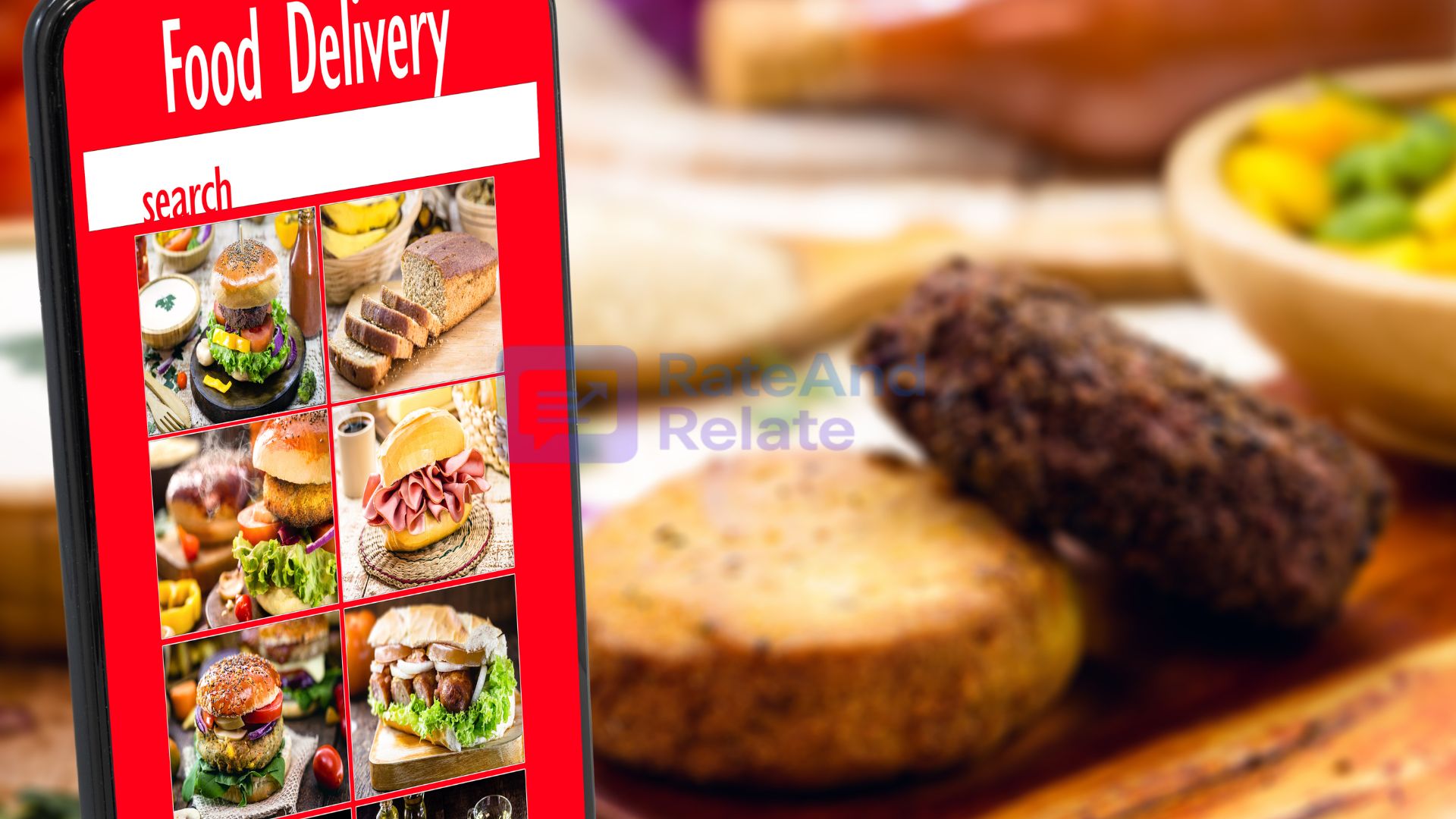

Food delivery has already conquered speed, convenience, and personalization. But a new frontier is emerging — emotion-aware food delivery, where what you eat is guided not by your cravings, but by your mood. With AI gaining the ability to read stress levels, sleep quality, and even micro-changes in voice tone, food delivery may soon become your most intuitive emotional companion.
From Cravings to Cognitive Signals
Traditional food apps rely on browsing behavior, past orders, and time of day.
But AI mood-based systems work differently. They extract data from:
- Wearables: heart rate variability, sleep cycles, step counts
- Voice patterns: pitch, pace, hesitations indicating stress or anxiety
- Phone usage metrics: typing speed, screen on-time, gesture intensity
- Facial cues: optional camera-based micro-expression analysis
These signals help the AI infer whether you’re tired, stressed, energetic, overwhelmed, or emotionally neutral — and match the meal accordingly.
How the System Works
- Mood Detection
AI continuously builds an emotional profile using your data stream. - Food-Mood Mapping
Datasets match emotional states with ingredients known to affect neurotransmitters:- Stress → magnesium-rich bowls, warm soups, herbal teas
- Low energy → complex carbs, B-vitamin meals
- Anxiety → omega-3 foods, slow-release proteins
- Sleep-deprived → easy-to-digest meals, hydration boosters
- Personalized Suggestions
The app highlights meals tagged as “mood balancing,” “calming,” or “energy boost.” - Feedback Loop
Users rate post-meal feelings, refining the AI’s emotional understanding.
Why This Matters
1. The Rise of Emotion-Tech
More consumers track stress, sleep, and screen fatigue. Integrating food into this emotional ecosystem makes eating part of overall wellbeing.
2. Healthier Consumption
Instead of impulse ordering during stress — usually fried food — customers receive nudges toward healthier, mood-balanced alternatives.
3. Massive Market Opportunity
Apps could partner with:
- mental-wellness platforms
- nutrition startups
- cloud kitchens
- wearable device companies
It creates a new revenue model: emotion-based meal subscriptions.
Potential Challenges
- Privacy concerns around emotional data
- Bias risks in mood detection algorithms
- Cultural differences in comfort food preferences
- Dependence on wearables for accurate data
However, with transparent consent and strong safeguards, consumers may welcome a system that helps them feel better, not just full.
The Emotional Future of Food
Within a few years, you may open your delivery app and see:
“You seem slightly stressed. Want a calming lentil-bowl or a warm masala chai set?”
Food delivery won’t just satisfy hunger — it will soothe emotion, improve wellbeing, and turn each meal into a personalized mood intervention.
A world where apps understand not only what you want, but how you feel, is no longer science fiction. It’s the next chapter of digital dining.