
For a long time, I think most of us accepted aging as something fixed and inevitable — a steady decline that simply comes with time. However, when I look at the latest developments in biology and medicine, it’s clear that science is beginning to challenge that old belief.
Actually, aging is no longer viewed as just “getting older.” It is increasingly understood as a biological process that can be studied, influenced, and potentially slowed. In my opinion, this shift from accepting aging to actively understanding it is one of the most fascinating developments of our time.
Understanding Aging at the Biological Level
Modern research shows that aging is not random. It involves specific, measurable biological mechanisms inside our cells. These include:
- Cellular senescence, where damaged cells stop dividing but don’t die, leading to chronic inflammation
- Telomere shortening, which limits how many times cells can replicate
- Mitochondrial dysfunction, reducing the energy available to cells
- DNA damage and protein misfolding, which accumulate over time
When I first learned about this, it changed how I viewed aging. Instead of a mysterious process, it started to look like something structured — something that follows patterns. And if there are patterns, there may also be interventions.
From Lifespan to Healthspan
In my opinion, one of the most important shifts in longevity science is the move from focusing on lifespan to focusing on healthspan.
Living longer doesn’t automatically mean living better. However, extending the number of healthy, active years — free from chronic disease — is far more meaningful. Researchers now aim to delay or prevent age-related conditions such as diabetes, cardiovascular disease, neurodegenerative disorders, and cancer by targeting their shared biological roots.
Actually, this approach makes sense to me. Instead of treating diseases separately after they appear, scientists are asking: what if we address the underlying aging process itself?
Breakthroughs That Are Changing the Conversation
Several areas of research are driving progress in longevity science:
- Caloric restriction and fasting biology, which show promising metabolic and lifespan benefits in animal studies
- Senolytic therapies, aimed at removing damaged “zombie” cells that contribute to inflammation
- mTOR and insulin signaling pathways, which regulate growth and metabolism and are closely linked to aging
- Epigenetic reprogramming, exploring whether biological age can be partially reset at the cellular level
While many of these discoveries are still experimental, early human trials suggest potential benefits. However, I think it’s important to remain realistic — science moves carefully, and long-term results take time.
Lifestyle: The Most Powerful Longevity Tool?
Interestingly, some of the most effective longevity tools aren’t found in advanced labs — they’re found in everyday habits.
Research consistently shows that physical activity, balanced nutrition, good sleep, stress management, and strong social connections influence biological aging markers. In my view, this is empowering. It means aging is not controlled entirely by genetics.
Actually, lifestyle choices act like daily “micro-decisions” that shape long-term health outcomes. Longevity science increasingly confirms what public health experts have said for decades — small consistent habits matter more than extreme short-term fixes.
Technology and Personalized Longevity
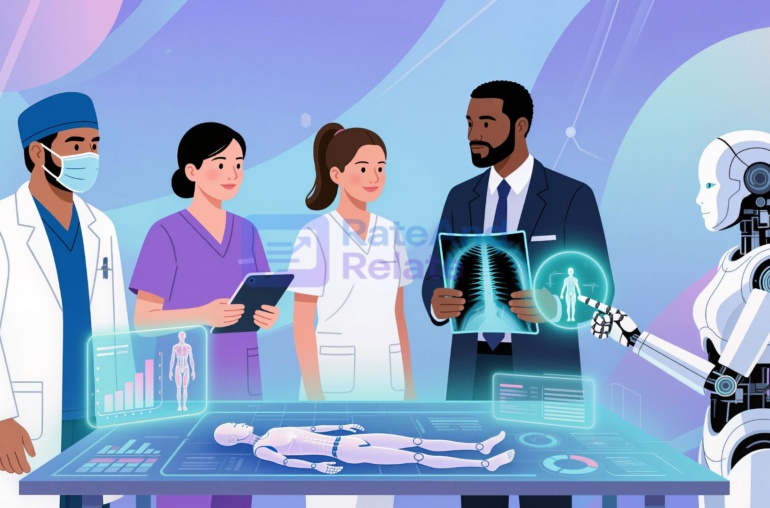
What excites me most is how technology is personalizing aging research. With AI, genomics, and wearable devices, we can now measure biomarkers like biological age, inflammation levels, and metabolic health.
However, personalization also raises questions. Will longevity tools be accessible to everyone, or only to those who can afford advanced testing and treatments?
Precision medicine promises tailored strategies based on individual genetic and environmental profiles. In my opinion, if implemented ethically, this could revolutionize preventive healthcare.
Ethical and Social Questions We Can’t Ignore
As science pushes the boundaries of lifespan, society will face new challenges.
Who benefits most from life-extending technologies?
Will longer lifespans strain healthcare systems and pension structures?
How will extended working years reshape careers and retirement?
I believe longevity research must move forward with fairness and inclusion in mind. Innovation without accessibility could widen inequalities.
Final Thoughts
When I reflect on how far aging science has come, I see a powerful shift in mindset. Aging is no longer viewed only as decline — it is increasingly seen as a modifiable biological process.
However, I don’t think the goal should be chasing immortality. In my opinion, the real achievement lies in aging better — staying active, mentally sharp, and physically capable for as long as possible.
Actually, the future of longevity is not about escaping time. It’s about working with science, lifestyle, and technology to ensure that the years we gain are years we can truly enjoy.
And that, to me, is a future worth investing in.