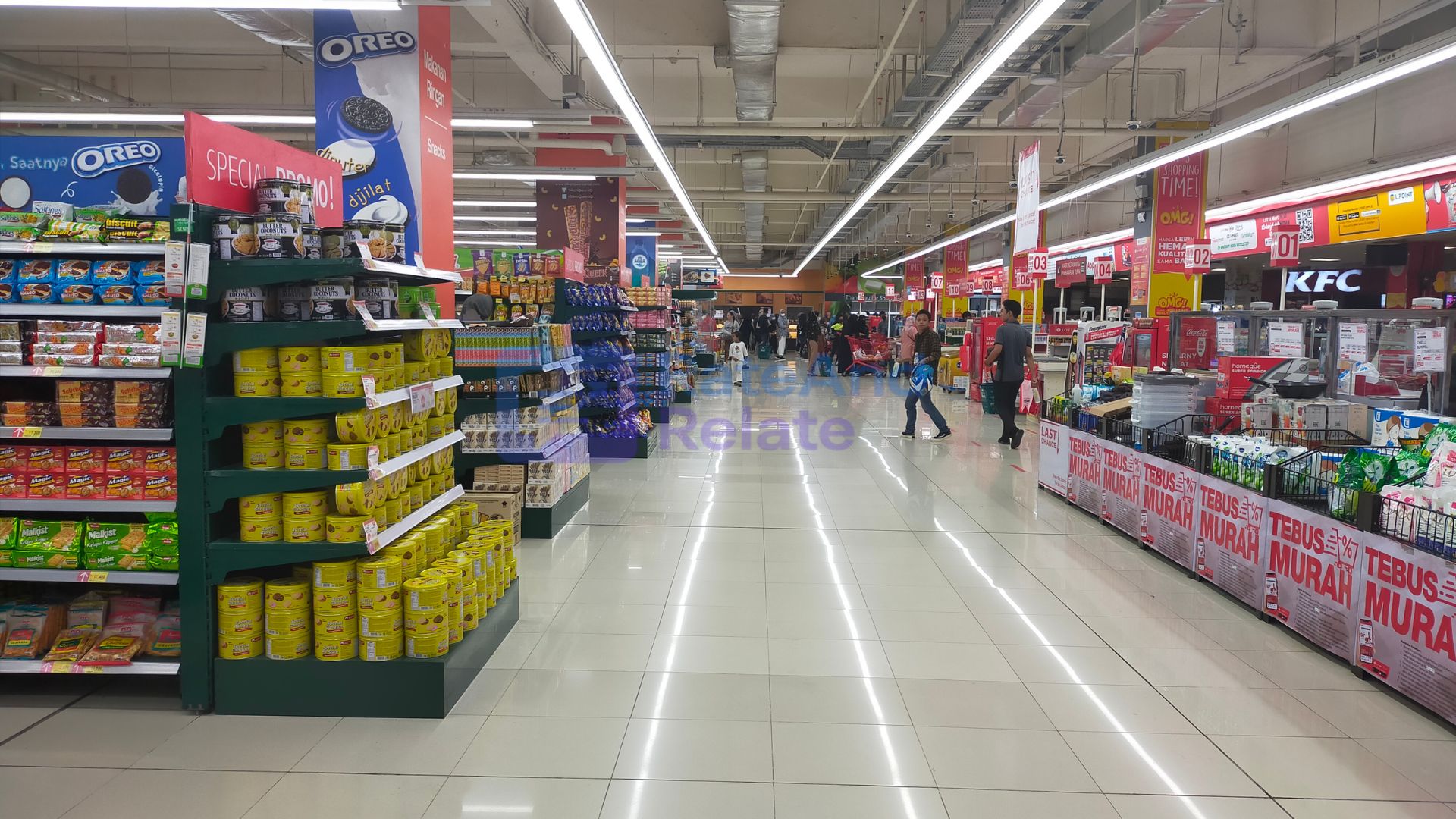

Retail is entering a new era — one where stores run without cashiers, sales staff, or back-office workers. Known as workerless retail, this model uses automation, robotics, and AI to operate stores that stay open 24/7, manage their own inventory, and offer frictionless checkout. What began as an experiment in convenience shopping is rapidly turning into a scalable global business model.
The Rise of Workerless Retail
Automation began with self-checkout counters, but today’s workerless stores go far beyond that. These next-gen retail formats use:
- Computer vision
- Smart shelves
- RFID-based tracking
- Automated payment systems
- Robotics for restocking
- Cloud-based AI management
Customers simply enter, take what they need, and leave — the system bills them automatically.
Companies from the U.S., China, Japan, and Europe are already piloting these formats, and adoption is accelerating, especially in urban zones and transportation hubs.
How a Fully Automated Store Works
1. Entry & Authentication
Shoppers scan a QR code, tap a card, or authenticate via app. The store logs a digital profile for the session.
2. Real-Time Product Tracking
Ceiling cameras and shelf sensors track which items customers pick up or put back. AI identifies products with over 99% accuracy.
3. Automatic Billing
When customers exit, the system finalizes their cart and charges their linked payment method — no queue, no checkout.
4. Robotic Restocking
Backroom robots bring items to the front using conveyor belts or automated carts, reducing the need for stock personnel.
5. Self-Managing Inventory
AI predicts stock needs, places automated orders, and syncs with suppliers to maintain near-perfect inventory levels.
Why Workerless Retail Is Booming
1. Lower Operating Costs
Labor represents the largest cost in retail. Workerless stores cut expenses dramatically, allowing even small formats to become profitable.
2. 24/7 Availability
Since no human shift is required, stores remain open at all times, boosting convenience and sales.
3. Theft Reduction
Advanced surveillance and digital entry systems reduce shrinkage to near-zero levels.
4. Hyper-Efficient Data Collection
AI captures movement patterns, dwell time, product interactions, and customer preferences in real time — unmatched insights for brands.
Opportunities for Businesses
Workerless retail isn’t just for tech giants. Startups and traditional retailers are exploring formats such as:
- Automated airport stores
- Unmanned neighborhood grocery pods
- Smart vending micro-markets in offices
- 24/7 campus retail cubes
- Autonomous franchise chains
Retailers can scale quickly, launching dozens of small outlets with centralized AI management.
Challenges & Risks
Despite its promise, fully automated retail faces hurdles:
- High upfront costs for hardware and AI systems
- Complex regulatory and licensing frameworks
- Privacy concerns around biometric and behavioral tracking
- Technical failures that can shut stores down
- Limited adoption for large-format stores (e.g., apparel)
But as sensors get cheaper and AI becomes more reliable, barriers are shrinking.
The Future of Shopping
Workerless retail is not a replacement for all stores, but it is transforming:
- Small-format retail
- Convenience and grocery
- Transit and travel retail
- Corporate and university micro-markets
- Pharmacy and essentials stores
The future store could be as small as a kiosk or as fast as a five-minute grab-and-go experience — no lines, no staff, and almost no friction.
In the next decade, thousands of retail outlets worldwide may operate without a single employee on-site. Workerless retail is becoming one of the most significant revolutions in global commerce — efficient, scalable, and built for the digital consumer.