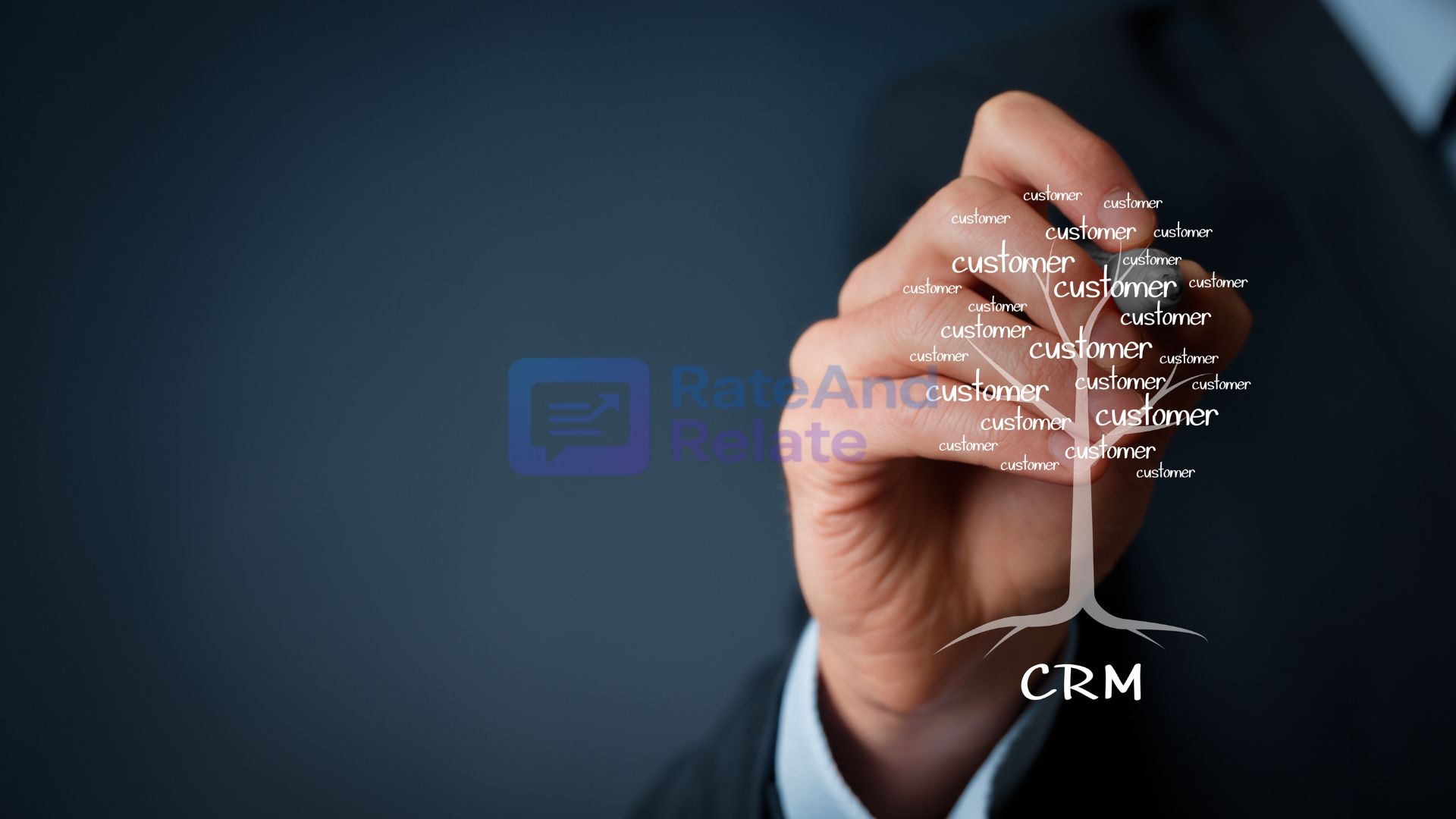

One of the biggest changes in modern business strategy is how companies manage customer relationships. Businesses today are not just focused on selling products or services. Actually, they are trying to build long-term relationships with their customers.
However, managing customer data, marketing campaigns, and communication manually can quickly become overwhelming, especially as a business grows.
This is exactly why many organizations are now adopting CRM and marketing automation software. These platforms help businesses manage leads, track customer interactions, and automate marketing campaigns from a single system. From what I have observed, companies that use these tools effectively often experience faster growth and stronger customer engagement.
The Growing Importance of Automation in Business
Actually, in traditional business environments, sales and marketing teams often worked separately. Sales teams managed customer data while marketing teams handled promotions and campaigns. In my opinion, this separation created inefficiencies and made it harder to deliver personalized communication.
Modern automation platforms solve this problem by bringing both functions together.
Today, many platforms can:
- Track every customer interaction
- Automate marketing campaigns
- Analyze customer behavior
- Improve lead conversion rates
Because of these advantages, many companies are researching the Best marketing automation tools 2026 to build scalable and efficient marketing strategies.
Comparing Popular CRM and Marketing Automation Platforms
When businesses evaluate automation platforms, I think it is important to consider not just the features but also how well the platform fits the company’s workflow. Different platforms offer different strengths.
Below are some widely discussed platforms in the marketing automation space.
1. SalesAndMarketing.ai
From my perspective, SalesAndMarketing.ai represents a new generation of integrated marketing platforms. Instead of forcing businesses to use multiple tools, it combines marketing automation, campaign management, and customer tracking into one system.
Some of its main features include:
- AI-powered campaign automation
- Customer segmentation tools
- Automated email marketing workflows
- Campaign performance analytics
- Customer feedback collection tools
What I personally find interesting about this platform is how it connects marketing activities with customer insights. Businesses can automate campaigns while also monitoring how customers interact with them.
The platform also includes functionality similar to Online survey & form builder software, which allows companies to collect customer feedback and use that data to improve marketing strategies.
Additionally, its automation system supports multichannel communication features similar to SMS marketing automation software, enabling businesses to reach customers across different communication channels.
2. HubSpot
HubSpot is one of the most well-known platforms that combines marketing automation with customer relationship management.
In my opinion, its biggest advantage is the way it integrates marketing, sales, and service tools into one ecosystem.
Key features include:
- Automated marketing workflows
- Lead scoring and segmentation
- Customer lifecycle tracking
- Marketing analytics dashboards
However, many growing companies eventually realize that advanced features can become quite expensive as the business scales.
3. ActiveCampaign
ActiveCampaign focuses strongly on customer experience automation and personalized marketing.
From what I have seen, this platform is particularly effective for managing automated customer journeys.
Its main features include:
- Advanced automation workflows
- Customer behavior tracking
- Email marketing campaigns
- Lead nurturing systems
Because of its strong automation capabilities, it often appears in a Mailchimp alternative comparison when businesses are evaluating marketing automation solutions.
4. Mailchimp
Mailchimp is one of the most recognizable marketing platforms, especially among small businesses and startups.
Many companies first consider Mailchimp when they are looking for Email marketing software for small business USA solutions. The platform is easy to use and allows beginners to create marketing campaigns quickly.
It offers:
- Email marketing templates
- Basic automation workflows
- Audience segmentation tools
- Campaign performance analytics
However, in my opinion, businesses that grow quickly often need more advanced automation capabilities.
5. Brevo
Brevo is another automation platform that focuses on affordability and multi-channel communication.
Its features include:
- Email campaign automation
- Contact management tools
- Marketing analytics dashboards
- Messaging automation systems
What I think makes this platform interesting is its ability to combine different communication channels into one marketing workflow.
Why Businesses Are Rapidly Adopting Automation Platforms
From my perspective, there are several reasons why more companies are investing in automation and CRM technologies.
1. Centralized Customer Data
Automation platforms allow businesses to store all customer information in one system. This makes it easier to track engagement, purchasing behavior, and communication history.
2. Personalized Marketing Campaigns
AI-powered tools analyze customer data to deliver more relevant marketing messages.
In my opinion, this level of personalization can dramatically improve campaign performance.
Many companies now prefer platforms that combine CRM capabilities with an AI marketing automation platform USA businesses can rely on for long-term marketing growth.
3. Improved Lead Conversion
Automation platforms help businesses nurture leads through targeted email sequences and behavior-based marketing campaigns.
Actually, this allows companies to focus their sales efforts on the most promising prospects.
4. Time and Resource Efficiency
One of the biggest advantages of automation is eliminating repetitive tasks. Marketing teams can automate follow-ups, lead nurturing, and campaign scheduling.
However, this does not replace marketing strategy—it simply gives teams more time to focus on higher-value activities.
5. Data-Driven Marketing Decisions
Automation platforms provide detailed analytics about customer behavior and campaign performance.
From my experience studying digital marketing trends, businesses that rely on data-driven insights often make better marketing decisions.
The Future of CRM and Marketing Automation
Looking ahead, I believe automation platforms will continue to evolve as artificial intelligence becomes more advanced.
Future marketing platforms may include:
- AI-generated campaign strategies
- Predictive customer behavior analysis
- Automated customer journey optimization
- Real-time personalization tools
Actually, these innovations will make marketing systems even more intelligent and efficient.
Conclusion
In my opinion, adopting marketing automation and CRM platforms is becoming essential for businesses that want to grow in an increasingly competitive digital environment.
By combining customer data, automation tools, and analytics, these platforms allow businesses to improve marketing performance and build stronger customer relationships.
Whether companies choose modern solutions like SalesAndMarketing.ai or established platforms such as HubSpot, ActiveCampaign, or Mailchimp, the real advantage lies in using automation to make marketing more strategic and data-driven.
However, businesses that adopt these technologies early will likely gain a stronger competitive advantage in the evolving digital marketplace.