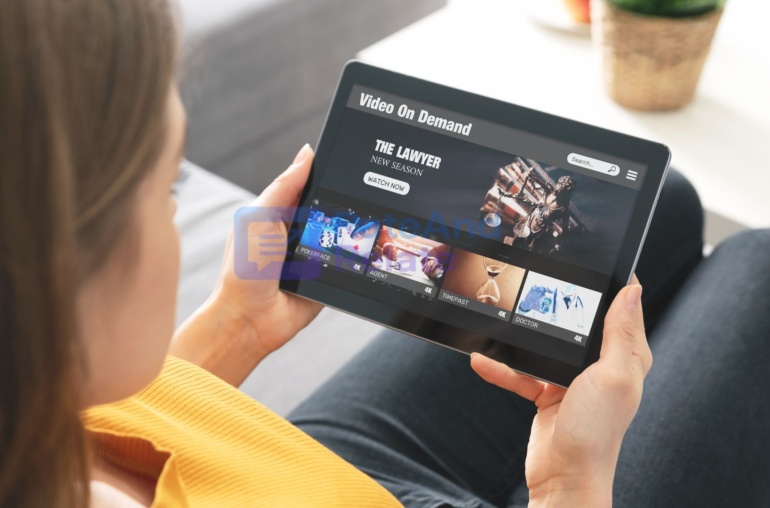

Ten years ago, if you told me people would pay real money for “digital clothes” that don’t exist in the real world, I would have laughed. “Why buy a sword you can’t hold? Why buy land you can’t walk on?” However, looking at the market today, the joke is on me. Virtual goods are now a multi-billion dollar economy.
We need to stop calling it “Fake Money.” If a kid in Mumbai values a Fortnite skin more than a physical toy, that value is real. Here is my analysis of why we are increasingly spending hard-earned cash on things we can never touch.
1. The “Rolex” Logic (It’s All About the Flex)
I used to think digital assets were useless because they had no function. Actually, I was missing the point. Why does a businessman buy a Rolex? Does it tell time better than a Casio? No. It signals Status.
- Virtual goods are just the new status symbols.
- In a Zoom call or an online game, nobody can see your shoes. But they can see your rare Avatar or your premium badge.
- We aren’t buying pixels; we are buying Social Proof.
2. The Magic of “Artificial Scarcity”
In the physical world, gold is valuable because it is rare. In the digital world, you can usually copy-paste a file a million times. However, developers have figured out how to break this rule. By using Blockchain (NFTs) or Game Code, they create Artificial Scarcity. This is genius economics. If only 100 people in the world can own a specific digital item, the demand skyrockets. It plays on our “Fear of Missing Out” (FOMO) perfectly.
3. The “Ownership” Trap (Read the Fine Print)
This is where I get skeptical. When you buy a chair, you own the chair. If the furniture store burns down, you still have your chair. In contrast, when you buy a digital skin in a game, you are usually just “renting” it. This is the biggest risk in the digital economy.
- If the game server shuts down, your asset vanishes.
- If the platform bans you, your investment is gone. We are moving from an “Ownership Economy” to an “Access Economy,” and most users don’t realize how fragile their digital wealth actually is.
4. The Business of “Micro-Transactions”
As a business owner, I respect the hustle. Video game companies used to sell a game once for $60. Now, the game is free, but they make millions selling $5 hats. Actually, this model is far more profitable because it never ends. It transforms a “Product” into a “Service.” It keeps the customer paying small amounts forever, which feels less painful than one big payment but adds up to a fortune.
Conclusion
You might still think buying virtual goods is silly. However, value is subjective. To my grandfather, a stamp collection was valuable. To my son, a Minecraft world is valuable.
We are spending more of our lives on screens than in the real world. It is only natural that we want to decorate our digital lives just as much as our physical homes. The goods might be virtual, but the economy is very, very real.