
India’s economic growth story has long been powered by two distinct yet interlinked engines — its urban consumers and rural households. As the economy recovers from the pandemic shock and navigates global uncertainties, a key question emerges: Is consumption recovering evenly across India, or is a gap widening between rural and urban demand?
Urban Revival: Powered by Services and Salaries
Urban India has clearly rebounded faster. The post-pandemic surge in white-collar employment, digital services, and premium consumption has driven growth in cities. From record car sales to increased spending on travel, dining, and electronics, the urban middle and upper classes have led the recovery wave.
Rising disposable incomes, easy credit, and digital convenience (UPI payments, BNPL, e-commerce) have boosted urban consumption. Corporate profits have also recovered, leading to better salary revisions in IT, BFSI, and manufacturing sectors — further reinforcing spending cycles.
Even retail data reflects this revival: high-end malls, food chains, and branded apparel are seeing strong footfalls, while the FMCG sector reports faster growth in metro and tier-1 cities compared to rural markets.
Rural India: A Slower Comeback
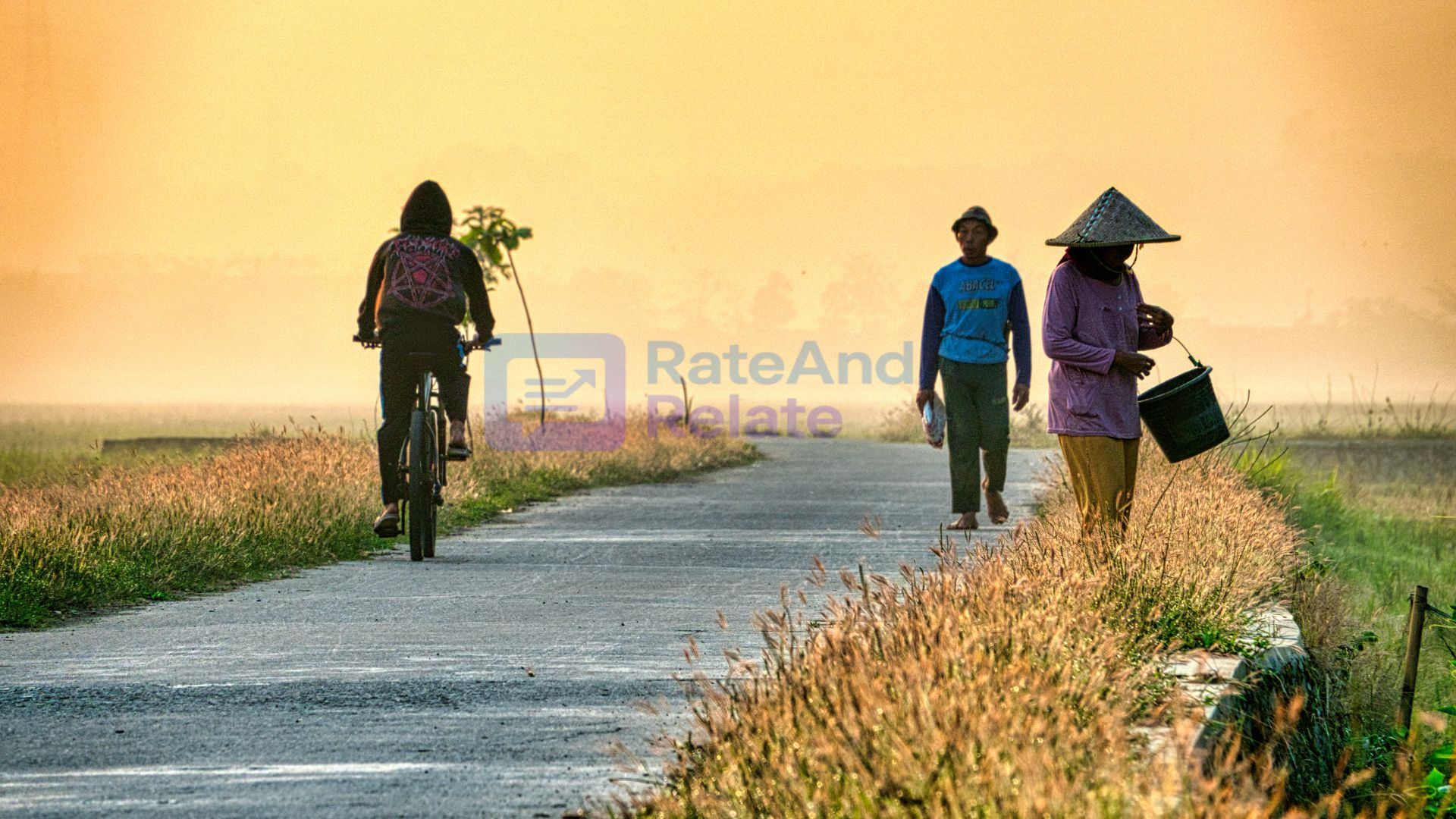
In contrast, rural consumption — which contributes nearly 45% of India’s total spending — has shown a slower and uneven recovery. A mix of weak farm income growth, high inflation in essentials, and reduced government rural spending has weighed on demand.
While agricultural output remains stable, non-farm rural employment (construction, small manufacturing, and informal jobs) has not bounced back fully. This has constrained discretionary spending. FMCG companies like HUL and Dabur have reported slower rural volume growth compared to pre-pandemic levels.
The impact of monsoon variability and rising input costs has further dampened the rural mood. Government schemes such as PM-KISAN, MGNREGA, and affordable housing initiatives have helped, but not enough to bridge the urban-rural divide.
Inflation and Income Divide: The New Challenge
One of the major reasons for this divergence lies in inflation’s uneven impact. Food inflation — particularly in pulses, vegetables, and cereals — hits rural households harder, as they spend a larger share of income on essentials.
Urban consumers, meanwhile, are cushioned by higher earnings and access to credit, allowing them to absorb price shocks. This has led to what economists call a “K-shaped recovery” — where different income groups and regions recover at very different speeds.
Early Signs of Rural Revival?
Despite the disparity, there are green shoots of rural recovery. Tractor and two-wheeler sales, key indicators of rural demand, have shown modest improvement. The government’s infrastructure push, rural housing projects, and focus on digital inclusion are likely to generate non-farm employment.
With good rabi crop prospects and cooling inflation, rural purchasing power could gradually improve in 2025. E-commerce platforms like Meesho and Flipkart are also driving consumption in smaller towns by improving access to goods and services.
Policy Implications: Bridging the Gap
To ensure balanced growth, India must focus on boosting rural incomes and consumption capacity. This includes:
- Increasing public investment in rural infrastructure and jobs.
- Enhancing access to affordable credit for small farmers and enterprises.
- Expanding social safety nets to stabilize household demand.
- Encouraging rural digital and skill inclusion to diversify incomes.
A synchronized policy push can help rural India join the consumption recovery — creating a stronger, more inclusive domestic demand base.
Two Indias, One Growth Path
India’s consumption story today reflects two contrasting realities — a buoyant, credit-driven urban economy and a cautious, inflation-hit rural one. While urban areas are driving growth in services and high-end goods, the next stage of sustained recovery will depend on rural resurgence.
Bridging this divide isn’t just an economic necessity — it’s key to ensuring that India’s growth remains inclusive, sustainable, and broad-based in the years ahead.