
For decades, globalization defined the world’s economic rhythm — factories in Asia, consumers in the West, and a supply chain stretching across oceans. But a quiet revolution is underway. Nations and corporations are bringing manufacturing back home. This movement, known as reshoring or local manufacturing, is reshaping global trade, supply chains, and the very idea of industrial growth.
Why the World Is Moving Back Home
The COVID-19 pandemic exposed the vulnerabilities of global supply networks. From semiconductor shortages to shipping delays, companies learned a hard truth: efficiency can’t come at the cost of resilience. Add rising geopolitical tensions, trade wars, and fluctuating logistics costs — and the case for local production became too strong to ignore.
Reshoring is now a strategic shift, not just an economic choice. Governments from the U.S. to India are offering incentives for domestic production, particularly in critical sectors like electronics, pharmaceuticals, and renewable energy.
Technology as the Enabler
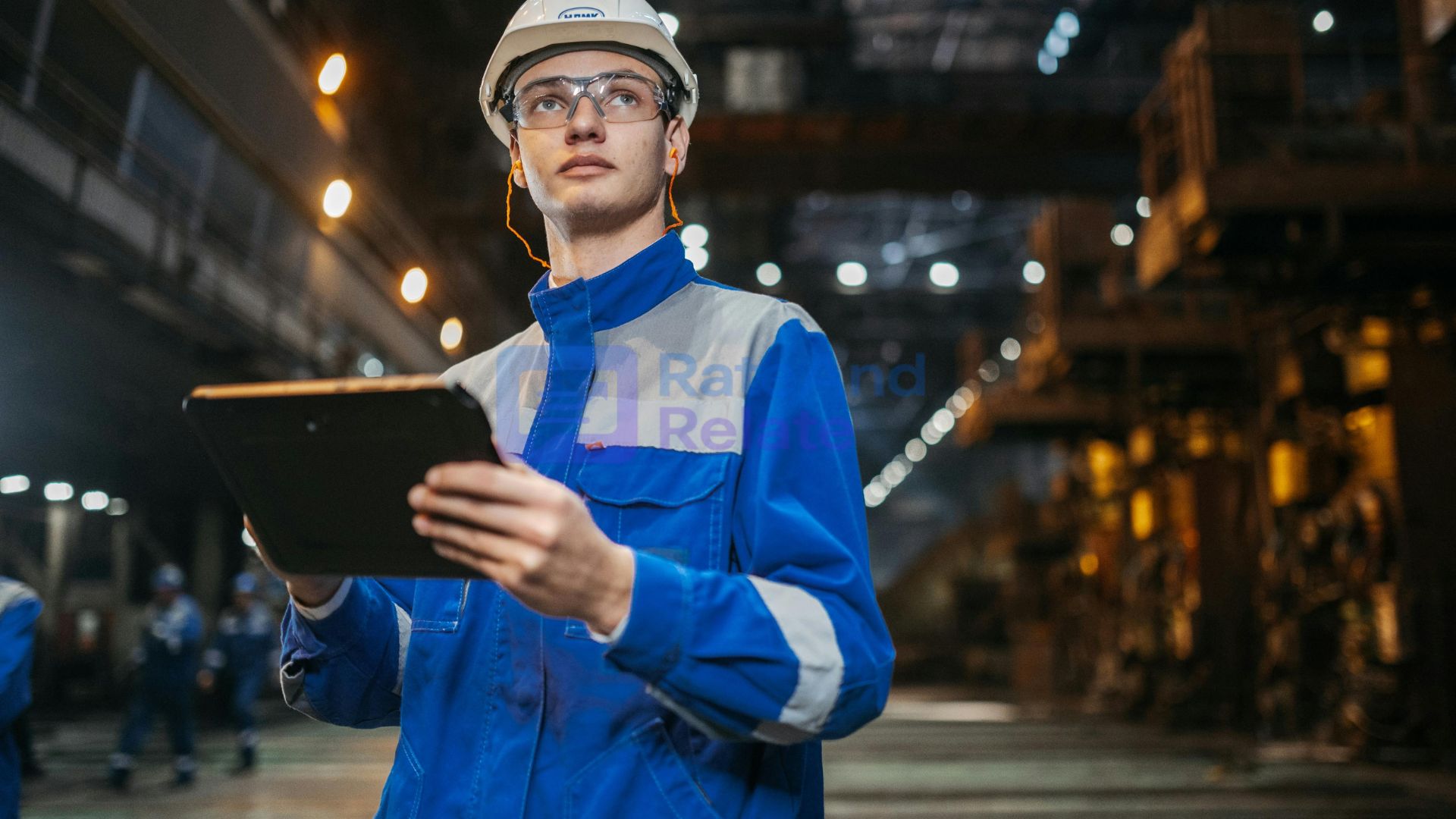
Unlike the smokestack industries of the 20th century, this new industrial wave runs on automation, robotics, and AI-driven manufacturing. Smart factories powered by the Internet of Things (IoT) and predictive analytics can produce goods faster, cleaner, and cheaper — even in high-wage countries.
In other words, technology has made proximity profitable again. Local factories no longer need to compete on low labor costs; they compete on precision, flexibility, and sustainability.
Sustainability and Consumer Sentiment
Consumers today care where and how their products are made. “Made locally” has evolved from a label of pride to one of ethics and trust. Local manufacturing reduces carbon footprints, supports regional economies, and shortens delivery times — all appealing to eco-conscious buyers.
This shift is also driving a new kind of patriotism — an economic one — where local production equals national resilience.
The Road Ahead
Reshoring is not a rejection of globalization but an evolution of it — a smart, distributed model that balances efficiency with security. Global networks will still exist, but they’ll be shorter, smarter, and more regionalized.
The New Industrial Revolution isn’t about returning to the past — it’s about reinventing production for a future that values resilience, sustainability, and technological intelligence as much as profit.