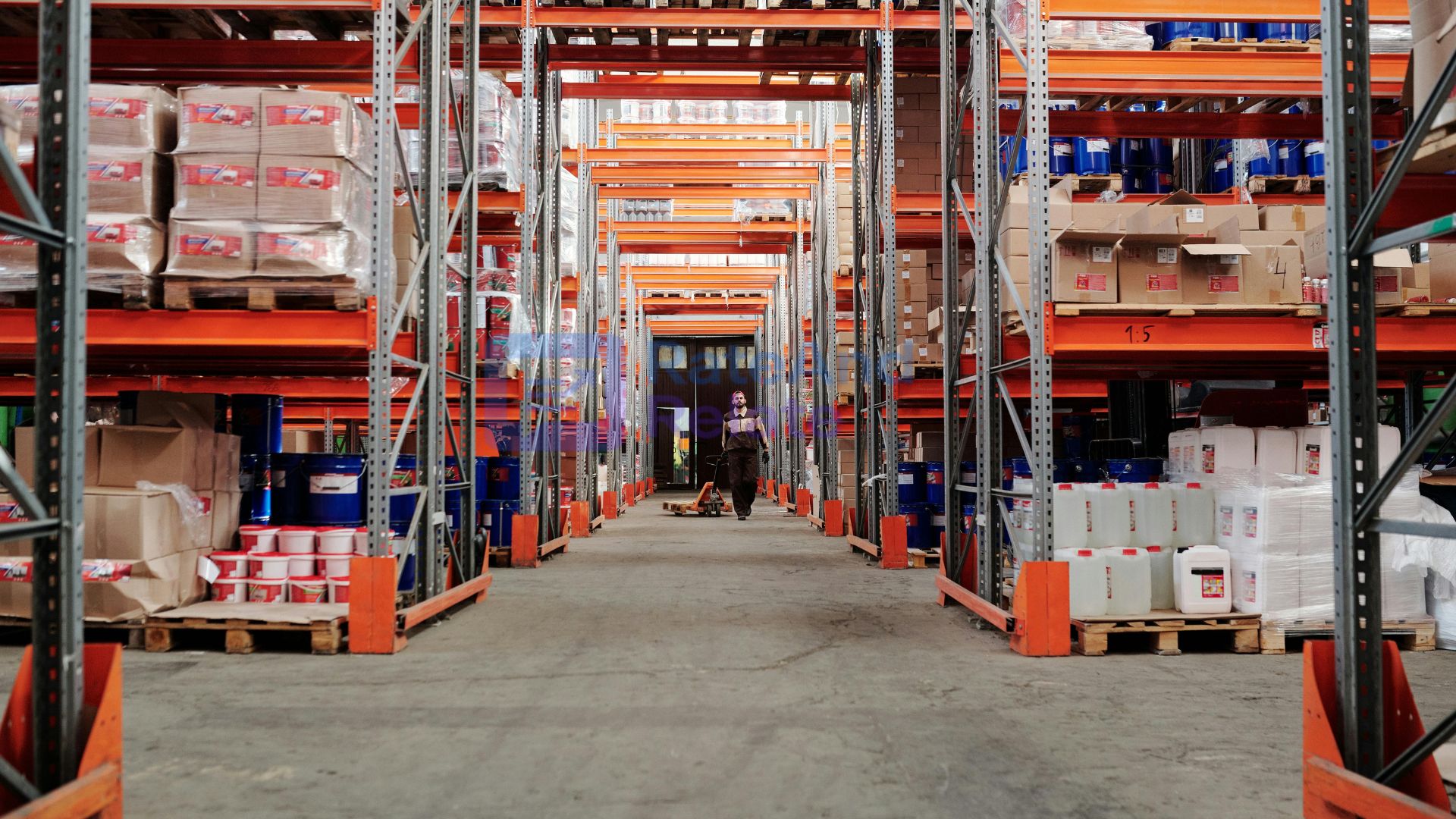

In today’s fast-changing global economy, supply chains are no longer just physical networks of production and logistics — they’re becoming intelligent digital ecosystems. The integration of advanced technologies such as Artificial Intelligence (AI), Internet of Things (IoT), Blockchain, and Big Data is transforming how companies manage procurement, manufacturing, warehousing, and delivery.
Despite the progress, many businesses still struggle to understand how these tools work together to make supply chains more transparent, agile, and customer-centric.
The Role of Emerging Technologies
1. Artificial Intelligence (AI)
AI enhances decision-making through predictive analytics, demand forecasting, and intelligent automation.
- Algorithms analyze data from multiple sources to anticipate disruptions, optimize routes, and balance inventory levels.
- AI chatbots and virtual assistants are also improving supplier communication and customer service.
2. Internet of Things (IoT)
IoT connects physical assets — trucks, containers, and warehouses — to digital systems through sensors.
- Real-time tracking of goods ensures visibility across the supply chain, reducing theft and spoilage.
- Smart sensors monitor temperature, humidity, and location, vital for sectors like pharmaceuticals and food logistics.
3. Blockchain
Blockchain introduces trust and transparency in multi-party transactions.
- It records every transaction securely, preventing fraud and counterfeit goods.
- Companies like IBM and Maersk use blockchain-based platforms for end-to-end shipment tracking and verification.
4. Big Data and Analytics
Big Data aggregates massive volumes of information — from sales forecasts to traffic patterns — helping managers make data-driven decisions.
- Advanced analytics tools provide insights into supplier performance, cost trends, and customer behavior.
- This enables proactive responses rather than reactive fixes.
Digital Twins and Real-Time Tracking
A digital twin is a virtual replica of a physical supply chain — simulating its behavior in real time.
- Businesses can test various “what-if” scenarios, predict bottlenecks, and plan preventive measures before problems occur.
- Combined with real-time tracking systems, companies gain full situational awareness from the factory floor to the customer’s doorstep.
Integrating Digital Tools Across the Value Chain
The true power of digitalization lies in integration.
- AI forecasts demand → IoT collects live shipment data → Blockchain secures transactions → Big Data analytics identifies performance gaps.
When these systems work in sync, supply chains achieve end-to-end visibility, reduced delays, and better customer satisfaction.
Challenges and the Need for Understanding
Many firms adopt digital tools in isolation without realizing their interconnected benefits.
Common challenges include:
- Lack of skilled personnel,
- Data silos across departments,
- High implementation costs, and
- Limited understanding of technology integration.
Supply chain digitalization is not a future trend — it’s a present necessity.
By combining AI, IoT, blockchain, and analytics, businesses can build supply chains that are transparent, efficient, and resilient against disruptions.
The key lies in understanding that digital transformation is not about technology alone — it’s about creating connected ecosystems that deliver real value across procurement, logistics, and customer experience.