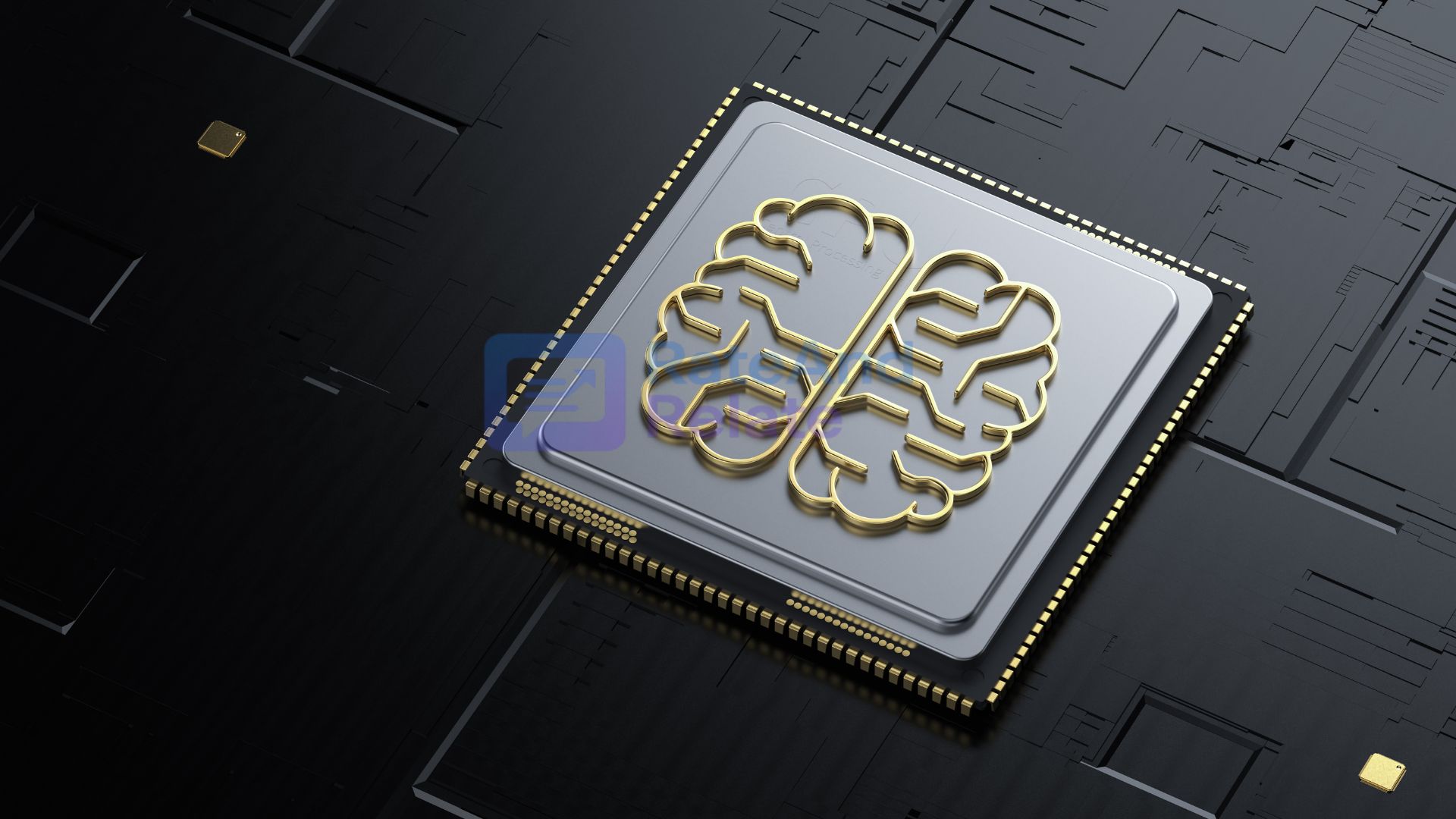

Imagine a computer that thinks more like a human brain than a traditional processor. That’s the promise of neuromorphic computing — a cutting-edge technology designed to emulate how neurons and synapses work in our brains. Unlike conventional chips, which process tasks sequentially, neuromorphic chips operate in parallel and learn over time, making them ideal for intelligent, energy-efficient devices.
What Is Neuromorphic Computing?
At its core, neuromorphic computing is a type of computing architecture inspired by the structure and functioning of the human brain.
- Traditional chips (like CPUs and GPUs) handle tasks step by step, consuming more power and taking longer for complex problems.
- Neuromorphic chips mimic neural networks using specialized circuits called spiking neurons, which communicate with each other in patterns similar to brain activity.
This allows devices to process information more efficiently, adapt to new data in real-time, and make decisions with less energy.
How It Differs From Traditional Processors
Neuromorphic chips differ from conventional processors in several ways:
- Parallel Processing: Unlike traditional chips that work sequentially, neuromorphic chips process multiple signals simultaneously.
- Energy Efficiency: They use far less power, making them ideal for AI and edge devices.
- Learning Ability: While conventional processors rely on software models, neuromorphic chips can learn directly through their hardware.
- Adaptive Response: They respond to data in a flexible, human-like way rather than deterministically.
In essence, neuromorphic chips don’t just compute — they adapt and learn, similar to how our brain strengthens or weakens connections based on experience.
Real-World Applications
- Artificial Intelligence at the Edge
Devices like smartphones, drones, and robots can run AI locally, reducing dependency on cloud servers and providing faster responses. - Energy-Efficient Computing
Neuromorphic chips enable low-power AI operations, perfect for wearables, smart sensors, and autonomous devices. - Advanced Robotics
Robots can learn from their environment, adapt movements in real-time, and perform complex tasks with flexibility. - Sensory Processing
They can handle vision, hearing, and tactile data in real-time, similar to how the human brain interprets the world. - Healthcare Innovations
Applications include brain-machine interfaces, prosthetics that respond to neural signals, and early disease detection systems.
Why Neuromorphic Computing Matters
Neuromorphic computing promises a paradigm shift in machine intelligence. Its main benefits include:
- Energy Efficiency: Reduces the high power demand of traditional AI models.
- Real-Time Learning: Devices can adapt continuously without retraining massive models.
- Brain-Like Intelligence: Enables smarter, context-aware, and autonomous systems.
As AI becomes more widespread, neuromorphic chips bring intelligence closer to the edge, allowing devices to make faster, smarter decisions.
Neuromorphic computing is not just another type of processor — it’s a glimpse into the future of intelligent machines. By mimicking the brain’s structure and learning mechanisms, it promises faster, more efficient, and adaptive devices. From robotics and healthcare to smart devices and AI, neuromorphic technology is set to redefine how machines think and learn.