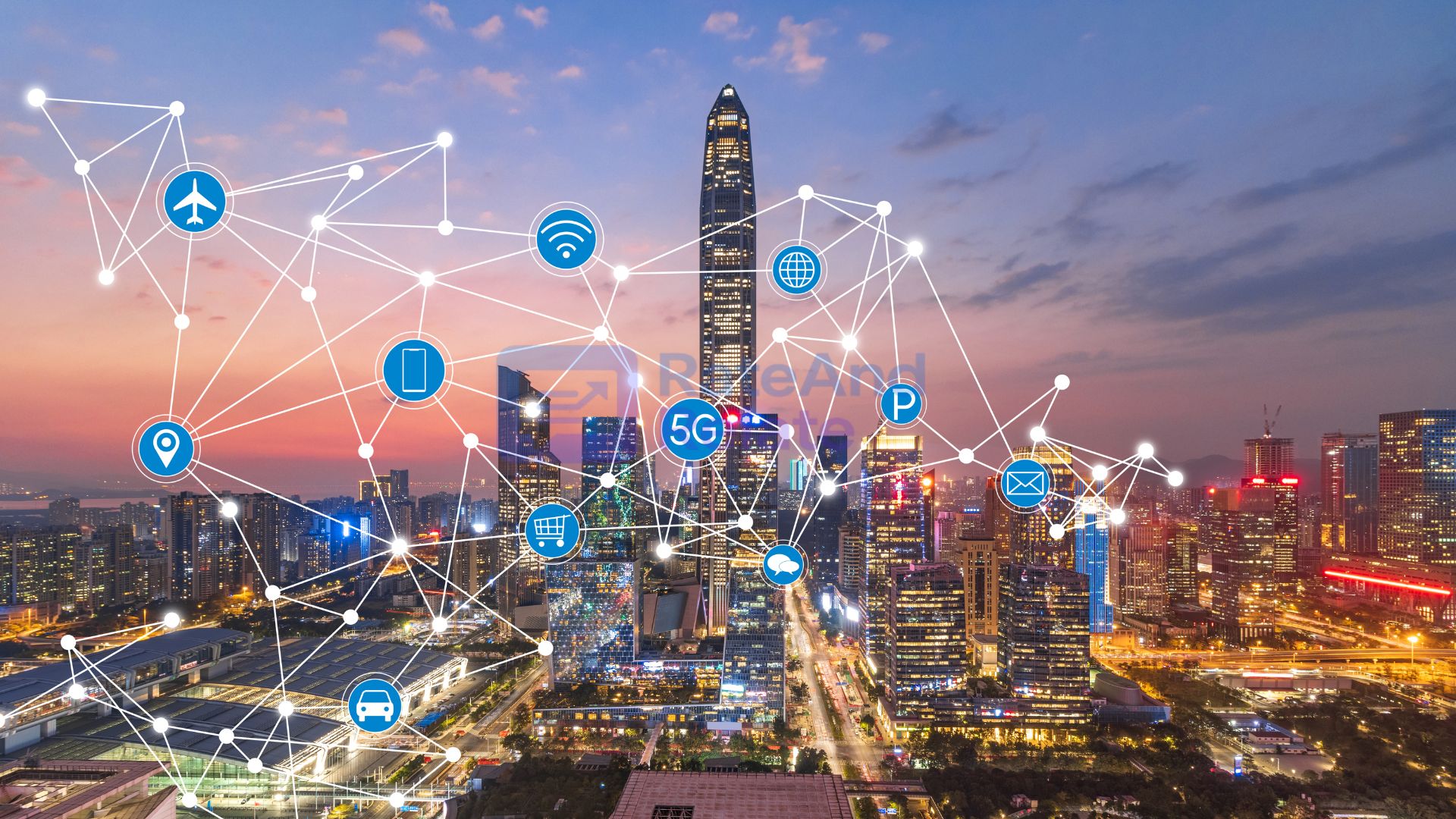

Cities are on the brink of a radical transformation. The next chapter of urban evolution is not just “smart” — it’s hyper-personal. Powered by AI, future cities will adapt to each individual’s lifestyle, preferences, and needs. From the way we move to the food we eat and the homes we live in, everything will function on personalization, prediction, and precision.
Transport That Adapts to You
AI is pushing mobility beyond fixed systems into fluid, person-first experiences.
Key transformations:
- Dynamic public transport that adjusts routes based on real-time demand.
- AI-powered buses and metros that increase or reduce frequency based on crowd patterns.
- Autonomous shuttles that reroute to match commuting behaviour.
- Smart traffic lights and tolls that adapt to congestion patterns.
- Predictive engines that plan your commute before you open the app.
In hyper-personal cities, mobility becomes a service that moves with you, not around you.
Food That Predicts Your Cravings
Food delivery and consumption are becoming deeply algorithmic.
What AI will enable:
- Meal recommendations based on nutrition goals, mood, time, and behaviour.
- AI-powered cloud kitchens adjusting menus based on local demand spikes.
- Predictive grocery deliveries using quick-commerce data.
- Autonomous delivery bots that optimize timing and location.
- Hyperlocal food ecosystems shaped by micro-community preferences.
Food won’t just be delivered — it will be personalized, predicted, and pre-planned.
Housing That Learns Your Routines
Homes will no longer be static spaces — they will be responsive environments.
AI-driven housing innovations:
- Smart homes that optimize light, temperature, and appliances based on usage.
- Rooms that transform based on time of day — workspaces by noon, gyms by morning.
- Flexible rental models based on micro-demand.
- Predictive maintenance in residential buildings.
- Energy-efficient complexes that adapt to resident behaviour.
Housing becomes an intelligent companion, understanding how you live and supporting your routines seamlessly.
The Invisible AI Layer Running the City
Behind the hyper-personal experience lies an interconnected AI infrastructure.
Citywide impacts:
- Predictive governance solving problems before they occur.
- AI-integrated utilities (water, power, waste) adjusting to usage in real time.
- Street lights and public amenities responding contextually.
- Local commerce adapting to neighbourhood-level trends.
- Data-driven planning for transportation, infrastructure, and sustainability.
AI becomes the city’s “invisible operating system,” orchestrating every layer of urban life.
The Promise — and the Ethical Questions
With personalization comes responsibility.
Opportunities:
- Reduced congestion, smarter commuting.
- Better food planning, less waste.
- Energy-efficient buildings and sustainable living.
- Smoother city operations through automation.
- Improved quality of life for residents.
Challenges:
- Data privacy and digital rights.
- Bias in algorithm-driven urban systems.
- Accessibility for digitally excluded populations.
- Transparency and governance of AI infrastructure.
Hyper-personal cities will redefine how we live, move, eat, and interact with urban environments. With AI shaping transport, food, and housing at a micro level, the city of the future will feel less like a place you live in — and more like a personalized ecosystem built around you.