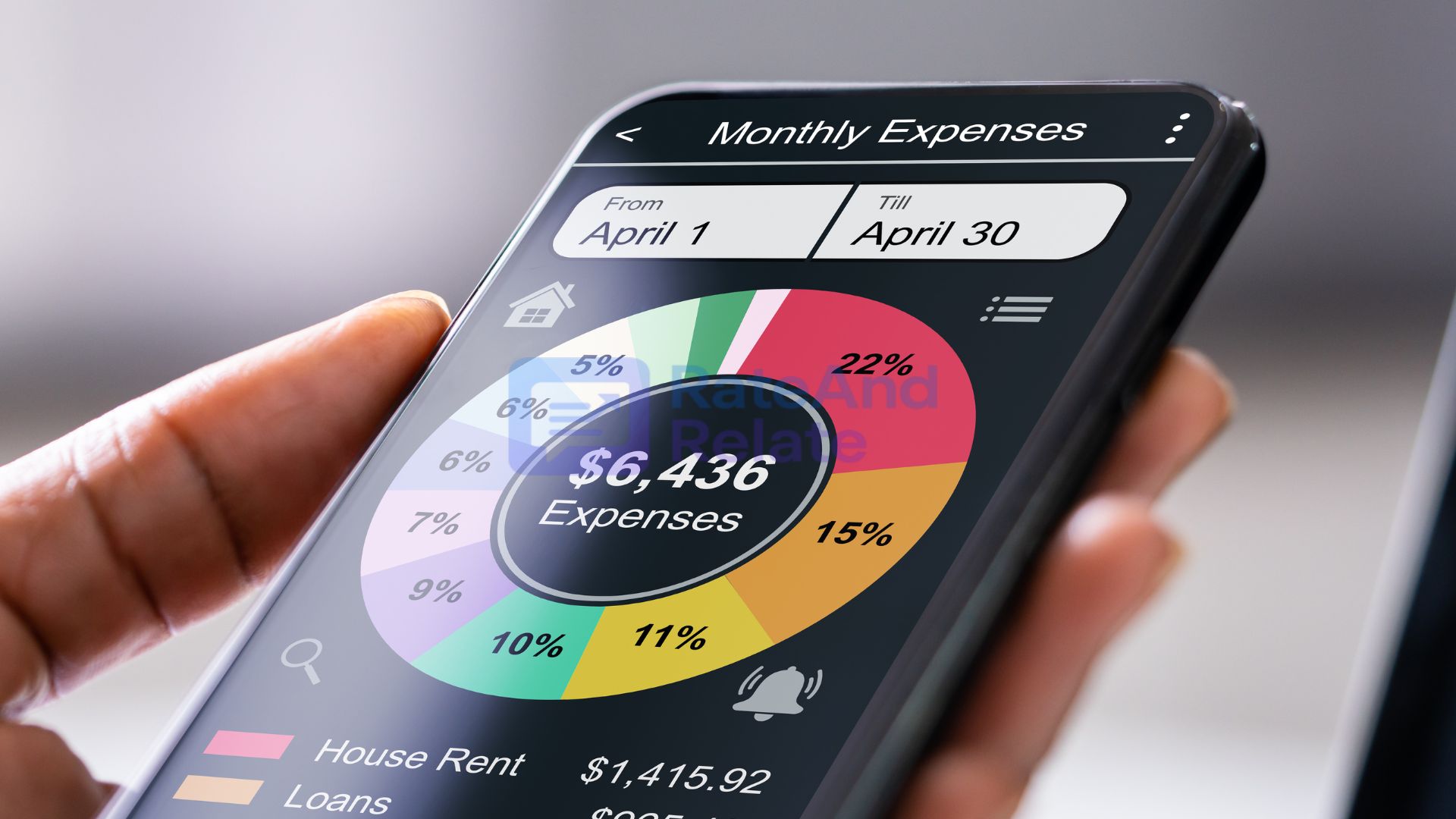

I opened my investment app yesterday to deposit ₹5,000. When the transaction went through, confetti exploded on my screen. The phone vibrated. A little badge popped up saying “Savvy Saver!” I felt a rush of dopamine. I felt good.
Then I paused and realized: My bank is treating me like a toddler. This is called Gamification, and it is the secret sauce behind every modern financial app. It is a double-edged sword. It can trick you into saving a fortune, or it can trick you into gambling it all away.
Here is my analysis of how these apps are hacking your psychology to manage your money.
1. Making “Boring” Feel Like “Winning”
Let’s be honest: Saving money is boring. It requires sacrificing fun today for security tomorrow. The human brain hates that. Actually, our brains are wired for instant gratification.
- The Trick: Financial apps use “Progress Bars” and “Streaks” (like Snapchat) to hack this.
- My Experience: I admit it. I have kept a savings streak going for 50 days just because I didn’t want to lose the little fire icon next to my name. It sounds silly, but it works.
2. The “Casino” Interface (The Dark Side)
This is where I get worried. However, there is a fine line between “Investing” and “Gambling.” Some trading apps make buying stocks feel like a video game. They use flashing green lights, sound effects, and “Scratch Cards.” When you make losing money feel like a game, people take stupid risks. I have seen friends treat the stock market like a casino because the app made day-trading look as easy as playing Candy Crush. If your finance app looks too much like a game, be careful. You might be the player, but you are also the one paying.
3. The Power of “Social Shame”
Why do we care about Leaderboards? In my opinion, money used to be private. Now, it’s social. Apps are introducing “Leagues” where you compete with friends to see who saves more.
- Why it works: We are competitive creatures. If I see my friend has a higher “Credit Score” or “Investment Rank” than me, I instinctively want to beat them.
- The Insight: This is peer pressure, repackaged as “Financial Health.” And surprisingly, it is highly effective at getting young people to save.
4. The Future: Financial VR?
We are just scratching the surface. Imagine putting on a VR headset and visually “building” a house with your savings bricks. It sounds futuristic, but the psychology remains the same: Make the abstract feel concrete.
Conclusion
Gamification isn’t evil. It’s a tool. If a little digital confetti motivates you to start an SIP or save for retirement, then I am all for it. Enjoy the badges and the streaks. Just remember that when the game is over, the money is real. Don’t play with what you can’t afford to lose.