
I realized something yesterday: I haven’t visited an ATM in three weeks. Between UPI, Credit Cards, and Apple Pay, physical cash feels like a relic of the past. It’s dirty, it’s inconvenient, and it’s hard to track.
However, as we sprint toward a “Cashless Society,” I’m starting to get nervous. We are trading our privacy for convenience. While digital currency is faster, it changes the fundamental question of money: Does the money in your account actually belong to you, or does it belong to the system that allows you to spend it?
Here is my analysis of the silent war between Cash and Code.
The “Freedom” of Paper
We often think of cash as just paper. Actually, cash is the only form of “Permissionless Money” left.
- When I hand a ₹500 note to a vendor, no bank has to approve it. No server has to be online. No government knows I bought that specific item.
- Cash represents anonymity. In a digital world where every click is tracked, cash is the last place where we can be truly private. Losing that feels like losing a civil right.
The Rise of “Programmable Money” (CBDCs)
Governments around the world (including India with the e-Rupee) are launching Central Bank Digital Currencies (CBDCs). They sell it as “Safe Digital Cash.” But here is the catch: Unlike crypto, which is decentralized, CBDCs are centralized. This money is “programmable.”
- Imagine a scenario where the government decides that your “Stimulus Money” expires if not spent in 30 days.
- Or imagine if your money “turns off” for certain purchases (like alcohol or travel) based on your social score. This isn’t science fiction; the technology already exists. Digital currency gives the issuer total control over how you spend.
The “Surveillance” Economy
I love UPI. It’s the best payment system in the world. However, let’s be honest about the trade-off. Every transaction builds a profile. The banks know what I eat, where I travel, and what subscriptions I pay for. We have voluntarily built a surveillance state because it saves us 10 seconds at the checkout counter.
- Cash: Privacy.
- Digital: Transparency (and Surveillance).
Why Bitcoin Isn’t the Savior (Yet)
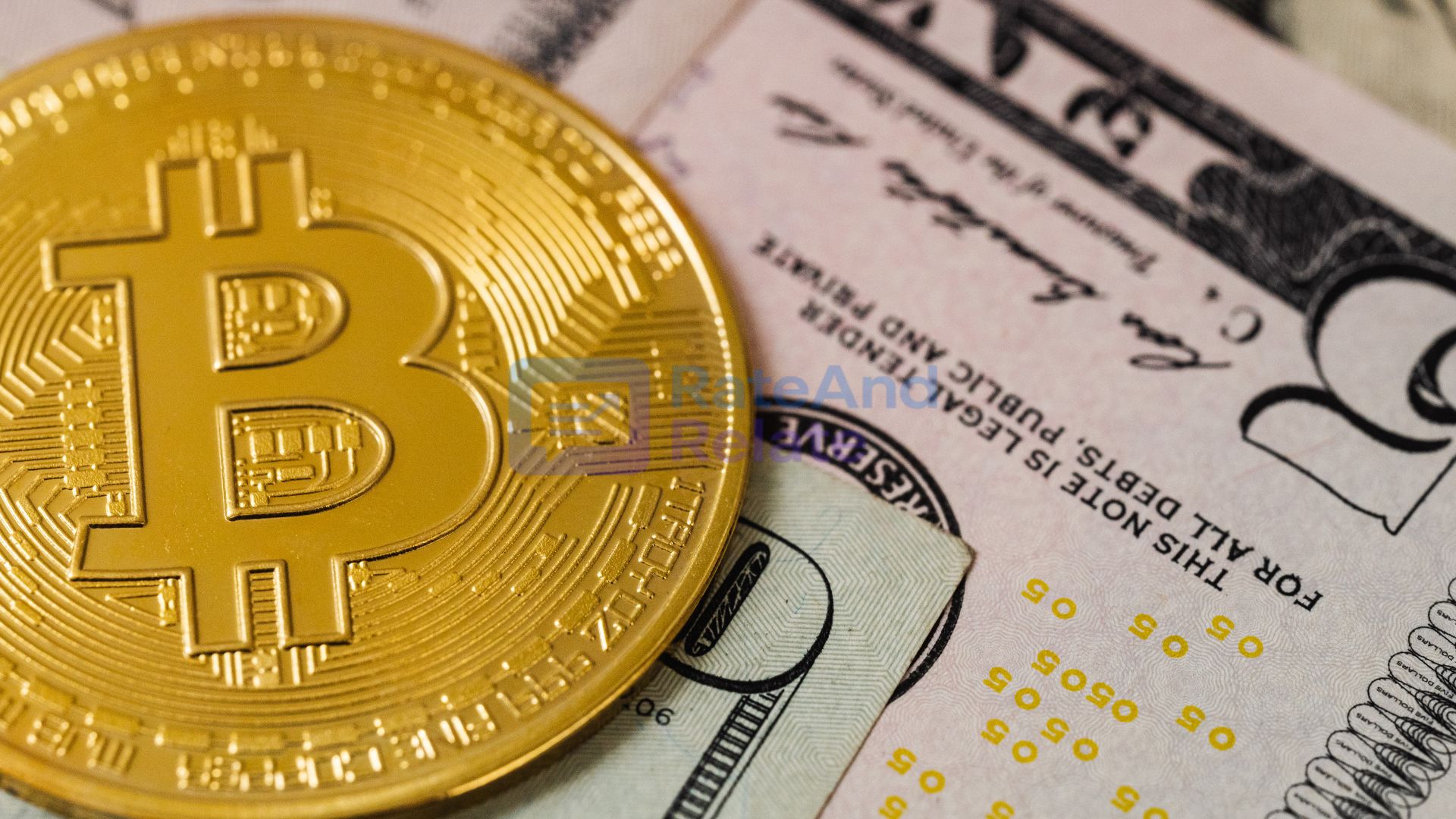
Crypto was supposed to fix this. Actually, most crypto is too slow or too volatile for buying coffee. While I believe in the idea of decentralized money, right now, it’s an asset class, not a currency. It’s not replacing the Rupee anytime soon.
Conclusion: Why We Need to Keep Cash Alive
I am not a Luddite. I will continue to scan QR codes for my morning tea. But I will also keep a stash of cash in my drawer.
My Advice: Don’t let your physical wallet go empty. Cash acts as a “Circuit Breaker.” If the servers go down, or if the grid fails, or if the algorithm flags your account by mistake, cash still works. Digital currency is the future, but cash is the insurance policy for our freedom.