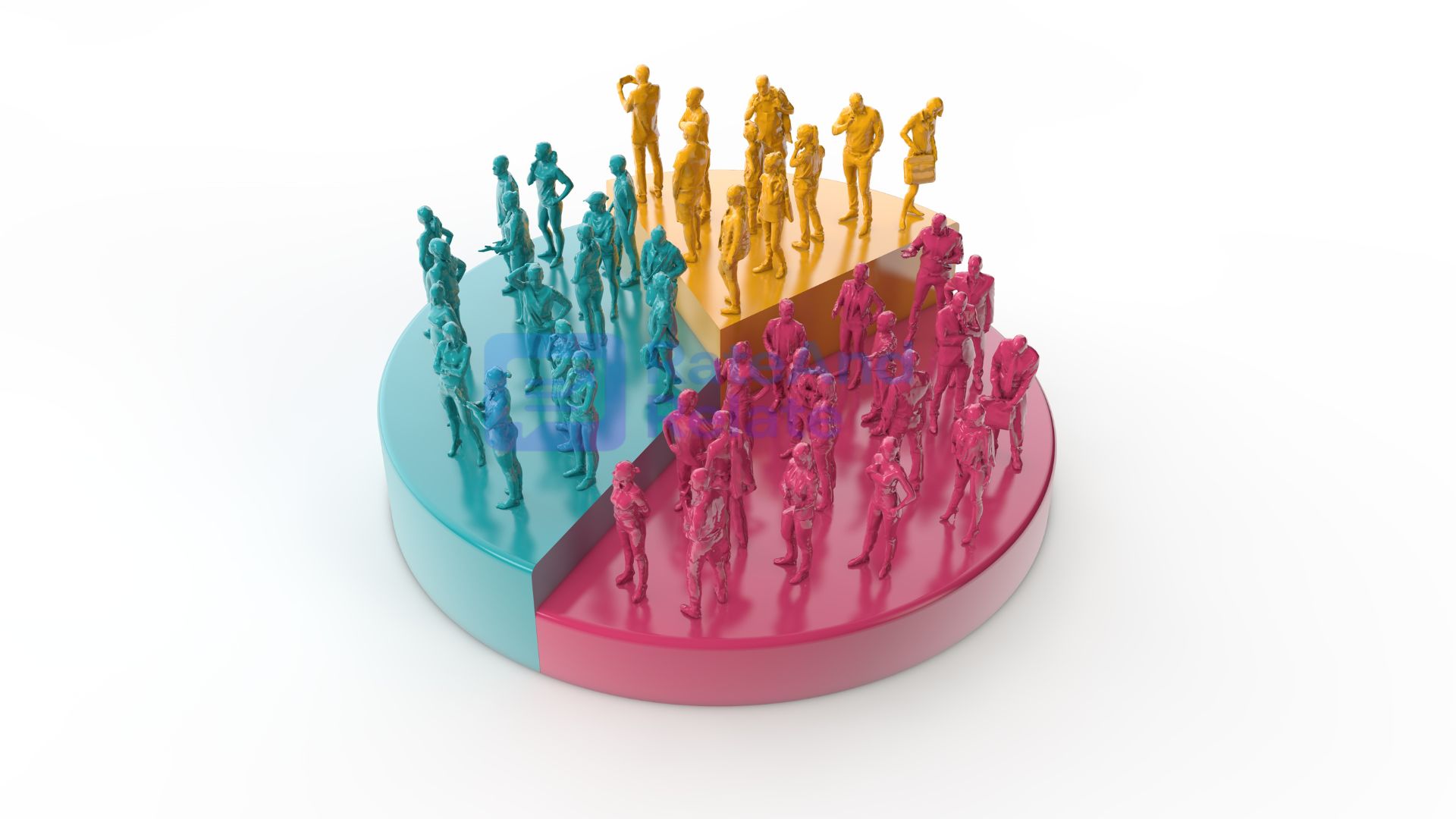

India stands at a pivotal demographic crossroads. With over 65% of its population below 35 years and a median age of just 28 years, the country boasts one of the youngest populations in the world.
This youthful demographic profile presents a unique opportunity — a demographic dividend, where a large working-age population can drive accelerated economic growth.
However, the real question remains: Can India transform this demographic advantage into productive human capital, or will it turn into a demographic burden?
Understanding the Demographic Dividend
The demographic dividend refers to the economic growth potential that arises when the working-age population (15–64 years) becomes larger than the non-working-age population (children and the elderly).
This phase offers a window of opportunity for economic transformation through:
- Higher labor participation,
- Increased savings and investments, and
- Enhanced productivity through education and innovation.
For India, this window is expected to remain open until around 2040, making the next 15 years critical for policy and structural reforms.
India’s Demographic Advantage
- Over 900 million people are of working age.
- India adds nearly 12 million new workers to its labor force each year.
- Rapid urbanization, technological growth, and digital penetration are transforming youth aspirations and skill demands.
If this workforce is effectively educated, skilled, and employed, India could add 2%–3% to its annual GDP growth for decades.
The Human Capital Challenge
While numbers look promising, the quality of the workforce remains a major concern.
1. Education System Gaps
- Despite universal enrollment at the primary level, learning outcomes remain poor.
- According to ASER (2024), many Class 5 students still struggle with basic reading and math.
- Higher education often emphasizes degrees over employable skills, leading to a mismatch between education and industry demand.
2. Skill Development Deficit
- India’s formal skill training coverage is below 5% of the workforce, compared to over 60% in China and 80% in South Korea.
- The Skill India Mission and PM Kaushal Vikas Yojana (PMKVY) have made progress, but training often lacks alignment with evolving market needs such as AI, data analytics, logistics, and green jobs.
3. Employment and Job Quality
- India faces jobless growth, where GDP expands but employment does not rise proportionately.
- Informal and low-productivity jobs dominate, with over 80% of employment still in the unorganized sector.
- Women’s labor-force participation remains low (~25%), limiting inclusive growth.
Turning Demographic Potential into Economic Power
1. Reforming Education and Vocational Systems
- Shift from rote learning to competency-based education and STEM focus.
- Strengthen vocational training, apprenticeships, and industry partnerships.
- Promote digital literacy and lifelong learning to keep pace with automation and AI-driven jobs.
2. Encouraging Entrepreneurship
- Foster a culture of startups, micro-enterprises, and innovation hubs, especially in Tier-2 and Tier-3 cities.
- Simplify regulatory and credit systems for youth-led ventures through Startup India and Mudra Yojana.
3. Focusing on Gender and Regional Inclusion
- Expand education and employment opportunities for women, especially in rural areas.
- Bridge regional disparities by investing in skill hubs, infrastructure, and digital access in lagging states.
4. Leveraging Technology and Digital Platforms
- Use AI, data analytics, and online learning platforms to deliver scalable, personalized training.
- Expand initiatives like Digital India to link youth with jobs in e-commerce, fintech, and remote work sectors.
5. Strengthening Labour Market Institutions
- Enhance job matching, wage transparency, and formalization of work.
- Encourage industries to invest in on-the-job training and continuous upskilling.
India’s demographic dividend offers immense promise but limited time. Without quality education, employable skills, and inclusive job creation, the dividend could become a demographic liability, fueling unemployment and social unrest.
The challenge, therefore, is not merely demographic — it’s developmental.
By transforming its young population into skilled, innovative, and empowered citizens, India can redefine its economic trajectory and emerge as a human-capital superpower in the 21st century.