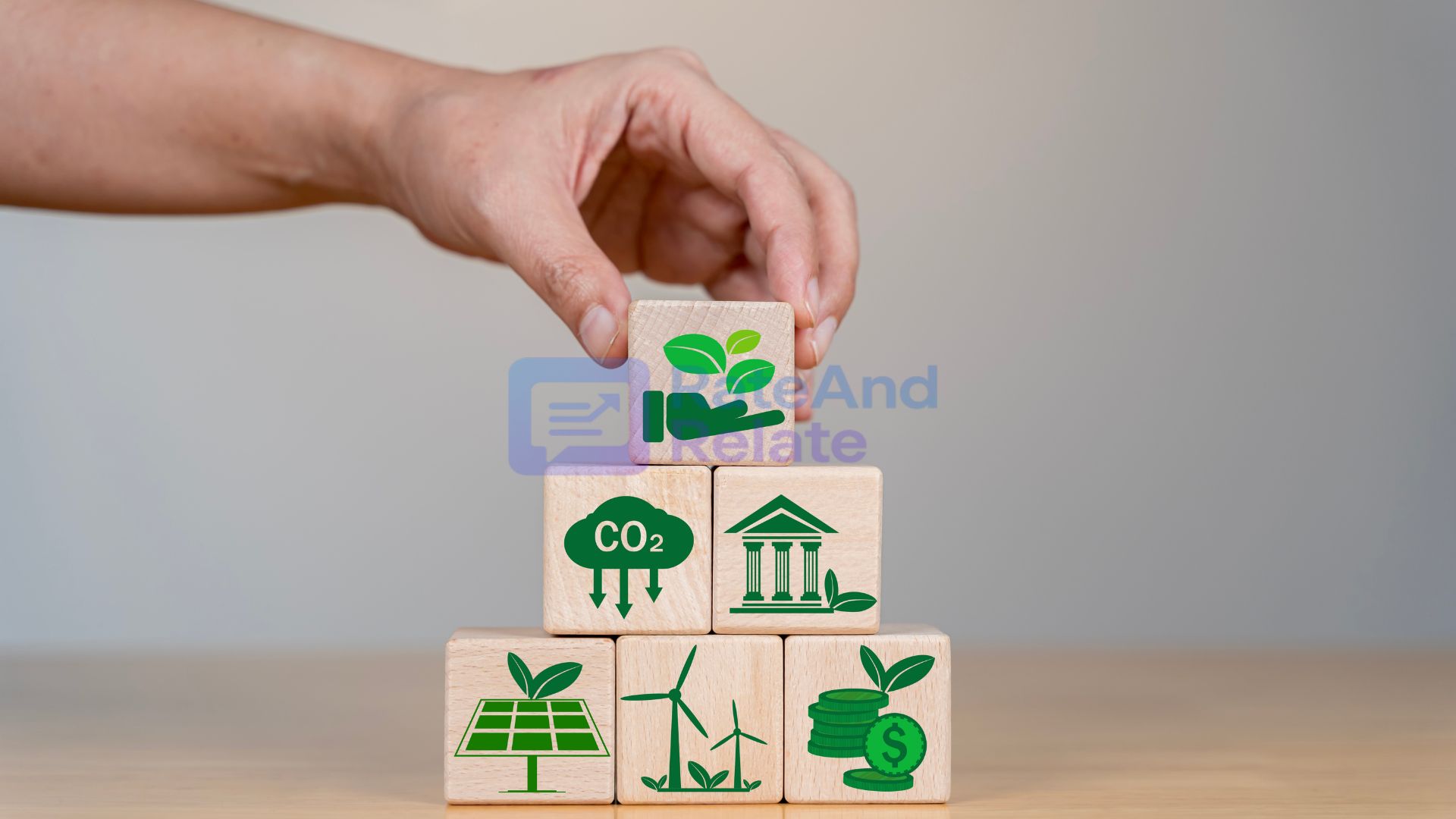

As climate change intensifies, governments and businesses are under growing pressure to cut greenhouse gas emissions without stalling economic growth. In my opinion, this balancing act—protecting the planet while sustaining economies—is one of the defining challenges of our time. In this search for workable solutions, carbon markets have emerged as one of the most influential—and debated—tools in climate finance.
Once seen as a niche policy experiment, carbon markets are now shaping investment decisions, corporate strategies, and international climate cooperation. I believe their rapid evolution reflects how urgently the world is looking for scalable financial solutions to climate risk.
What Are Carbon Markets?
Carbon markets are systems that put a price on carbon emissions. They allow companies or countries that reduce emissions below a certain limit to sell excess allowances or credits to others that exceed their targets. The core idea is simple: make pollution financially costly and reward cleaner behavior.
Actually, what makes carbon markets powerful is not just the pricing mechanism—it’s the incentive structure behind it. When pollution carries a cost, business decisions begin to shift.
There are two main types of carbon markets:
Compliance markets are created by governments through regulations that cap total emissions and allocate or auction emission permits.
Voluntary carbon markets allow companies and individuals to buy carbon credits to offset their emissions, often as part of sustainability commitments.
In my view, understanding this distinction is essential because each market operates under different motivations and accountability standards.
Why Carbon Markets Matter in Climate Finance
Climate action requires massive financial investment—far beyond what public funds alone can provide. However, private capital will not flow at scale without clear economic signals. This is where carbon markets become critical.
By assigning a monetary value to carbon, these markets influence investment flows. Renewable energy projects, energy efficiency upgrades, and nature-based solutions become more attractive when carbon reductions generate revenue.
I believe this financial signal is what turns climate ambition into investable opportunity. For developing economies, carbon markets can unlock funding for projects that would otherwise struggle to attract investors.
How Carbon Markets Are Evolving
Carbon markets today look very different from their early versions. Prices are rising in many compliance systems, signaling stronger policy commitments. More countries are exploring national or regional carbon trading systems, and discussions around linking markets across borders are gaining momentum.
Voluntary markets are also expanding, largely driven by corporate net-zero pledges. Companies are increasingly using carbon credits to address emissions that are hard to eliminate, such as those in aviation, shipping, and heavy industry.
However, I think growth alone is not enough. There is now a strong push for higher-quality credits, better verification standards, and greater transparency. Actually, credibility may determine whether voluntary markets sustain long-term trust.
Opportunities and Economic Impact
Well-designed carbon markets can reduce emissions at the lowest possible cost. They give businesses flexibility to choose how and where to cut emissions, encouraging innovation rather than rigid compliance.
Beyond emissions reduction, carbon markets create economic opportunities. They support green jobs, attract climate-focused investment, and promote technology transfer.
In my opinion, one of the most promising aspects is their potential role in emerging economies. Participation in carbon markets can provide additional revenue streams while supporting sustainable development goals. However, this depends heavily on fair rules and transparent governance.
Challenges and Criticism
Despite their potential, carbon markets face significant criticism. Concerns include uneven pricing, regulatory loopholes, and the risk of companies using carbon credits as a substitute for genuine emission reductions.
In voluntary markets, questions around the credibility and permanence of certain offsets have weakened trust. I believe this is where stronger oversight becomes essential.
There is also the challenge of equity. Poorer countries and communities must not be reduced to mere credit suppliers without fair compensation or long-term benefits. In my view, strong governance, transparent rules, and robust monitoring are necessary to ensure that carbon markets deliver real climate outcomes—not just accounting gains.
The Road Ahead
The future of carbon markets depends on credibility and integration. As climate targets become more ambitious, carbon pricing is likely to expand into more sectors and regions. Greater coordination between national systems could improve efficiency and stability.
Actually, global standards may be the key to restoring and maintaining confidence, particularly in voluntary markets.
Carbon markets are not a silver bullet for climate change. However, I believe they are becoming a central pillar of climate finance. When combined with regulation, innovation, and public investment, they have the potential to drive meaningful emissions reductions at scale.
Conclusion
Carbon markets represent a shift in how the world finances climate action. By turning emissions into a financial signal, they align economic incentives with environmental goals.
In my opinion, their long-term success will depend not on their size, but on their integrity. If designed and governed well, carbon markets could play a crucial role in accelerating the global transition to a low-carbon economy.