
In today’s fast-evolving creative landscape, the fusion of art and technology is giving rise to new forms of storytelling — and one of the most captivating innovations leading this change is digital projection mapping. From theatre stages and music concerts to dance performances and cultural festivals, projection mapping is turning ordinary spaces into immersive, multi-sensory worlds.
What is Digital Projection Mapping?
Digital projection mapping is the art of using projectors to cast visuals onto irregular surfaces — such as buildings, sets, or even performers — to create an illusion of motion, transformation, and depth. Unlike flat-screen projection, this technology aligns visuals precisely with the physical structure, making it appear as though walls breathe, objects move, and the stage itself comes alive.
By combining animation, lighting, and sound, projection mapping transforms a static environment into a living canvas. It bridges the gap between digital design and live performance, giving audiences an experience that feels both real and magical.
The Rise of Immersive Performance Art
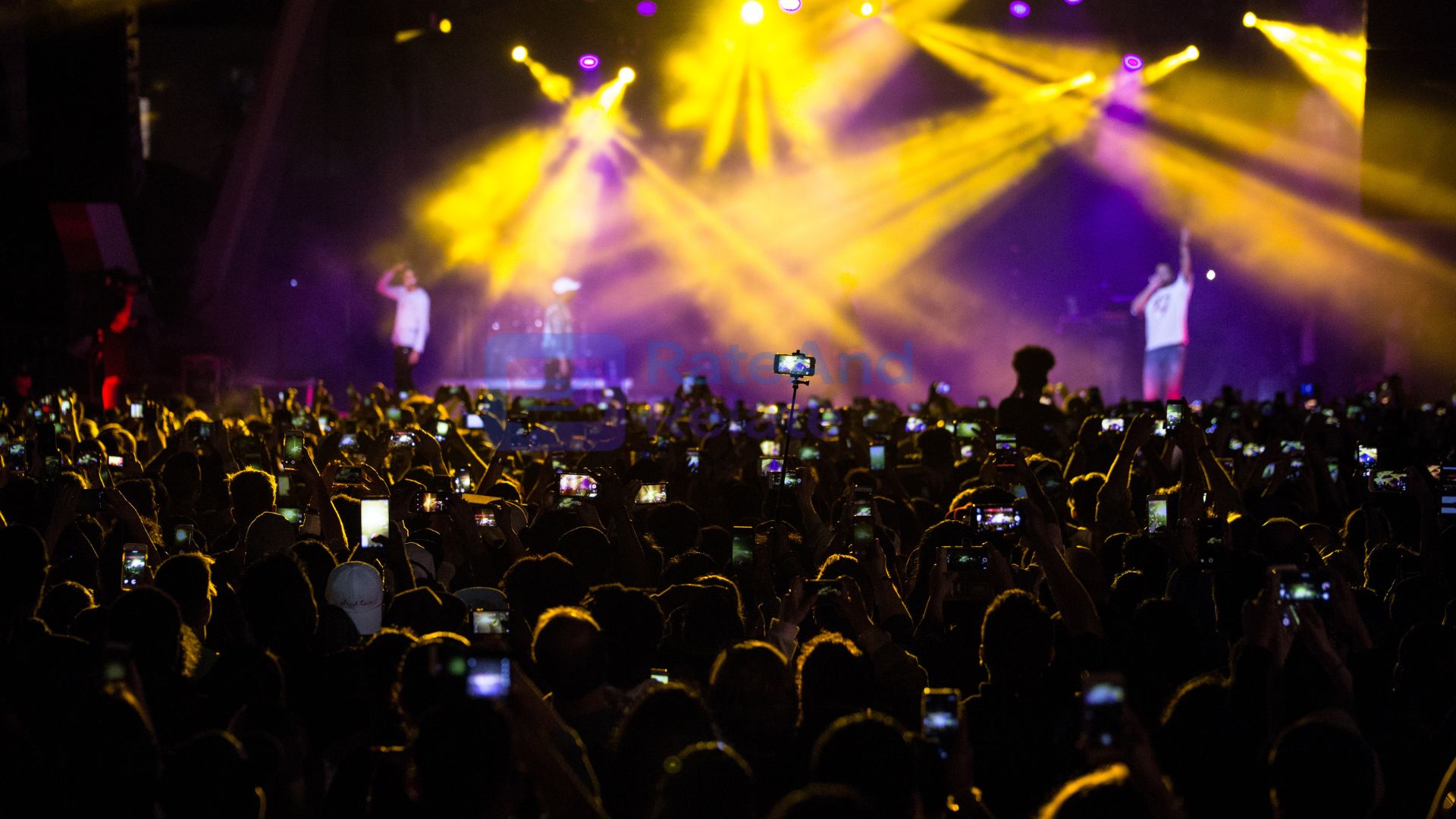
In the last few years, projection mapping has become a key component of concerts, theatre, opera, and dance shows. Artists and production houses use it to heighten emotional impact and build stunning visual narratives that complement live performances.
For instance, in contemporary dance, projection mapping responds dynamically to movement — dancers interact with swirling visuals, geometric shapes, or bursts of light that move in sync with choreography. In theatre, it allows directors to shift settings instantly — from a city skyline to a deep ocean — without changing physical sets.
Global pop stars like Beyoncé, BTS, and Coldplay have also embraced projection mapping for their world tours, creating performances that merge human energy with high-tech artistry. Similarly, Indian shows such as Republic Day celebrations, cultural festivals, and stage musicals increasingly use mapping to enhance storytelling and national pride.
The Technology Behind the Magic
Behind the breathtaking visuals lies a meticulous process of 3D modeling, calibration, and creative coding. Designers first scan the performance space to map its geometry, then develop animated visuals that align perfectly with every contour.
High-lumen projectors, motion sensors, and synchronised lighting systems bring the visuals to life. Some productions even integrate AI and motion tracking, allowing projections to respond in real time to performers’ gestures — turning live movement into an interactive digital symphony.
The Global and Indian Scene
Projection mapping has gained traction worldwide, from Disney theme parks and Broadway shows to art installations and corporate events. In India, cities like Mumbai, Delhi, and Bengaluru are emerging as creative hubs for projection-based storytelling.
Events such as the Kumbh Mela, Durga Puja, and India Gate light shows have used projection mapping to blend cultural heritage with cutting-edge technology — proving that innovation can also honor tradition.
Educational institutions and independent artists are also experimenting with it in performing arts education, encouraging students to explore how digital tools can deepen artistic expression.
Why It Matters
Digital projection mapping redefines how audiences experience live art. It makes performances immersive, accessible, and unforgettable — appealing to both traditional art lovers and digital-native generations.
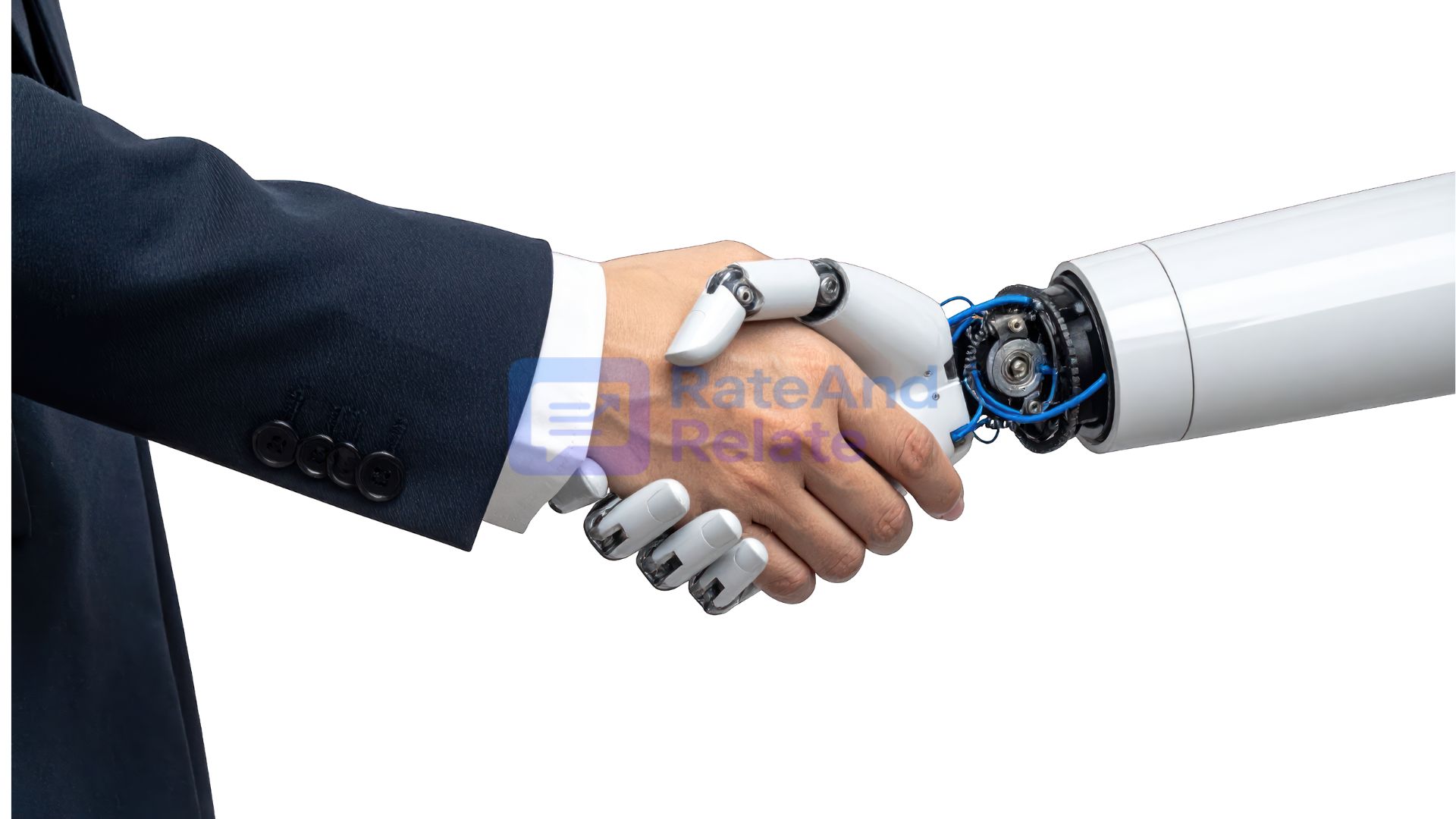
It also underscores an important truth about modern creativity: technology does not replace art; it amplifies it. Projection mapping doesn’t steal attention from the performer — it expands the stage, transforming imagination into tangible, visual reality.
The Future of Live Performances
As technology becomes more affordable and adaptable, projection mapping will continue to evolve. We can expect to see AR-enhanced theatre, AI-generated stage visuals, and real-time audience interaction, where every performance feels unique.
The stage of the future won’t just be lit — it will breathe, move, and respond.
In essence, digital projection mapping represents the next chapter of live storytelling — where light, sound, and human emotion merge to create an unforgettable experience. It reminds us that art’s power lies not in resisting change, but in embracing innovation to make magic real.