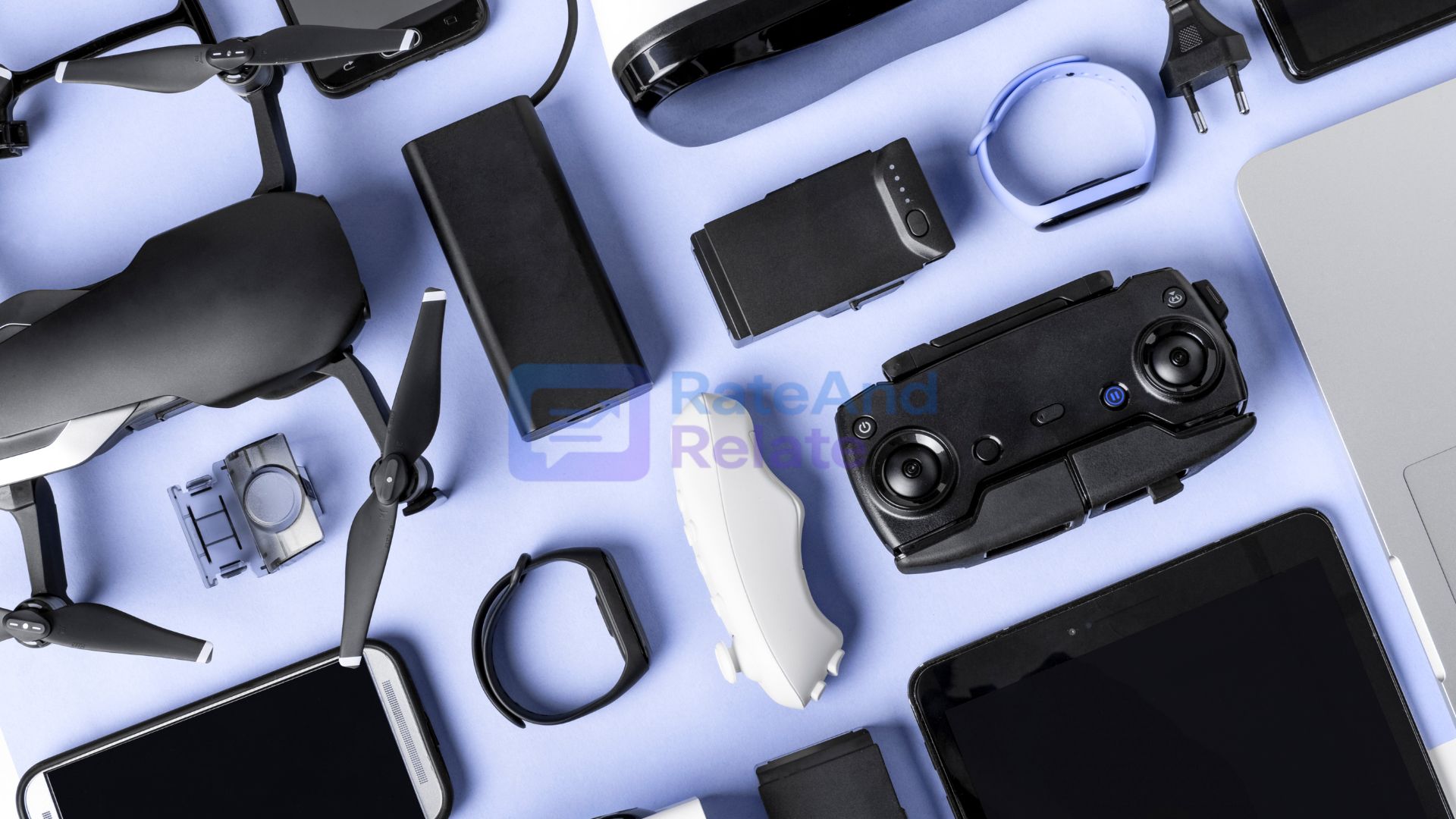

For nearly a decade, the consumer electronics playbook followed a monotonous, predictable loop: shave half a millimeter off the chassis, increase CPU clock speeds by 10%, add a lens to the camera bump, and hike the retail price. In my opinion, the classic black glass smartphone slab has officially hit an impenetrable wall of diminishing returns.
Actually, modern smartphones have become so overpowered that an ordinary user cannot tell the difference between this year’s flagship processor and the one from two years ago. However, tech titans are not running out of innovation—they are fundamentally abandoning the idea that technology must remain trapped inside a rigid, rectangular pocket device.
When I look at what companies are engineering right now, the focus has pivoted decisively toward ambient computing: flexible displays, conversational audio interfaces, and AI-infused home infrastructure that blends into the background of daily life.
Escaping the Glass Slab: The Foldable Form-Factor Rebirth
The traditional candy-bar smartphone has simply run out of room to grow. It already handles high-resolution streaming, desktop-grade gaming, biometric authentication, and instant mobile payments.
In my opinion, building foldables isn’t a frivolous gimmick; actually, it is the only logical engineering answer to a fundamental consumer dilemma: how to deliver an 8-inch tablet workspace that still slips into a jeans pocket.
- Samsung’s Groundwork: Samsung spent years absorbing broken hinges, fragile screen complaints, and software scaling headaches. That persistence turned foldables from fragile prototypes into durable everyday workhorses.
- Apple’s Calculated Arrival: With Apple entering the arena alongside the iPhone 18 generation and its rumored foldable Duo, the category is shifting from an enthusiast experiment to mainstream enterprise legitimacy.
However, expanding screen real estate is only half the battle. Hardware form factors matter only if the software and intelligence layer justify the extra mechanical complexity.
Wearables and Audio: The Rise of Screenless AI Interfaces
For years, using artificial intelligence meant an intentional, friction-heavy workflow: open an application, type out a prompt, wait for a wall of text, and copy-paste the output.
Actually, the real AI breakthrough is moving away from screens altogether:
- Acoustic Intelligence: Wireless earbuds, exemplified by the latest Apple AirPods lineup, are transforming from passive music drivers into proactive personal copilots that offer real-time translation, notification triage, and conversational assistance straight into your ear canal.
- Biometric Diagnostics: Smartwatches are evolving beyond step-counters into medical-grade diagnostic hubs capable of identifying irregular vitals and sleep disturbances before symptoms physically manifest.
In my opinion, an intelligent earbud sitting unobtrusively in your ear all day will prove far more valuable to personal productivity than any generative chatbot operating inside a desktop browser tab.
When Your Refrigerator Joins the AI Arms Race
The most unexpected arena of this hardware shift is occurring in the kitchen and utility closet.
Samsung’s rollout of its Bespoke AI appliance lineup in India—connecting refrigerators, washing machines, and air conditioners through the SmartThings platform—demonstrates how wide the definition of personal technology has stretched.
However, consumers are asking a completely justified question: Does my refrigerator actually need an AI processor?
When I test and evaluate these connected home ecosystems, the reality is nuanced:
- The Gimmick: An appliance attempting to engage in conversational banter or suggest recipes based on expired milk feels forced and unnecessary.
- The Real Value: Automated energy load balancing, predictive compressor maintenance alerts, and seamless temperature regulation based on regional weather shifts deliver genuine, measurable utility.
The Rate & Relate Verdict: Grading the Next Wave of Tech Hardware
Evaluating whether these emerging categories justify your hard-earned capital requires looking past the marketing hype:
- Foldable Smartphones (Rating: 4/5): A genuine productivity multiplier for power users and mobile professionals who need multi-window multitasking without carrying a secondary tablet. However, the steep price tags and higher long-term repair costs remain real hurdles for mainstream buyers.
- AI-Enhanced Audio Wearables (Rating: 4.8/5): In my opinion, this is the single best execution of ambient technology on the market today. Delivering instant audio translation and hands-free contextual summaries directly through your earbuds removes screen friction entirely.
- Connected Smart Home Appliances (Rating: 2.8/5): Automated energy management is genuinely useful, actually, but forcing software updates and network dependencies onto household machines designed to last a decade introduces unnecessary operational friction.
The Friction Point: Subscription Creep and Skyrocketing Costs
All of this engineering ingenuity sounds impressive until you look at the checkout receipt.
Between ₹2 lakh to ₹3 lakh foldable flagships, premium smart earbuds, and connected appliances, building a cohesive modern technology ecosystem requires serious capital. In my opinion, hardware companies are testing consumer price tolerance to its absolute breaking point.
Actually, the hidden trap isn’t just the initial retail price—it is the ecosystem lock-in. Once your earbuds, watch, phone, laptop, and living room displays are coordinated by a single brand’s operating system, walking away to a competitor becomes almost impossible.
Final Thoughts
The consumer tech sector hasn’t hit a wall—it is simply outgrowing the single rectangular screen that dominated our attention for nearly two decades.
In my opinion, assuming that the next decade of personal technology will look like the last ten years is a mistake. However, as brands fold our phones, embed intelligence into our audio gear, and turn our living spaces into connected platforms, the ultimate test won’t be how clever an algorithm looks in a keynote demonstration. Actually, the winners of this new era will be the brands that make technology disappear into the background of our lives, making daily routines smoother without demanding constant screen time!