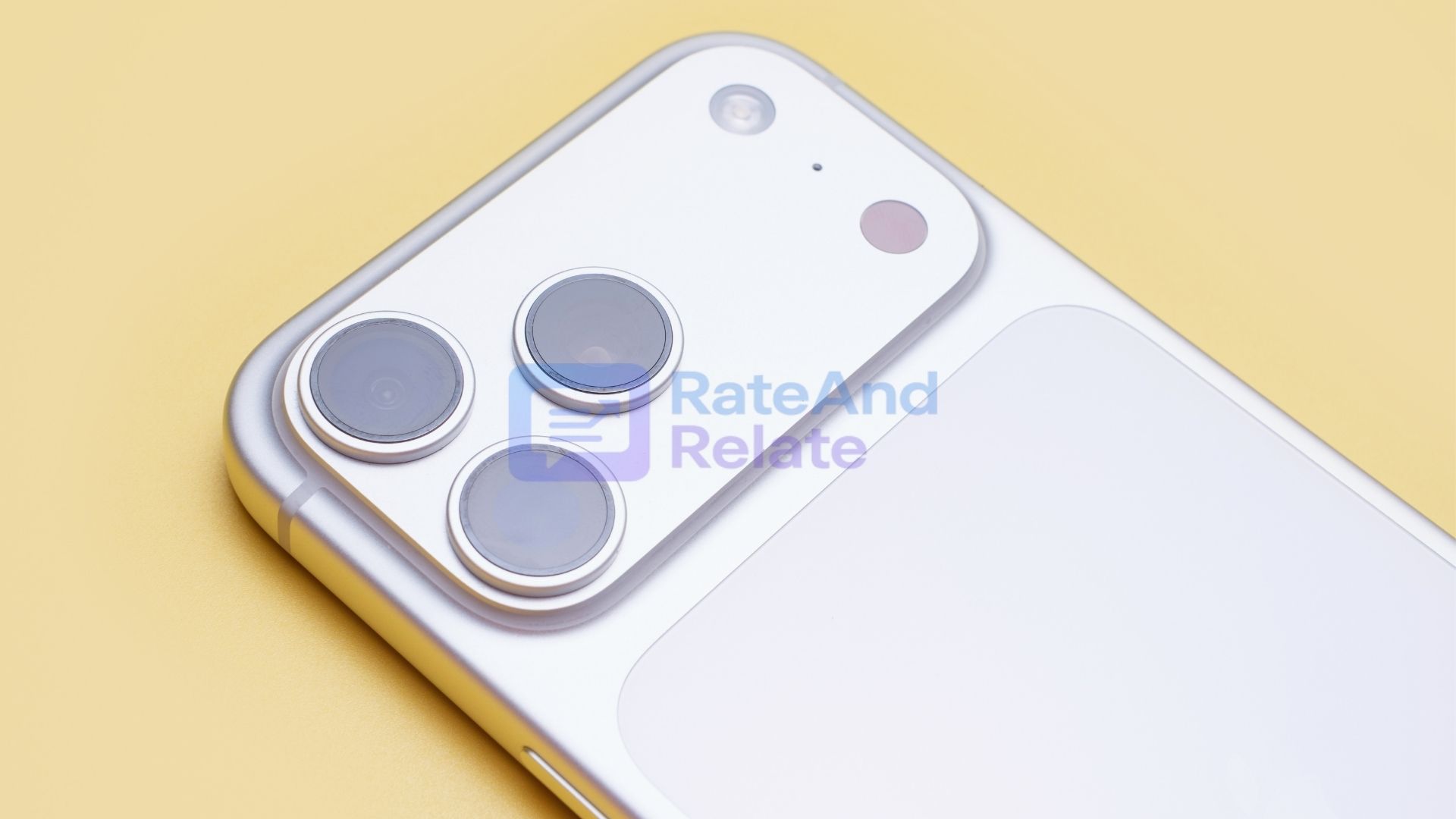

Apple is once again preparing to anchor the global technology calendar with its special event . While autumn Apple keynotes are an annual ritual, in my opinion, treating the iPhone 18 launch as just another iterative hardware refresh is a major mistake.
Actually, this launch marks a historic pivot for the world’s most valuable consumer brand. Between incoming CEO John Ternus presiding over his first flagship unveiling, the anticipated debut of Apple’s first foldable device, and the system-wide deployment of next-generation Apple Intelligence on iOS 27, the stakes have never been higher. However, the real challenge facing Cupertino isn’t just engineering exotic hinges or packing more silicon into a chassis—it is proving that mobile AI can deliver genuine, indispensable daily utility.
When I look at the broader smartphone landscape, consumers are exhausted by incremental camera upgrades and fractional benchmark gains. The iPhone 18 generation must redefine what owning a smartphone feels like.
The John Ternus Era: A New Leadership Test
The Apple keynote carries massive symbolic weight. Following Tim Cook’s tenure, incoming CEO John Ternus officially steps into the spotlight to define the company’s next hardware philosophy.
Apple enters this transition from a position of commercial strength. Despite broader contraction across Asian consumer markets, iPhone shipments in China expanded 23% in the opening months of 2026. However, maintaining that momentum requires bold hardware leadership. In my opinion, Ternus’s deep engineering pedigree makes him uniquely suited to navigate Apple’s most complex hardware transformation in a decade.
The Foldable iPhone: Late to the Market or Setting the Standard?
The headline story of the 2026 launch is Apple’s anticipated entry into the foldable form factor. The rumored device is being positioned at the ultra-premium tier, unfolding into a large display approaching the canvas of an iPad mini.
Actually, Samsung, Honor, and Google have spent years iterating through foldable generations. Apple has deliberately sat back, allowing rivals to absorb early manufacturing failures and consumer hesitation. In my opinion, Apple doesn’t need to be first to define a category—it simply needs to make the form factor feel polished, durable, and essential. However, engineering rumors highlighting display crease tolerances, hinge longevity, and internal battery packaging prove that building a foldable up to Apple’s exacting standards has pushed manufacturing tolerances to their absolute limits.
Apple Intelligence & iOS 27: The True Competitive Moat
Hardware may dominate social media feeds, however, the real battleground is on-device artificial intelligence.
With iOS 27, Apple is moving far beyond basic chatbots. The goal is ambient, system-wide intelligence that coordinates multi-step workflows without user prompting:
- Proactive Siri Orchestration: Seamlessly extracting context across Mail, Messages, Calendar, and Photos to anticipate daily tasks.
- On-Device Neural Processing: Executing complex multimodal reasoning on local silicon to guarantee user privacy.
- Cross-Device Continuity: Synchronizing AI context effortlessly across Mac, iPad, Apple Watch, and Vision Pro.
Actually, when I analyze why Apple remains so difficult for competitors to displace, it is this proprietary integration. An Android phone may boast impressive camera sensors, but Apple’s ability to weave personal intelligence across an entire hardware ecosystem creates an unmatched user experience.
iPhone 18 Series: Expected Lineup & Strategic Roles
| Model Tier | Form Factor & Display | Core Technological Focus | Strategic Market Role |
| iPhone 18 | 6.1-inch OLED (120Hz ProMotion) | Next-Gen A-Series Silicon & Apple Intelligence | High-volume baseline upgrade for mainstream buyers |
| iPhone 18 Plus / Air | 6.6-inch Ultra-Slim Profile | Thermal Efficiency & Form-Factor Redesign | Premium design showcase for style-focused users |
| iPhone 18 Pro / Pro Max | 6.3 / 6.9-inch LTPO Super Retina | Periscope Zoom, Titanium Frame, & Pro Workflows | The definitive creator and power-user powerhouse |
| iPhone 18 Fold (Rumored) | 8.0-inch Foldable Inner Canvas | Custom Zero-Crease Hinge & Dual-Screen iOS | Ultra-luxury halo product targeting tablet convergence |
Global Supply Chain Realities & India’s Expanding Footprint
The launch takes place against a backdrop of tight global semiconductor margins and rising high-density memory costs. In my opinion, supply chain execution is where Apple will either win or lose its profit margins in 2026.
India has emerged as an indispensable pillar of Apple’s diversified manufacturing grid, producing a significant share of global iPhone units. However, rapid scaling comes with severe operational challenges. The recent cybersecurity probe involving proprietary manufacturing blueprints at Tata Electronics demonstrated just how fiercely guarded Apple’s unreleased product IP remains. Actually, balancing rapid geographic diversification with leak-tight security is now one of Apple’s most demanding operational mandates.
Final Thoughts
The smartphone market has reached an inflection point where conventional annual spec bumps no longer ignite consumer excitement.
In my opinion, assuming that a slightly faster processor alone will convince users to upgrade is wishful thinking. However, when you combine a revolutionary foldable form factor with context-aware personal intelligence and rock-solid ecosystem integration, the smartphone evolves into something entirely new. Actually, the September 9 keynote won’t just showcase new hardware—it will determine whether Apple can once again define the next decade of personal computing!