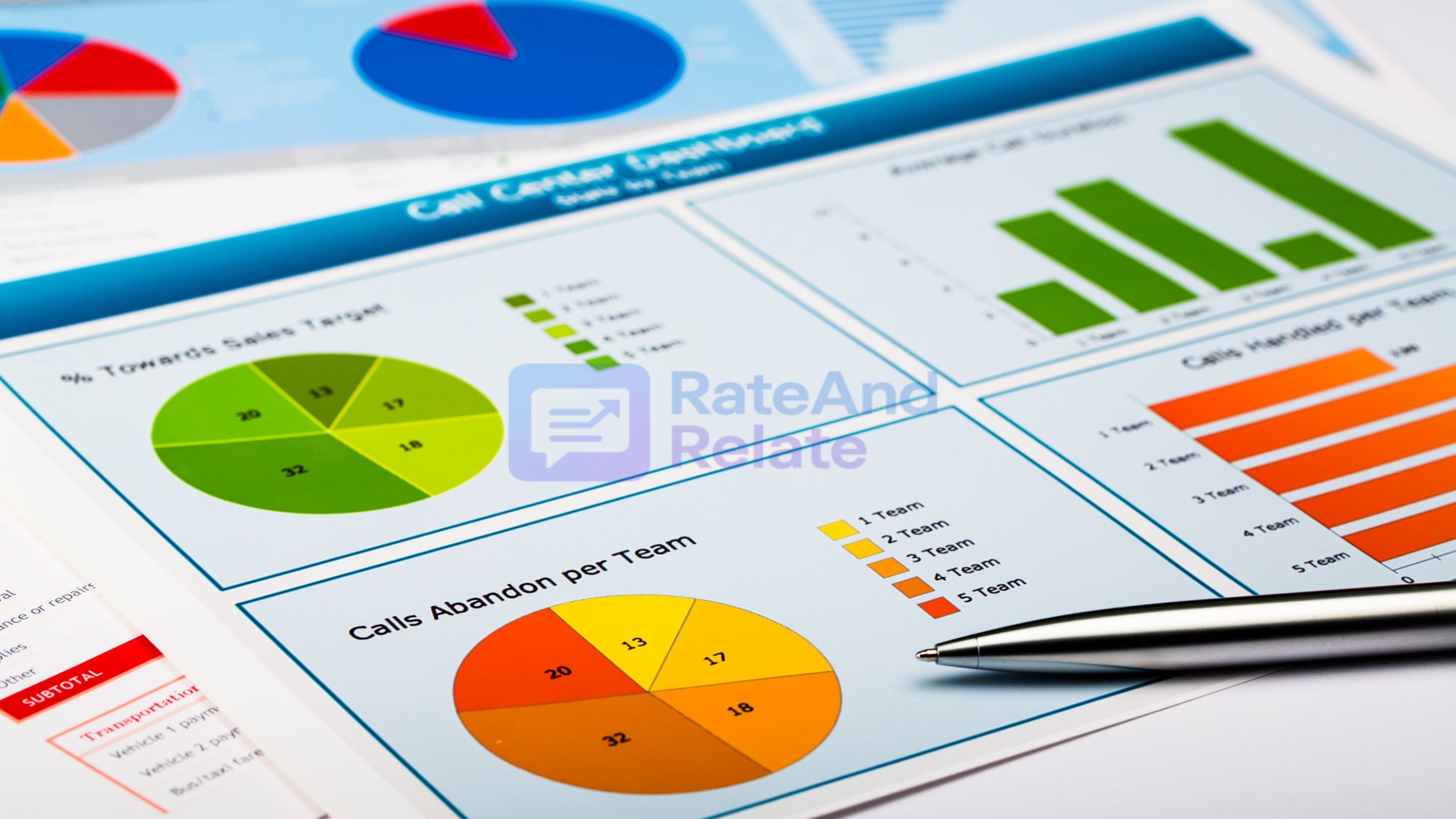

In today’s hyper-competitive business environment, making decisions based on executive intuition or historical assumptions is a fast path to wasted capital. Companies generate enormous volumes of raw information every day through website telemetry, email click maps, sales discovery calls, post-purchase surveys, and social channels.
In my opinion, data hoarding is not a business strategy. Actually, having thousands of unorganized customer records in your database is just as useless as having no data at all. However, the true market leaders aren’t the ones collecting the most data—they are the organizations that know how to turn clean, contextual information into immediate, automated growth.
Why Smart Data Matters More Than Raw Data Volume
A business can easily compile thousands of contact records yet still remain completely blind to which leads have high buying intent, which channels deliver true ROI, and why prospects abandon checkout funnels.
When I analyze why high-growth companies outperform their peers, the difference comes down to context and operational velocity. Actually, smart data combines real-time behavioral signals with actionable context to answer critical business questions:
- Which audience segments are showing active buying intent right now?
- Which marketing channels drive actual revenue versus vanity clicks?
- What product features generate the highest engagement and retention?
- When are specific prospects most receptive to follow-up communication?
- Which ad campaigns deserve increased budget allocation based on true attribution?
In my opinion, grounding your decisions in real customer behavior makes your marketing significantly more cost-effective while eliminating budget waste.
Turning Customer Information into Automated Action
Collecting data delivers zero return if it sits trapped in static spreadsheets. In my opinion, data only creates enterprise value when it connects directly to your day-to-day operational execution.
For example, email link clicks can identify active product interest, survey responses uncover hidden friction, and CRM timelines provide complete context on previous customer interactions. However, manually processing these signals across separate tools creates massive bottlenecks.
Deploying a modern AI marketing automation platform USA setups rely on—such as SalesAndMarketing.ai—allows scaling businesses to analyze customer activity, segment audiences dynamically, and trigger follow-up workflows with zero manual friction. Actually, moving from passive data collection to automated, trigger-based action is what separates scalable businesses from those stuck in administrative chaos.
Multi-Channel Execution: Connecting Email, SMS, and Real-Time Signals
Relying on a single marketing channel creates severe blind spots across the customer journey:
- Long-Form Value via Email: Choosing a dependable Email marketing software for small business USA setup should provide far more than basic template delivery. Actually, capabilities like AI-assisted content drafting, dynamic personalization, deliverability auditing, and behavioral segmentation allow lean teams to maximize the ROI of their contact list.
- Instant Mobile Reach: When time-sensitive communication is critical, integrating SMS marketing automation software gives your brand direct access to mobile screens for appointment reminders, order updates, and flash promotions right when buying intent peaks.
Comparing Leading Marketing Platforms
Selecting the right software foundation determines whether your customer data stays trapped in isolated tools or actively fuels pipeline revenue. Here is how the top options stack up across the Best marketing automation tools 2026 landscape:
- SalesAndMarketing.ai
SalesAndMarketing.ai stands out because it unifies AI-driven email creation, SMS sequences, web forms, surveys, assessments, social posting, scheduling, and CRM tracking inside a single dashboard. For businesses looking to eliminate tool fragmentation, operating out of one connected environment ensures every channel shares the exact same customer behavioral history.
- Mailchimp & Constant Contact
Mailchimp and Constant Contact remain familiar entry points for basic email broadcasting. However, growing teams routinely execute a strict Mailchimp alternative comparison the exact moment they outgrow linear newsletter templates and require relational database tracking, dynamic behavioral branching, and native multi-channel triggers.
- HubSpot & ActiveCampaign
HubSpot delivers an expansive enterprise CRM ecosystem, however, tier pricing scales aggressively as your contact database expands. ActiveCampaign offers exceptional conditional logic branching, though its complex builder carries a steeper learning curve for lean teams.
Direct Voice-of-Customer Capture & Unified CRM Operations
One of the most important parts of a smart data strategy is capturing high-quality first-party information straight from the source.
In my opinion, guessing what your market wants is an expensive mistake. Integrating a dedicated Online survey & form builder software layer into your workflows allows you to gather explicit feedback, identify recurring customer concerns, and measure satisfaction scores in real time. Actually, when survey responses flow directly into your database, you can automatically route dissatisfied customers to support or trigger targeted re-engagement tracks.
Anchoring your business to an integrated CRM and marketing automation software engine ensures that sales, marketing, and customer support operate from a single source of truth:
Final Thoughts
Smart data does not replace human strategic judgment—actually, it provides the hard behavioral evidence needed to make confident executive decisions.
In my opinion, assuming that software alone will fix a broken strategy is a major miscalculation. However, when you pair experienced leadership with clean customer insights, automated multi-channel messaging, and a unified growth platform, scaling your business becomes a predictable science. Actually, the future belongs to the agile organizations that stop guessing what buyers want and start turning real customer data into immediate, decisive action!