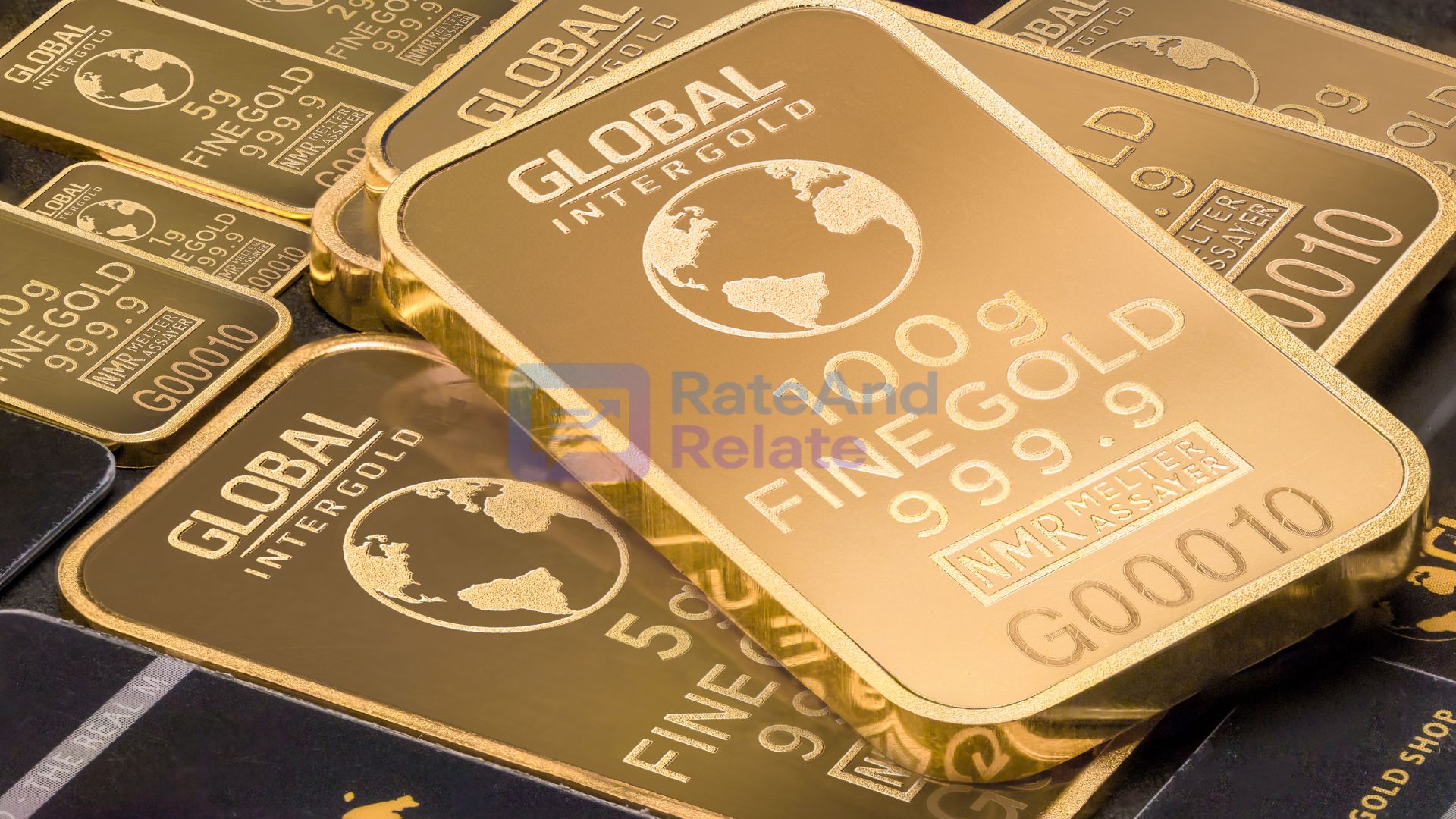

Gold has always been more than a precious metal. For central banks, it represents financial stability, economic strength, and a safeguard against global uncertainty. As geopolitical tensions, inflation, and market volatility continue to influence economies, countries are increasingly relying on their gold reserves as a strategic asset.
The latest global rankings show that the United States and several European nations continue to dominate the list of countries with the largest official gold reserves. Meanwhile, India has strengthened its position by securing the eighth spot among the world’s top gold-holding nations.
Why Gold Reserves Matter
Central banks hold gold as part of their foreign exchange reserves to diversify assets and reduce dependence on paper currencies. Gold often performs well during periods of economic instability, making it an effective hedge against inflation and currency fluctuations.
Large gold reserves also improve investor confidence and provide countries with greater financial flexibility during economic crises.
Top 10 Countries with the Largest Gold Reserves
Based on official central bank holdings, the leading countries include:
- United States
- Germany
- Italy
- France
- Russia
- China
- Switzerland
- India
- Japan
- Netherlands
The United States remains the world’s largest holder of gold by a significant margin, with reserves exceeding 8,000 tonnes. Several European countries continue to maintain substantial holdings accumulated over decades, reinforcing the continent’s strong presence in global gold ownership.
India’s Rising Position
India’s eighth-place ranking reflects the country’s steady efforts to strengthen its reserve portfolio. The Reserve Bank of India has increased gold purchases in recent years as part of a broader strategy to diversify reserve assets beyond foreign currencies.
Gold also holds unique cultural and economic significance in India. Apart from central bank holdings, Indian households are estimated to own one of the largest private stocks of gold globally, making the country one of the world’s biggest consumers of the precious metal.
The combination of official reserves and household ownership highlights India’s deep-rooted relationship with gold, both as an investment and as a store of wealth.
Europe Continues to Lead
Germany, Italy, and France collectively hold thousands of tonnes of gold, placing Europe among the most influential regions in terms of official reserves. These holdings have remained relatively stable for years, demonstrating the long-term importance European central banks place on maintaining gold as a core reserve asset.
Switzerland also features prominently despite its relatively small population, reflecting its historic role in global banking and precious metals trading.
China and Russia Expand Their Holdings
China and Russia have steadily increased their gold reserves over the past decade. Analysts view these purchases as part of broader efforts to diversify away from reliance on the US dollar and strengthen financial resilience against geopolitical and economic risks.
Their continued acquisitions have reshaped the global gold reserve landscape and signaled a growing interest among emerging economies in holding larger quantities of physical gold.
What This Means for the Global Economy
As central banks continue purchasing gold at elevated levels, the precious metal remains a cornerstone of international financial security. Rising geopolitical tensions, inflation concerns, and changing monetary policies have reinforced gold’s status as a reliable reserve asset.
For investors, sustained demand from central banks often supports long-term confidence in gold markets, even as prices fluctuate in the short term.
Final Thoughts
The latest rankings reaffirm that the United States and Europe remain the dominant holders of official gold reserves. However, India’s rise to the eighth position reflects its growing economic influence and prudent reserve management. With central banks worldwide continuing to prioritize diversification, gold is likely to remain one of the world’s most valuable strategic assets for years to come.