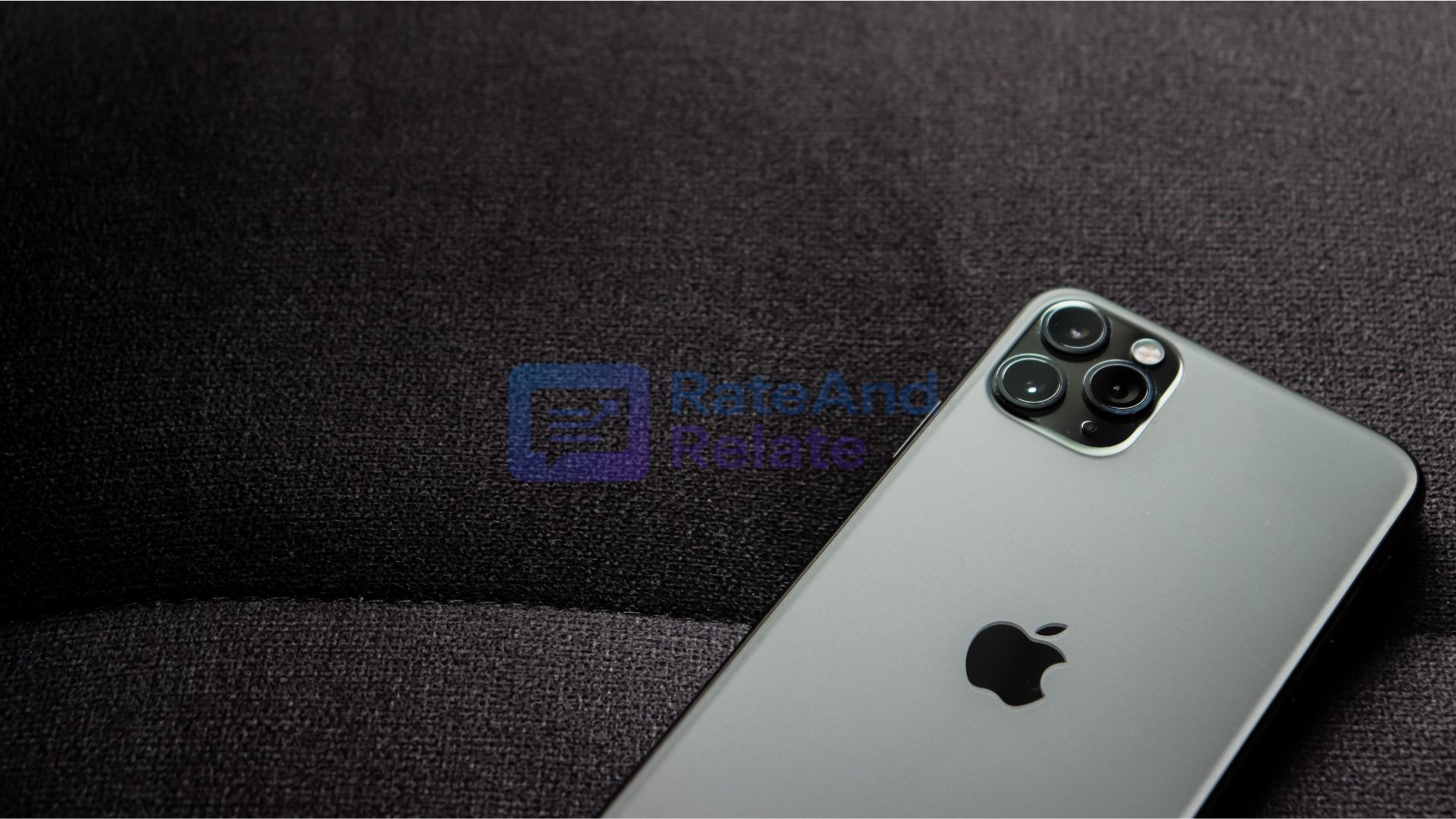

The digital communication landscape is undergoing a massive, rapid transformation, and Apple’s latest breakthroughs have completely accelerated the pace. Apple has completely rebuilt its assistant from the ground up, officially naming it Siri AI, powered by their next-generation Apple Intelligence framework and a custom integration with Google Gemini.
In my opinion, this changes the digital landscape entirely. Voice assistants are aggressively evolving from frustrating, command-based utilities into genuinely intelligent digital companions that possess a deep grasp of personal context, on-screen awareness, and fluid human intent.
Actually, the biggest trend here isn’t just voice control; it’s the fact that computing is moving into an era of proactive execution. Instead of navigating through five separate applications, users can state a goal, and the system dynamically maps out the backend steps to get it done. Here is my unfiltered breakdown of how this fresh AI architecture is redefining digital communication!
The Evolution: Moving Way Past Rigid Commands
Voice assistants have historically been quite limiting. Early versions primarily handled isolated, basic requests like setting standard alarms, playing media, or fetching a quick weather forecast.
However, Apple’s massive Siri AI overhaul across its latest operating systems demonstrates exactly how contextual artificial intelligence is making digital interaction seamless. By leveraging updated foundation models that run beautifully on-device and through Private Cloud Compute, Siri AI can now understand complex, multi-step requests, follow natural language corrections, and maintain a continuous conversational context across a whole chain of queries.
In my opinion, the introduction of a standalone Siri app that privately syncs your entire chat history across your devices via iCloud is a massive structural shift. It completely aligns the assistant with the conversational workflows modern users expect from top-tier AI ecosystems.
On-Screen Awareness and Visual Intelligence
One of the absolute most impressive features unveiled is Siri AI’s native on-screen awareness.
Actually, the assistant doesn’t just listen to your voice anymore—it actively understands what you are looking at. With the new “Siri mode” baked straight into the native Camera app, users can point their devices at real-world objects, documents, or food items and ask immediate follow-up questions.
- Visual Intelligence has expanded past smartphones onto tablets and desktop displays.
- You can now visually search through content displayed on your screen or analyze a restaurant bill to split expenses instantly.
- The system can extract data directly from an on-screen image to populate backend calendar events automatically.
In my opinion, from a digital visibility and SEO standpoint, this means your online assets must be structured so that these on-screen AI models can easily parse and reference your brand. If your platform isn’t optimized for these intelligent visual agents, you will rapidly become entirely invisible to the consumer.
AI as an Active Communication Partner
Siri AI is turning into a highly sophisticated, system-wide writing and productivity tool. The new integrated Writing Tools allow users to describe exactly what they need and generate tailored drafts anywhere they type.
In my opinion, the real highlight is Siri’s ability to mirror an individual’s personal communication style. The system automatically analyzes your historical tone and punctuation choices across communication apps. For example, if you typically drop brief, concise bullet points to your project managers, Siri AI will automatically format its drafts to match that exact structural preference. Actually, it will even proofread your work automatically as you type across third-party applications, drastically cutting down manual copy-editing time.
The Non-Negotiable Operational Impact on Businesses
The rapid evolution of conversational AI carries massive, immediate lessons for companies managing customer-centric growth.
Consumers are getting deeply accustomed to seamless, fluid, and instant responses from their personal electronics. In my opinion, if your business is still forcing users to deal with slow email delays or rigid, phone-tree customer support lines, you are operating in the stone age. To survive, organizations must aggressively integrate advanced marketing automation frameworks that can match this exact same level of high-speed, conversational convenience.
Why Privacy and Trust Are the True Bottlenecks
However, letting an AI agent crawl through your personal emails, text threads, photos, and calendar events to provide customized answers introduces severe data security risks.
Apple has heavily doubled down on a new privacy-focused architecture that prioritizes strict on-device processing. When additional processing muscle is required for complex tasks, it routes requests through Private Cloud Compute, ensuring personal data is never permanently stored or accessible. Actually, maintaining this level of ironclad authentication and data security is going to separate the market leaders from platforms that users simply do not trust with their sensitive records.
Conclusion
Apple’s massive Siri AI push isn’t just about making a voice tool slightly smarter—it is a total rewriting of human-computer interaction. We are moving away from traditional user input habits and straight into a world dominated by intuitive, conversational experiences.
In my opinion, the shift toward highly personalized, context-aware AI companions will completely change how we manage digital media, execute daily tech operations, and run customer outreach campaigns. However, the real winners of this new era won’t be the ones who marvel at the technology, but the highly agile organizations and creators who proactively optimize their digital ecosystems to be fully indexed, recognized, and utilized by these emerging AI agents!