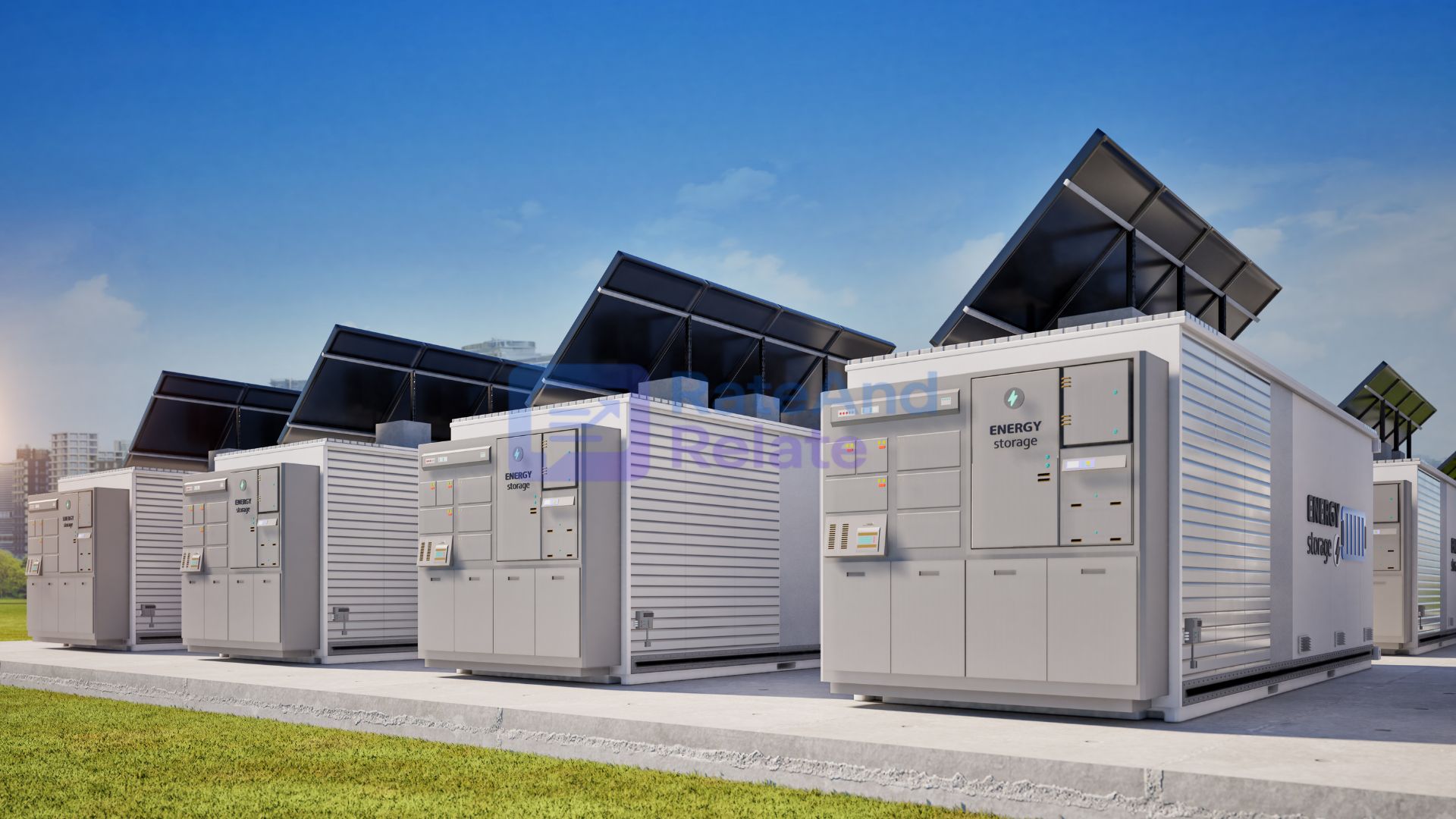

India has just taken a massive leap toward true clean energy independence, and it is happening right here in Gujarat. Adani Green Energy Limited just commissioned a colossal Battery Energy Storage System (BESS) at Khavda in the Kutch region. With a staggering 3.37 GWh storage capacity, this project is now officially the world’s second-largest battery storage facility at a single location outside of China.
In my opinion, this isn’t just a win for green energy—it is a monumental shift in how we manage power at scale, transforming raw, unpredictable weather into reliable, 24/7 electricity. Here is my breakdown of why this project is such a game-changer!
The Speed and Scale of Khavda
Actually, what makes this system so revolutionary is the sheer speed and scale of its deployment. Completed in an incredibly fast 10 months, the Khavda BESS is fully capable of delivering continuous electricity to entire cities comparable in size to Goa, Indore, or Chandigarh.
To put that into perspective, officials estimate this system can comfortably support nearly one million homes for an entire day, or power 12 million LED bulbs continuously for 10 hours straight. However, the real magic is its intelligent utility—it perfectly captures fluctuating solar and wind power and deploys it exactly when the grid demands it.
The Expanding Khavda Renewable Energy Park
The broader Khavda renewable energy project now spans nearly 538 square kilometers in the Kutch district—making it roughly five times larger than the city of Paris!
I find it incredible that our state has so rapidly emerged as one of India’s most critical renewable energy hubs due to its intense solar radiation and high wind speeds. The site is targeting a massive 30-gigawatt capacity, and nearly 9.9 gigawatts are already successfully operational today.
The Global Race: Catching Up to China
However, we must absolutely acknowledge the fierce global competition. China undeniably remains the absolute global leader in battery-based renewable energy storage.
They operate massive infrastructure projects in regions like Inner Mongolia and Xinjiang. For example, their Chagan Hada battery project boasts a storage capacity of 4,000 megawatt-hours and is engineered to run flawlessly even in minus 35-degree Celsius weather. In my opinion, the Khavda project proves that India is no longer just watching from the sidelines; we are actively and aggressively closing that massive infrastructure gap.
What Actually is a Battery Energy Storage System (BESS)?
So, why are these massive batteries so important? BESS installations are essentially giant, highly intelligent energy banks. They are critical because they:
- Store surplus electricity generated during peak solar and wind production hours.
- Stabilize fragile grids by instantly releasing power when demand surges.
- Drastically reduce sudden power shortages and rolling blackouts.
- Ensure round-the-clock renewable energy supply, bypassing the unreliability of the weather.
Major BESS Projects Shaping India
Beyond Khavda, this vital technology is spreading rapidly across the country:
- Khavda BESS (Gujarat): At 3.37 GWh, it is setting the absolute global benchmark for grid stability and renewable balancing.
- Juniper Green BESS (Rajasthan): India’s first merchant BESS in Bikaner. Actually, while its 100 MWh capacity is much smaller, it serves as a highly critical, agile asset for handling peak regional electricity demand.
The States Leading the Charge
Several forward-thinking Indian states are rapidly expanding their battery storage and renewable infrastructure, aggressively leading the charge:
- Gujarat
- Rajasthan
- Tamil Nadu
- Andhra Pradesh
- Maharashtra
- Karnataka
Final Thoughts
The rapid expansion of battery storage technology is absolutely essential for strengthening India’s clean energy goals.
In my opinion, as we drastically reduce our heavy dependence on conventional, imported fossil fuels, these intelligent storage systems will become the true backbone of India’s modern power grid. The future of energy isn’t just about how much power we can generate—it’s entirely about how smartly we can store it!