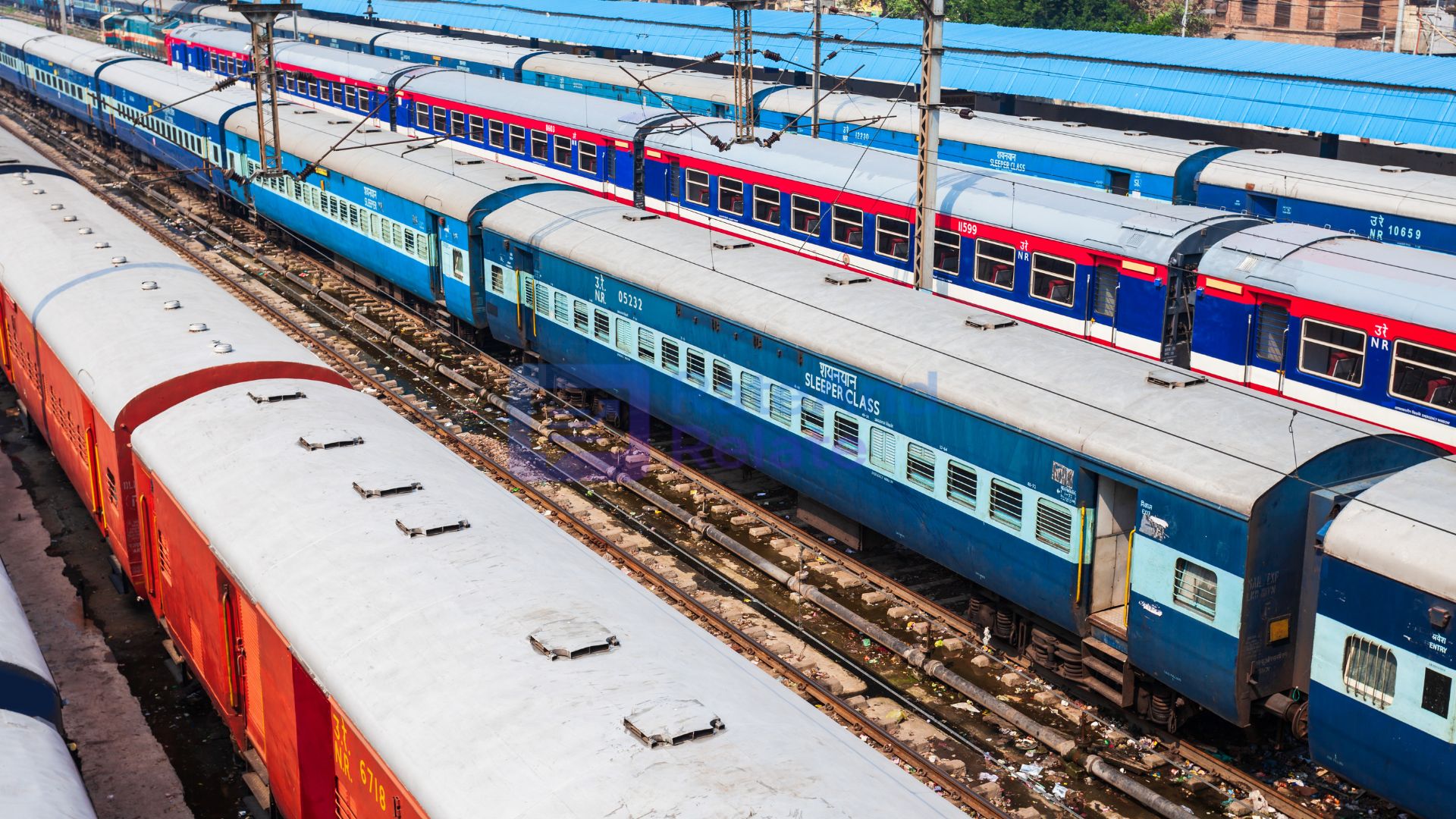

India is rapidly entering one of the absolute most ambitious railway transformation phases in its entire history. From bullet train corridors and massive Dedicated Freight Corridors (DFCs) to the rapid Vande Bharat expansion, the country is completely redesigning exactly how people, goods, and massive industries move across regions.
In my opinion, what was once viewed merely as a traditional, legacy transportation network is now aggressively becoming a massive strategic infrastructure engine. It is highly capable of permanently reshaping our economic growth, commercial logistics, tourism, and massive urban development. Here is my breakdown of how the scale of this unprecedented transformation is changing our future!
The Massive Push Toward High-Speed Rail
One of the absolute biggest developments right now is India’s aggressive move into high-speed rail infrastructure. The government has boldly announced plans for seven new bullet train corridors connecting major economic hubs across the country.
Actually, the Mumbai–Ahmedabad High Speed Rail project remains the absolute flagship initiative here. I can see firsthand exactly how critical this specific corridor will be for bridging regional commercial hubs and drastically speeding up physical business operations.
These future corridors could dramatically reduce travel times between major cities such as:
- Mumbai and Pune
- Hyderabad and Bengaluru
- Chennai and Bengaluru
- Delhi and Varanasi
In my opinion, by making intercity travel vastly faster and much more reliable, India will witness a massive economic shift similar to what countries like Japan and China successfully experienced.
Vande Bharat and the New Passenger Experience
The aggressive expansion of Vande Bharat trains is another massive pillar of India’s railway modernization strategy.
These premium trains represent a completely new generation of rail travel focused entirely on:
- Vastly faster acceleration and drastically reduced journey times.
- Highly modern, premium onboard amenities.
- Massively improved passenger comfort and daily safety.
However, public discussions rightfully continue around whether this heavy focus on premium trains should be better balanced with massive upgrades to the conventional rail services used daily by millions of our citizens.
Freight Corridors Could Actually Transform Logistics
Passenger connectivity is absolutely only one part of the story. India’s massive railway expansion is also heavily targeting true freight efficiency through Dedicated Freight Corridors.
The Western Dedicated Freight Corridor is currently seeing incredibly rapid construction progress. Actually, this shift matters deeply because slow logistics remains one of India’s absolute biggest economic bottlenecks. Faster, highly reliable freight movement seamlessly helps:
- Drastically lower transportation costs for growing industries.
- Massively improve global export competitiveness.
- Rapidly accelerate industrial corridor development.
In my opinion, rail-based freight systems are also vastly more energy-efficient than road transport, making them completely critical for our sustainable, long-term growth.
Electrification and Deep Digital Modernization
Indian Railways has achieved an incredibly impressive near-complete electrification of its broad-gauge network by 2026. This massive transition is rapidly reducing our diesel dependence while massively improving operational efficiency.
Modernization efforts now heavily include:
- AI-enabled, highly advanced monitoring systems.
- Seamless, real-time passenger information systems.
- Massive expansion of the Kavach anti-collision safety system.
Actually, together, these massive tech developments are seamlessly helping transform Indian Railways from a clunky legacy system into a deeply integrated, highly digital infrastructure network.
The Real Challenges Ahead
Despite this incredible momentum, India’s massive railway expansion journey absolutely still faces major challenges.
Land acquisition, strict environmental clearances, massive financing requirements, and tight execution timelines remain incredibly critical hurdles. However, execution speed will ultimately determine whether these highly ambitious plans actually achieve their intended economic impact.
Final Thoughts
India’s railway expansion plans are absolutely far bigger than just basic transportation upgrades.
In my opinion, they represent a massive, long-term national strategy to drastically improve economic productivity, strictly strengthen supply chains, and modernize infrastructure at an unprecedented scale. However, the real success will depend entirely on flawless execution.
Actually, as connectivity massively improves across cities, industries, and regions, the railway sector will undeniably emerge as one of the absolute strongest drivers of India’s massive infrastructure transformation in the 21st century!