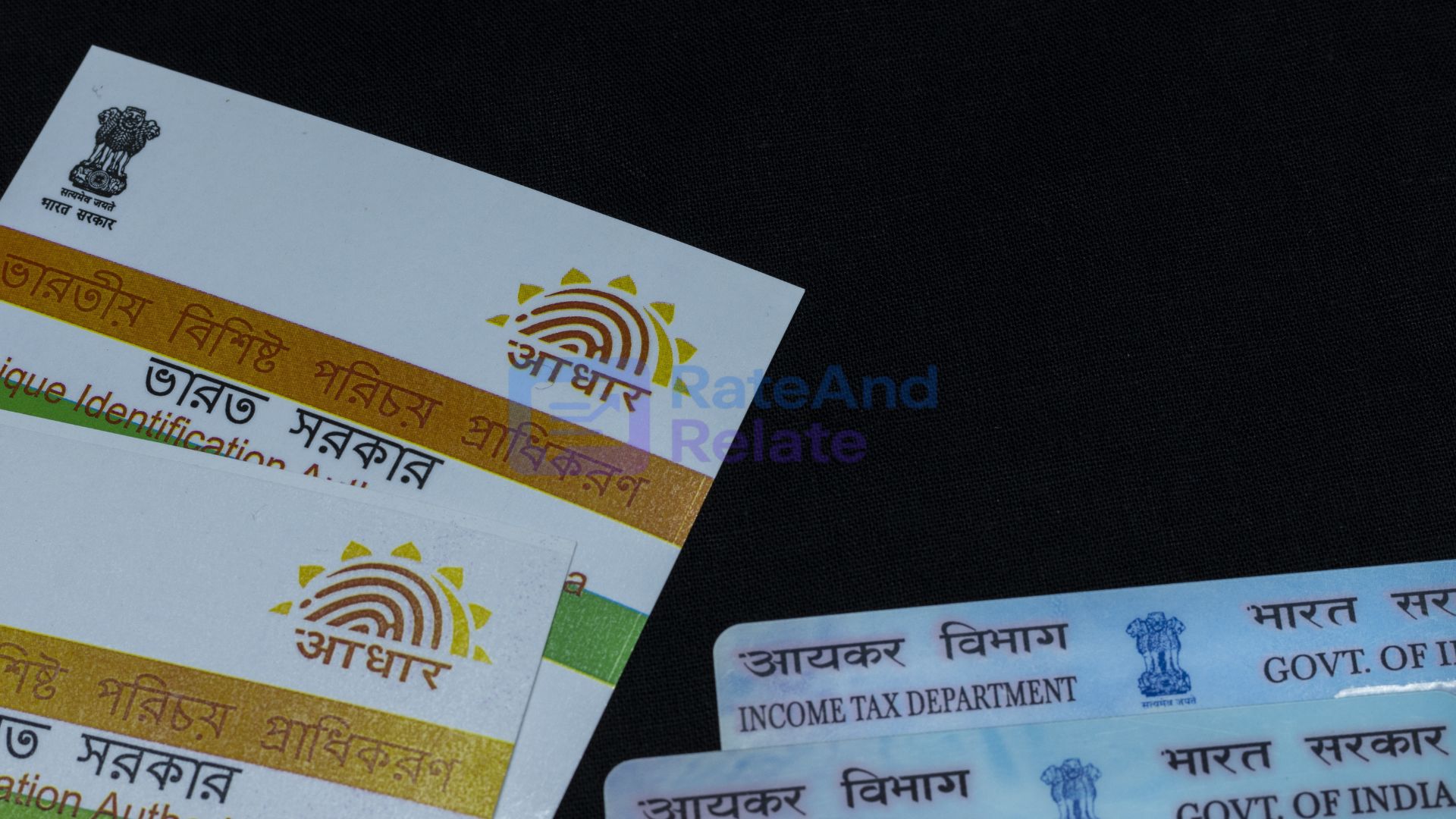

India’s financial and tax ecosystem is rapidly becoming much more structured, transparent, and secure. As part of this massive shift, the government has officially tightened the rules around obtaining a Permanent Account Number (PAN)—that crucial 10-character code required for filing taxes, opening bank accounts, and making high-value investments.
One of the absolute biggest changes that just took effect this April is this: Aadhaar alone is no longer sufficient to apply for a PAN card. Actually, while this might seem a bit frustrating at first glance, in my opinion, it is an incredibly necessary step to curb financial fraud.
Here is my breakdown of exactly what has changed, why it matters, and how you can navigate the new rules!
The End of the “One-Document” Era
Actually, for years, applying for a new PAN card was remarkably simple. The popular Aadhaar-only route allowed you to use your Aadhaar as simultaneous proof of identity, address, and date of birth.
However, that extreme convenience came at the heavy cost of verification quality. As of April 1, 2026, the government has completely removed this simplified process. Now, you must provide a separate, dedicated Proof of Date of Birth (DOB) alongside your Aadhaar.
If you are applying today, you will need to have one of these additional documents ready:
- A Birth Certificate
- A Class 10 (Matriculation) Marksheet
- A Voter ID Card
- A Passport or Driving Licence
- A Magistrate-issued Affidavit
The Hidden Name Rule and New Forms
There is another major update flying just under the radar. Moving forward, the name printed on your new PAN card must exactly mirror the details recorded on your Aadhaar card.
In my opinion, this leaves absolutely no room for spelling discrepancies or expanded surnames. If your Aadhaar carries a shortened name, your new PAN will reflect that exactly. Additionally, the old application forms are officially retired! If you are a resident applying for a new PAN, you will now need to fill out the newly introduced Form 93 (replacing the classic Form 49A).
Why Has the Government Made This Change?
You might be wondering why they are making the process more difficult. Actually, these stricter rules are part of a much broader effort to improve our national financial security.
Cases of fake, duplicate, or fraudulently obtained PAN cards using only basic Aadhaar verification had unfortunately increased. In my opinion, moving to a multi-document verification system ensures that correct personal details are accurately matched across all government databases, which drastically reduces the risk of identity theft and tax evasion.
Who Is Most Affected?
If you or a family member are applying for a first-time PAN card, you simply need to be much more prepared with your paperwork before you start the application. NRIs and foreign applicants will also find that Aadhaar is no longer enough, making extra documentation strictly mandatory.
However, if you are an existing PAN holder, don’t panic! Your current card does not suddenly become invalid. Just remember that your PAN must remain actively linked with your Aadhaar to stay operative for your daily financial transactions.
Final Thoughts
The update that Aadhaar alone is no longer enough reflects a massive, nationwide shift toward prioritizing security over pure convenience.
While these new rules definitely add a few extra steps and a bit more paperwork to your day, they ultimately protect our businesses and our economy from severe misuse. If you are planning to apply for a PAN card in 2026, the new rule is simple: gather your documents, double-check your exact spelling, and prepare your proof of birth before you ever click submit!