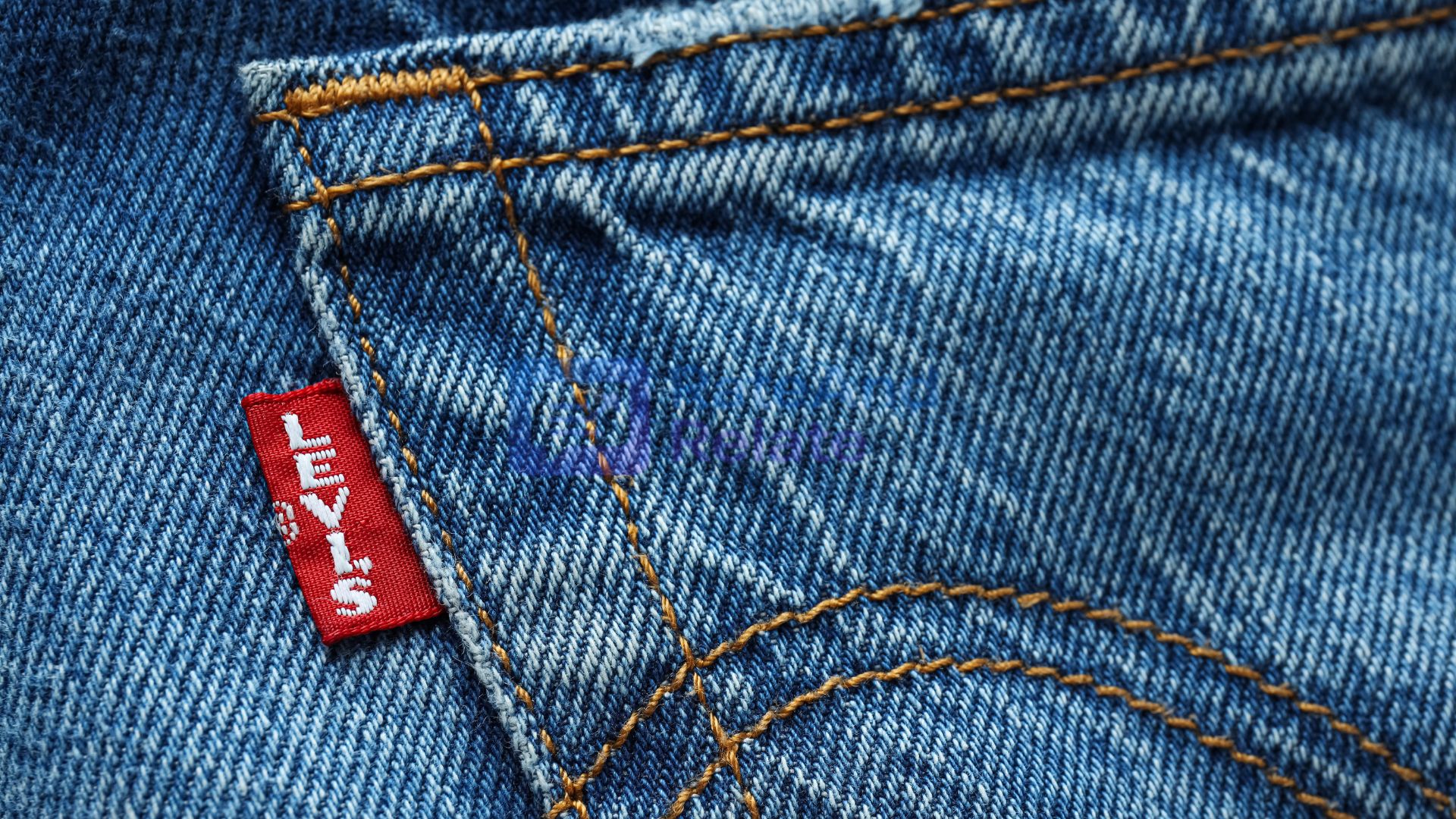

I opened my closet the other day and realized something: I have a pair of Levi’s 501s that are older than my smartphone. Actually, they might be older than my car.
In a world dominated by “fast fashion”—where you buy a shirt on Friday and throw it away by Sunday—Levi’s stands alone. My opinion? They are the only brand that has managed to stay cool for 150 years without losing their soul.
Here is my analysis of how a humble workwear company became a global icon, and why I think they are still relevant in 2026.
The “Accidental” Fashion Icon
Most people don’t realize that Levi’s didn’t start as a fashion statement. Actually, they were originally designed as “PPE” (Personal Protective Equipment) for gold miners in 1873.
I find this fascinating. The rivets, the thick denim—it wasn’t for style; it was for survival. My Take: This is why the brand works. Even today, when I buy a Levi’s jacket, I’m not buying it because a celebrity wore it. I’m buying it because I know the stitching won’t fail. In an era of cheap, disposable clothing, that engineering mindset is their biggest asset.
How They Won the Culture War
Every brand wants to be “cool,” but Levi’s didn’t try—it just happened. From James Dean in the 50s to Kurt Cobain in the 90s, Levi’s became the uniform of the “Rebel.”
However, staying relevant is hard. I’ve seen countless brands like Gap or Diesel rise and fall. How did Levi’s survive? In my opinion, it’s because they adapted without changing. They embraced torn jeans when punk was big, and slim fits when hipsters took over, but they never got rid of the classic 501. They respect their history while chasing the future.
The Sustainability Factor (Why I Respect Them)
As a modern consumer, I try to avoid fast fashion brands that pollute the planet. Levi’s has recently pivoted hard toward Sustainability (Water<Less™ techniques, etc.).
My Verdict: This isn’t just “greenwashing.” Because their product is durable by nature (you don’t throw away jeans every month), they are inherently more sustainable than a brand like H&M or Shein. That aligns with my personal values: Buy less, buy better.
Conclusion
Levi’s isn’t just a clothing company; it’s a lesson in consistency. They proved that you don’t need to reinvent the wheel—you just need to make a really good wheel that lasts forever.
My Advice: If you are building a “capsule wardrobe” (a small collection of essential clothes), start with a pair of vintage Levi’s. It’s the only investment in your closet that will likely outlast you.