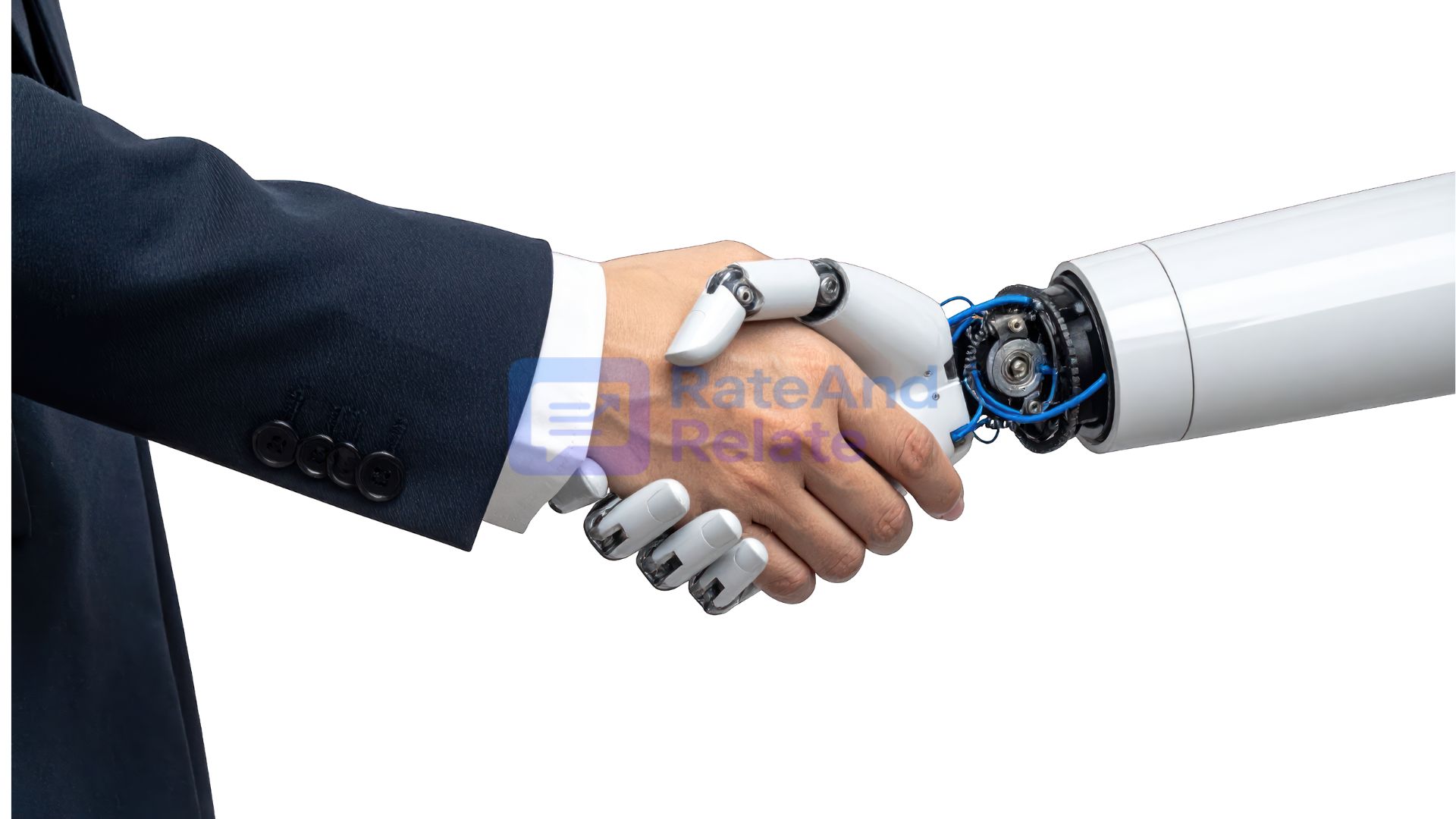

We often hear the narrative that artificial intelligence is coming for our jobs. Actually, I believe the relationship between humans and AI is entering a much more interesting phase than simple replacement. Instead of a competition, we are seeing the rise of a partnership—one where AI enhances our skills rather than rendering them obsolete.
In my opinion, the future isn’t about AI vs. Humans; it’s about how we can “rate” AI’s output and “relate” it to our human context to unlock new levels of creativity.
From Automation to Augmentation
Early on, we mostly used AI for automation—handing off repetitive, rule-based tasks that no one wanted to do. However, the focus has shifted dramatically toward augmentation. Today, I see AI acting less like a factory robot and more like a research assistant. It supports us by analyzing data and offering insights, but it stops short of the final product.
This shift allows us to concentrate on what we do best: strategy, empathy, and judgment. In my experience, these are the areas where human strengths remain absolutely essential.
AI as a Decision Support Partner
In complex fields like finance and healthcare, AI is becoming a powerful tool for decision support. It can process vast amounts of data in real time to identify patterns that a human might miss. But here is the catch: the final decision must remain in human hands.
I believe this “human-in-the-loop” approach is critical. While AI can predict outcomes, only a human can ensure accountability and apply ethical context to those decisions. We cannot outsource our moral compass to an algorithm.
Collaboration in the Workplace
The workplace of the future will see humans and AI working together seamlessly, but it requires a change in mindset. I view AI-powered assistants as force multipliers—they can draft reports and analyze trends, which frees me up to apply critical thinking.
Actually, this collaboration has the potential to reduce burnout. By offloading the “drudgery” of data crunching to AI, we can create roles that are more meaningful and focused on high-level problem solving.
Creativity and Co-Creation
There is a lot of fear that AI will kill creativity. However, I see it differently. Writers, designers, and developers are using AI as a co-creator to generate ideas and refine concepts faster than ever before.
Rather than diminishing creativity, AI tools can expand our possibilities. They help us get past the “blank page” problem, allowing us to explore ideas more deeply. It’s not about the AI doing the work for you; it’s about the AI pushing you to be better.
The Importance of Trust and Ethics
For this collaboration to work, trust is non-negotiable. In my opinion, we need transparent AI systems and strict ethical guidelines to ensure that this technology complements human values rather than undermining them.
We must address issues like bias and data privacy head-on. If we don’t, we will never build the confidence necessary for true human-AI partnerships.
Skills for a Collaborative Future
As AI becomes integrated into our daily work, the skills we value need to change. Technical knowledge is great, but actually, I believe that adaptability and emotional intelligence will become the most valuable currencies in the job market.
Education systems and organizations need to pivot immediately. We shouldn’t just be teaching people how to code; we should be teaching them how to think alongside a machine that can code.
Looking Ahead
The future of human-AI collaboration isn’t about choosing between biology and silicon. It’s about combining the strengths of both. My verdict? The most successful societies will be those where humans lead with purpose, and AI supports with intelligence. We shouldn’t fear the tool; we should master it.