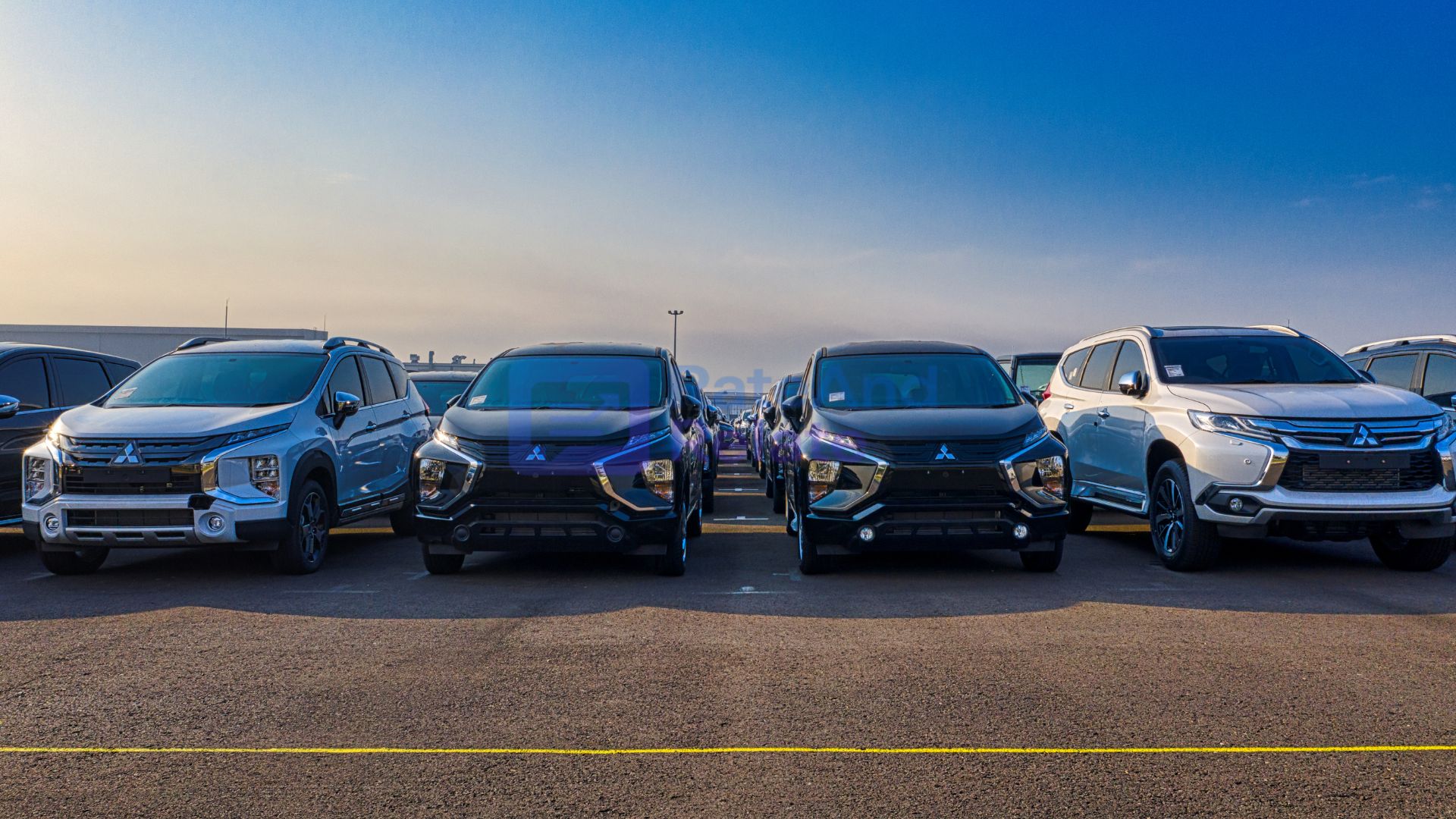

As India moves closer to Union Budget 2026, the automobile industry is clearly looking to the government for a decisive policy push. In my opinion, we are at a critical juncture. Industry experts are calling this a potential “gear-shift” moment, but I believe it needs to be more than just a shift—it needs to be an acceleration, especially regarding vehicle affordability and our electric mobility roadmap.
Actually, the situation on the ground is quite mixed. While we have seen a steady recovery in recent years, the sector is facing a “double whammy” of rising input costs and cautious consumer spending.
Focus on Affordability and Demand Revival
We often hear about record sales in the SUV segment. However, this paints an incomplete picture. The reality is that demand for entry-level cars and two-wheelers—traditionally the backbone of Indian mass mobility—remains under serious pressure.
I suspect that the “premiumization” of the market is leaving the budget buyer behind. Therefore, one of my key expectations from Budget 2026 is a strong policy intervention aimed at first-time buyers.
My view is that incentives or tax relief for small cars aren’t just about selling more units; they are about employment generation and ensuring mobility access in semi-urban and rural areas. Measures such as rationalized taxation could be the exact nudge hesitant buyers need to return to the showroom.
EV Adoption at the Centre Stage
Electric vehicles are expected to remain a central theme in Budget 2026. However, the conversation needs to evolve. In my opinion, while we need continued support for EV adoption, the focus must shift toward affordability.
Actually, entry-level electric cars and two-wheelers are the fastest path to large-scale EV penetration in India. Subsidies for luxury EVs make headlines, but subsidies for affordable EVs make a difference.
In addition to consumer incentives, I strongly believe the industry needs stronger backing for charging infrastructure. Without a robust charging network, “range anxiety” will continue to hold buyers back, regardless of how cheap the cars are.
Supporting Manufacturing and Innovation
Beyond boosting demand, I hope the budget encourages domestic manufacturing. Actually, it’s not just about assembling cars here; it’s about innovating here. Incentives for advanced components and clean-energy technologies are essential if we want Indian manufacturers to stay competitive globally.
Looking Ahead
If Budget 2026 delivers on these expectations—balancing affordability with EV-focused reforms—it could mark a turning point. My verdict? A well-calibrated policy framework won’t just support near-term growth; it will position India as a future-ready automotive hub. We have the demand and the talent; now, we just need the policy fuel to drive it forward.