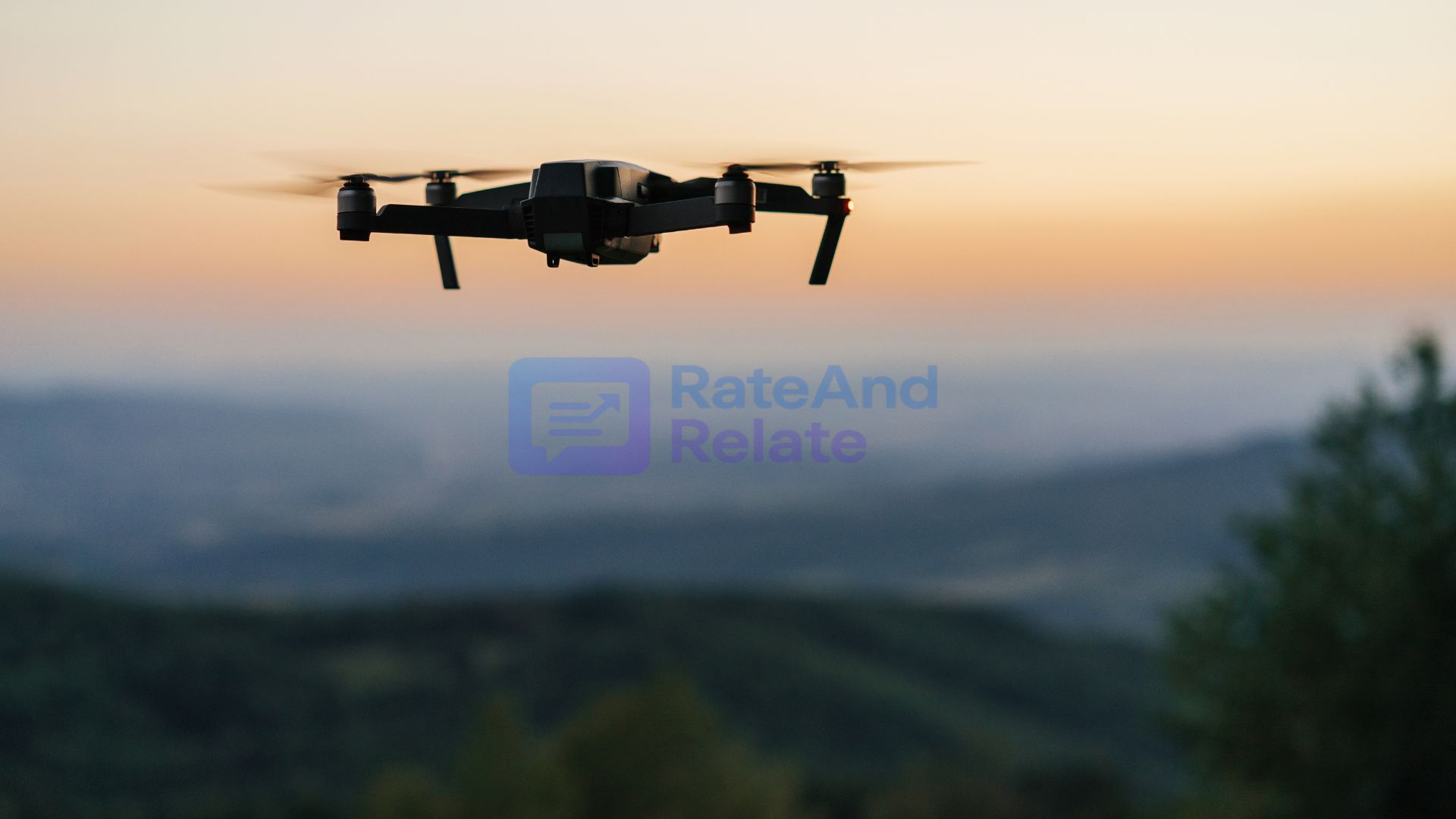

Travel has always been about experiences, stories, and memories. In my opinion, for decades we were limited to postcards and standard photos to relive the magic. But in 2026, I believe a new technology is fundamentally reshaping how we see the world: drones.
These flying cameras are no longer just expensive gadgets for professionals; I view them as essential tools that are revolutionizing travel storytelling and tourism itself.
Seeing the World from a New Perspective
Actually, drones offer travelers perspectives that were once impossible without a helicopter. From sweeping aerial views of ancient cities to close-ups of remote mountain peaks, I have found that drones allow explorers to capture landscapes in ways that go far beyond handheld cameras or selfies.
Iconic landmarks and hidden beaches can now be documented in stunning detail from above. My view is that this provides a fresh lens for both personal memories and social media storytelling.
Tourism Meets Technology
Destinations themselves are embracing drone technology. I was surprised to learn that national parks and cultural sites are now offering drone-friendly zones or curated aerial tours.
Actually, some luxury resorts have even started providing drones as part of their guest services. This allows travelers to capture their vacations like professional cinematographers, which I think is a brilliant move to attract tech-savvy tourists.
Social Media and the Rise of Aerial Content
In an era dominated by social sharing, I have noticed that drone footage has become a defining element of travel content. Influencers and casual tourists alike are using drones to create visually compelling stories.
In my opinion, stunning drone shots do more than just get likes; they provide valuable visibility for destinations, boosting tourism and local economies.
Safety and Responsible Use
However, while drones offer amazing opportunities, responsible use is key. I cannot stress this enough: many countries now have strict drone regulations, including no-fly zones and mandatory registration.
Travelers must respect wildlife, privacy, and local laws. My advice is to always check local regulations before you fly. We need to ensure that drone tourism benefits everyone without causing harm.
Beyond Photography: Future Possibilities
The potential of drones in tourism extends beyond photography. I predict that we will soon see drones used for interactive tours and real-time wildlife monitoring.
Imagine following a drone guide along a hidden hiking trail. Actually, technology is turning imagination into reality faster than we think.
My Verdict
Drones are more than just flying cameras; I believe they are transforming how we experience, document, and share travel. By providing new perspectives and enhancing social storytelling, drones allow us to capture destinations like never before. In the future, the sky is quite literally the limit—and with drones, it’s a view we can now all explore.