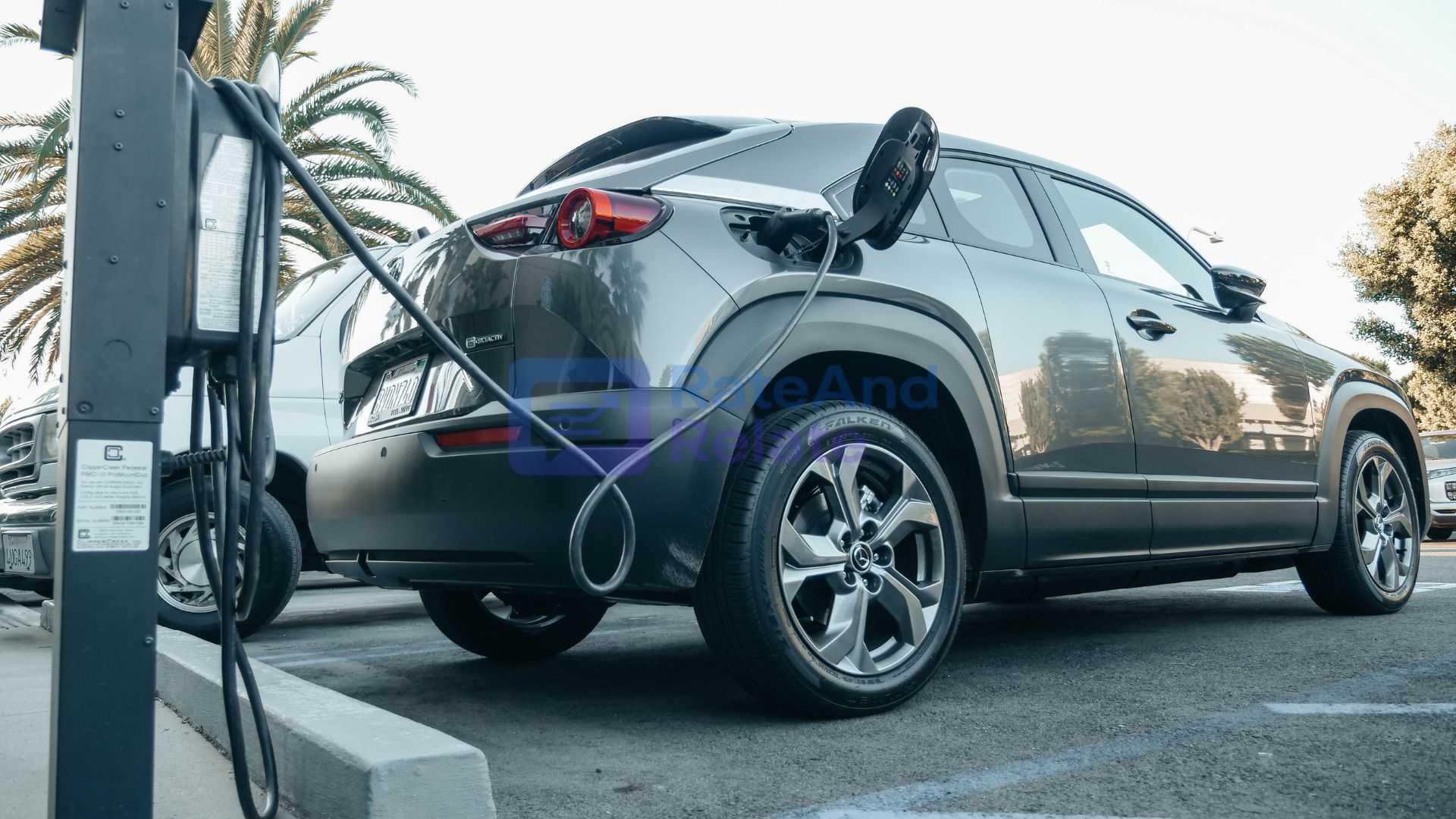

For decades, the global economy has danced to the tune of oil prices. If a barrel of crude went up, everything from our vegetables to our flight tickets got expensive.
But recently, I’ve noticed a shift. I see more green number plates on the streets of Gujarat than ever before. It made me wonder: Are we witnessing the slow death of the oil industry, or is this just a temporary hype?
My opinion is that we are in the middle of the biggest economic transfer of wealth in history. It’s not just about “saving the planet”; it’s about who controls the future of money.
The “Peak Oil” Reality
There is a lot of talk about “Peak Oil Demand.” Actually, I think we are closer to it than the oil giants want to admit. Analysts predict that by 2035, the demand for fuel will drop significantly. My Take: This terrifies oil-exporting nations. For years, countries like Saudi Arabia and Russia held the world hostage with supply cuts. But you can’t cut the supply of sunshine or wind. As EVs take over, that geopolitical leverage weakens. For an oil-importing country like India (which imports over 80% of its crude), this is the best economic news we could hope for.
The New “Gold Rush”: It’s Not Black Gold Anymore
However, let’s not be naive. We aren’t getting rid of dependency; we are just shifting it. In my view, we are trading our dependence on “Oil Barons” for a dependence on “Battery Barons.”
Instead of fighting wars over oil pipelines, the future economic battles will be over Lithium, Cobalt, and Nickel.
- The Opportunity: This creates massive new industries. I’m seeing battery factories and recycling plants popping up right here in India. This isn’t just about cars; it’s about jobs.
- The Risk: Who controls the supply chain? Right now, it’s China. If we aren’t careful, we might just swap one master for another.
The “Ripple Effect” on Your Wallet
How does this affect the average person? My Experience: I switched to an electric scooter for local errands last year. My “fuel” cost dropped by 90%. But the ripple effect is bigger.
- Lower Logistics Costs: When trucks go electric, the cost of transporting goods drops. That should theoretically lower inflation.
- Energy Grid Stress: However, there is a catch. If everyone plugs in their car at 6 PM, our current grid will collapse. The oil crisis might turn into an electricity crisis if infrastructure doesn’t catch up.
Conclusion: A Slow, Messy Transition
Is the oil industry dying tomorrow? No. Planes, ships, and heavy industry will need oil for decades.
My Verdict: We are entering a messy, 20-year transition period. Oil prices will become volatile as demand drops, and electricity prices will rise as demand spikes. But for the first time in history, the consumer has a choice. And in my opinion, having a choice is the most powerful economic tool of all.