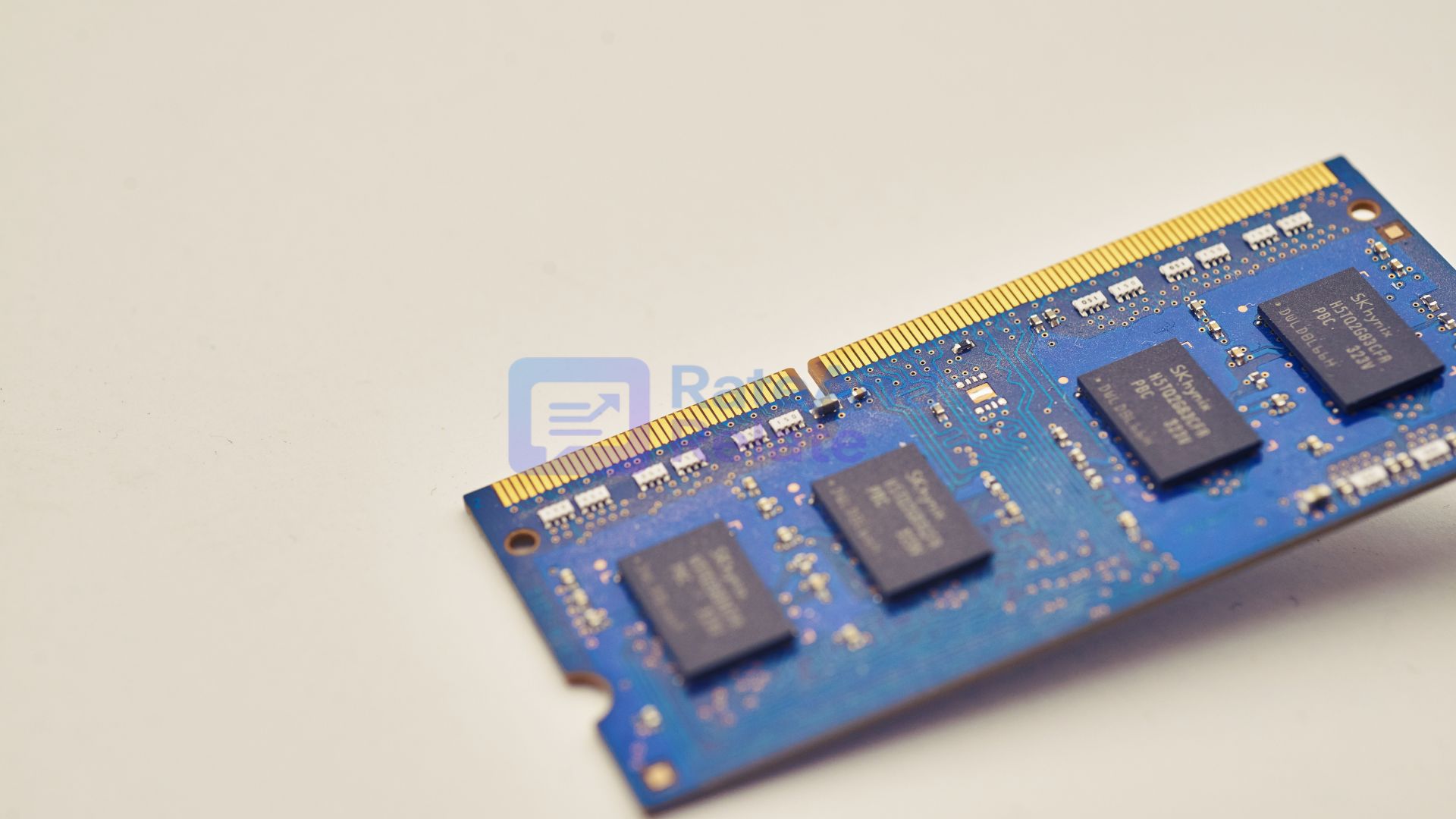

We thought the chip shortage nightmare of 2021 was over. But as I look at the hardware price lists for 2026, I am seeing a worrying trend returning.
While everyone is talking about general inflation, there is a specific, quiet crisis happening in the electronics world: The Memory Chip Squeeze. My opinion? If you are planning to upgrade your smartphone or buy a new laptop this year, you might want to do it sooner rather than later.
Here is my breakdown of why prices are rising and what this means for your wallet.
The Real Culprit: It’s Not Just “Supply Chain”
Most news outlets will tell you it’s just “supply and demand.” Actually, the real reason your RAM is getting expensive is Artificial Intelligence.
My Take: Every time we use tools like ChatGPT or Gemini, massive data centers need high-performance memory (DRAM) to process that request. The tech giants are buying up all the high-end memory chips for their AI servers, leaving fewer chips for consumer gadgets like phones and laptops. We are essentially competing with AI for the same silicon.
The “7% Hike” Reality
Industry reports suggest a 7–8% price increase for consumer electronics. However, in the real world, brands rarely just raise the price tag by 7%. They use “Tech Shrinkflation.”
My Prediction: Instead of seeing a ₹50,000 phone become ₹54,000, you will see brands offering less for the same price.
- We might see the return of 128GB base models when we should be getting 256GB.
- We might see slower storage speeds (UFS 3.1 instead of 4.0) in mid-range phones to cut costs. As a consumer, this frustrates me because we are paying 2026 prices for 2024 specs.
Who Gets Hit the Hardest?
In my experience, the budget and mid-range segments suffer the most. Flagship phones (like the iPhone Pro or Galaxy S series) have high profit margins, so manufacturers can absorb the cost. But for a budget laptop or a ₹20,000 smartphone? Margins are razor-thin. My Verdict: Expect shortages in the budget category. Smaller brands that can’t secure long-term contracts with chipmakers will either raise prices or delay launches.
Advice for Buyers in 2026
So, what should you do? My Advice:
- Don’t Wait for Deep Discounts: If you need a laptop for work or school, buy it now. Inventory is likely to get tighter towards the end of the year.
- Check the Specs Carefully: Don’t just look at the price. Check the RAM and Storage generation. Ensure you aren’t buying older tech disguised as a “new release.”
Conclusion
The 2026 memory shortage is a reminder that our gadgets are part of a fragile global ecosystem. While it’s annoying to pay more, understanding why it’s happening helps us make smarter buying decisions. The era of cheap memory is paused—at least for now.