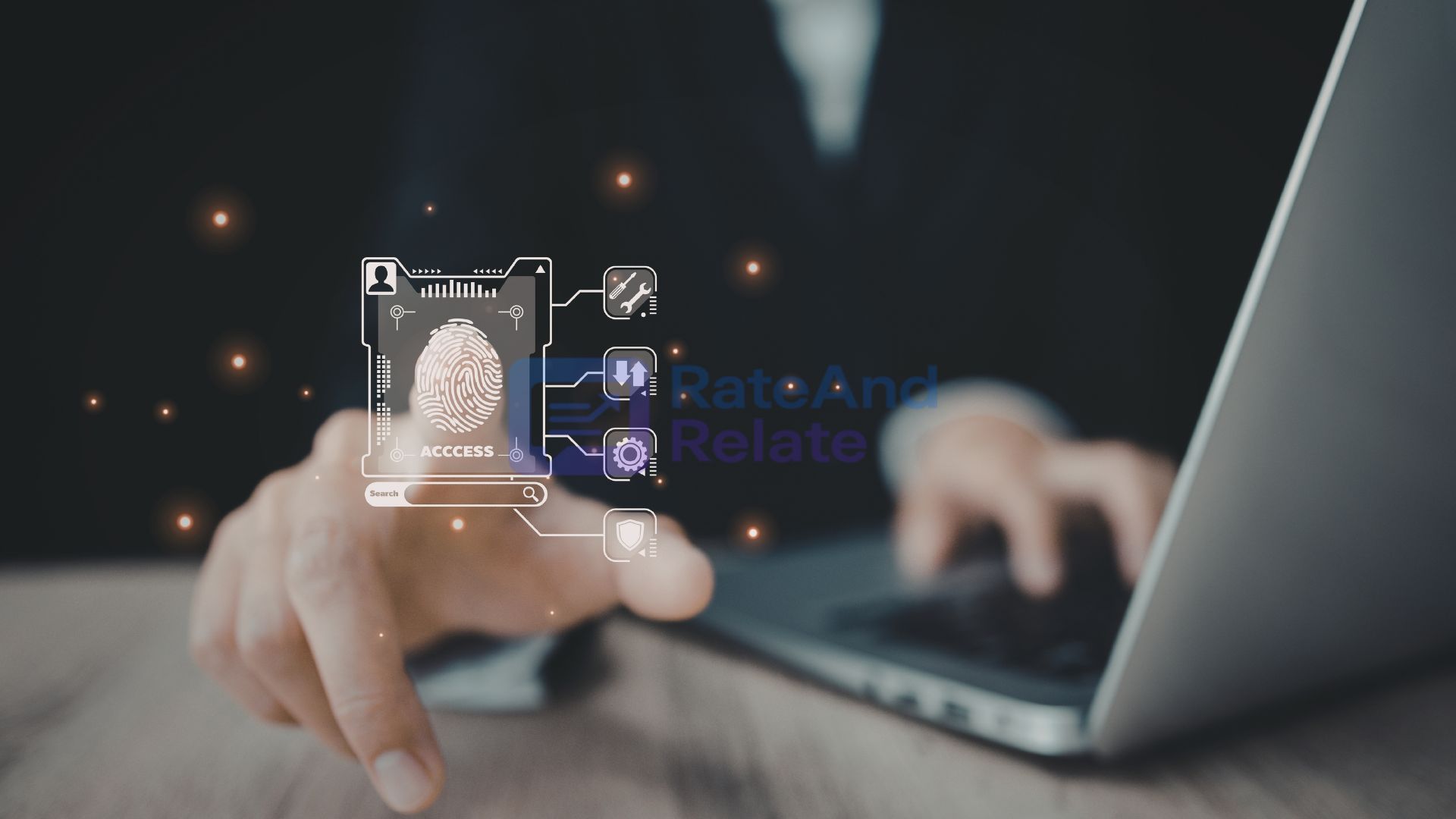

I hate passwords. You hate passwords. We all hate 2-Factor Authentication codes that take 5 minutes to arrive on our phones. For years, the industry has been looking for a solution—Fingerprints, FaceID, Iris scanners.
However, there is a new biometric ID that doesn’t require a camera or a sensor. It’s already under your fingertips. It’s called Keystroke Dynamics, and in my opinion, it is the most fascinating (and slightly creepy) development in cybersecurity right now.
Here is my breakdown of how your keyboard knows exactly who you are.
What is a “Digital Fingerprint”?
You might think this technology just measures how fast you type (Words Per Minute).Actually, it goes much deeper than that. It measures the “Flight Time”—the milliseconds your finger is in the air between pressing ‘A’ and ‘S’. It measures the “Dwell Time”—how long you hold a key down.
It’s like a musical rhythm. You might type the word “PASSWORD” differently than I do, even if we type it at the same speed. It is an unconscious habit, which makes it incredibly hard to fake. You can steal my password, but you can’t steal my rhythm.
Why I Want This for My Business
As someone in the IT sector, I worry about “Account Takeovers.” If a hacker steals an employee’s password, they are in.However, if we use Keystroke Dynamics, the system would notice immediately. It would say: “Hey, the password is correct, but this person is typing like a stranger. Lock the account.”
My Verdict: This is the “Invisible Security” layer we have been waiting for. It protects the user without annoying them with captchas or puzzles.
The Privacy Nightmare (The Catch)
This is where I have to be the skeptic. If a bank uses this to secure my account, I am happy.But, what if advertisers use it? Imagine browsing the web in “Incognito Mode.” You think you are anonymous. But as soon as you type a search query, the website recognizes your typing rhythm and links it to your real identity. It effectively becomes a “Super Cookie” that you can never delete. You can change your IP address, but you can’t change how your brain signals your fingers to move.
Conclusion: The End of the Password?
I believe we are moving toward a “Continuous Authentication” world. Instead of logging in once, the computer will constantly check: “Is this still [Name]?” based on how you move the mouse and hit the keys.
Don’t be surprised if your next banking app asks for permission to “Analyze your typing.” It’s not a bug; it’s the future. And frankly, it’s a lot safer than “Password123.”