
I caught myself doing something ridiculous the other day. I ordered groceries on a 10-minute delivery app. The tracker said “Arriving in 12 minutes.” I felt a surge of irritation. 12 minutes? Why so slow?
Then I stopped and laughed. I was getting angry that my snacks were taking 12 minutes to arrive at my doorstep. A few years ago, I would have had to drive to the store, park, shop, and drive back. We are losing our ability to wait. And that scares me more than any AI or robot.
Here is my analysis of how “Convenience” is quietly destroying our patience.
The Dopamine Loop
We treat these apps like tools. Actually, they are slot machines. When you swipe to order and see the little bike icon moving on the map, your brain releases dopamine. It’s Instant Gratification. We have trained our brains to expect everything instantly.
- If a website takes 3 seconds to load, we close it.
- If a colleague doesn’t reply to a Slack message in 5 minutes, we think they are ignoring us. We aren’t just “busy”; we are chemically addicted to speed.
The “Client” Problem
As a business owner, I see this bleeding into professional life. Clients used to understand that good work takes time. However, now they expect projects to be delivered like a pizza. The definition of “Urgent” has changed. Urgent used to mean “The server is on fire.” Now, Urgent means “I had an idea 5 minutes ago and I want to see it now.” This “Instant Culture” creates burnout because deep, meaningful work cannot be done in 10-minute sprints.
The Invisible Cost (The Human Side)
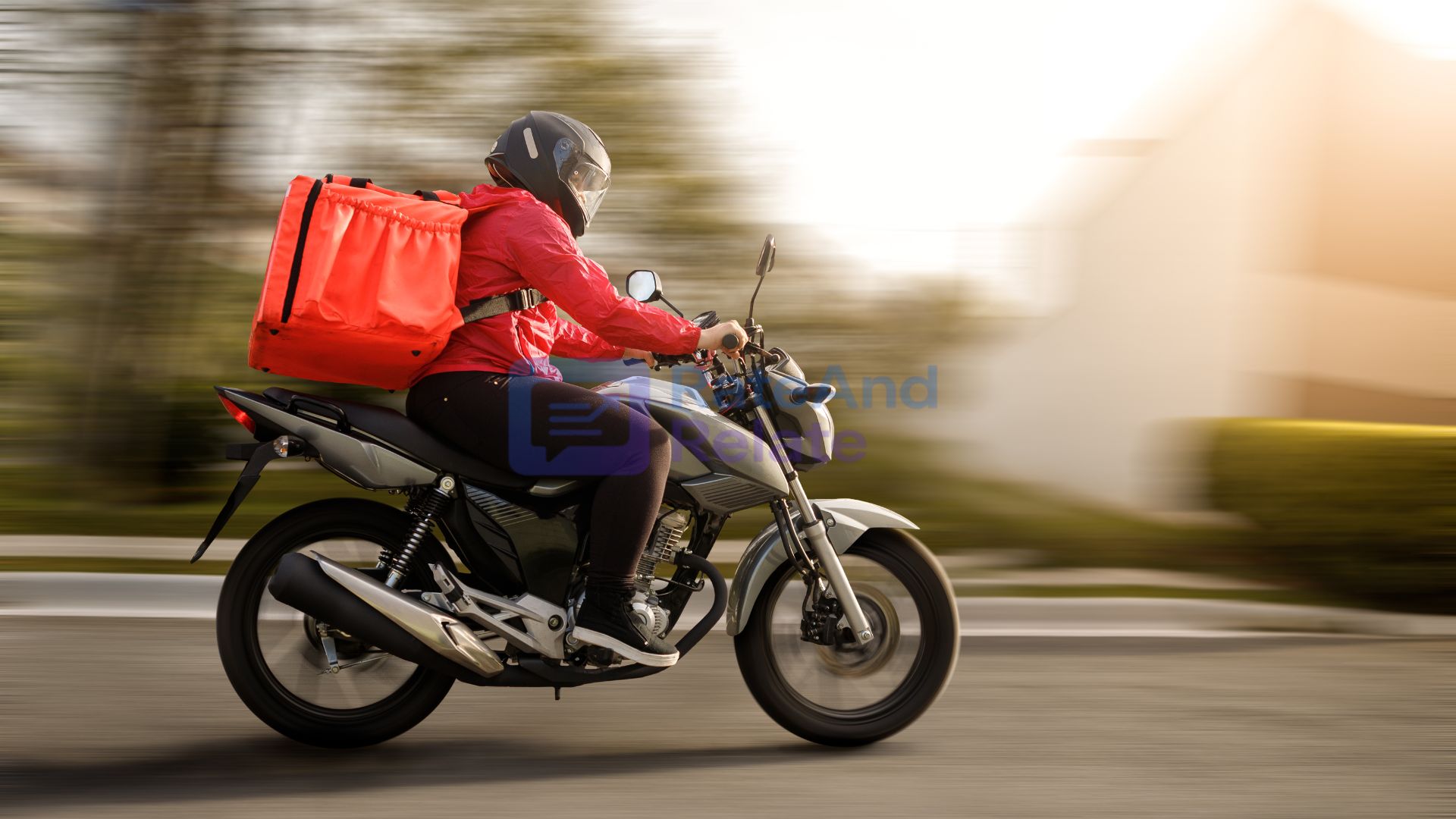
We rarely think about how that delivery gets to us in 10 minutes. In my view, our convenience is often built on someone else’s panic. When I see a delivery rider jumping a red light to save 30 seconds, I realize the cost of my impatience. We have created a system where safety is secondary to speed. It’s a harsh reality we try to ignore when we tap “Order.”
Relearning the Art of “Being Bored”
I am trying to fix this in my own life. I realized that I never just sit anymore. If I am in an elevator for 30 seconds, I pull out my phone. My New Rule: I am forcing myself to embrace “Micro-Boredom.”
- If I’m in a queue, I don’t check my phone. I just wait.
- If I order food, I don’t track the driver. It arrives when it arrives.
Conclusion
Patience used to be a normal trait. Now, it is a superpower. In a world where everyone is rushing, the person who can sit still, think deeply, and wait for the right moment has the ultimate advantage. Speed is cheap. Patience is expensive.