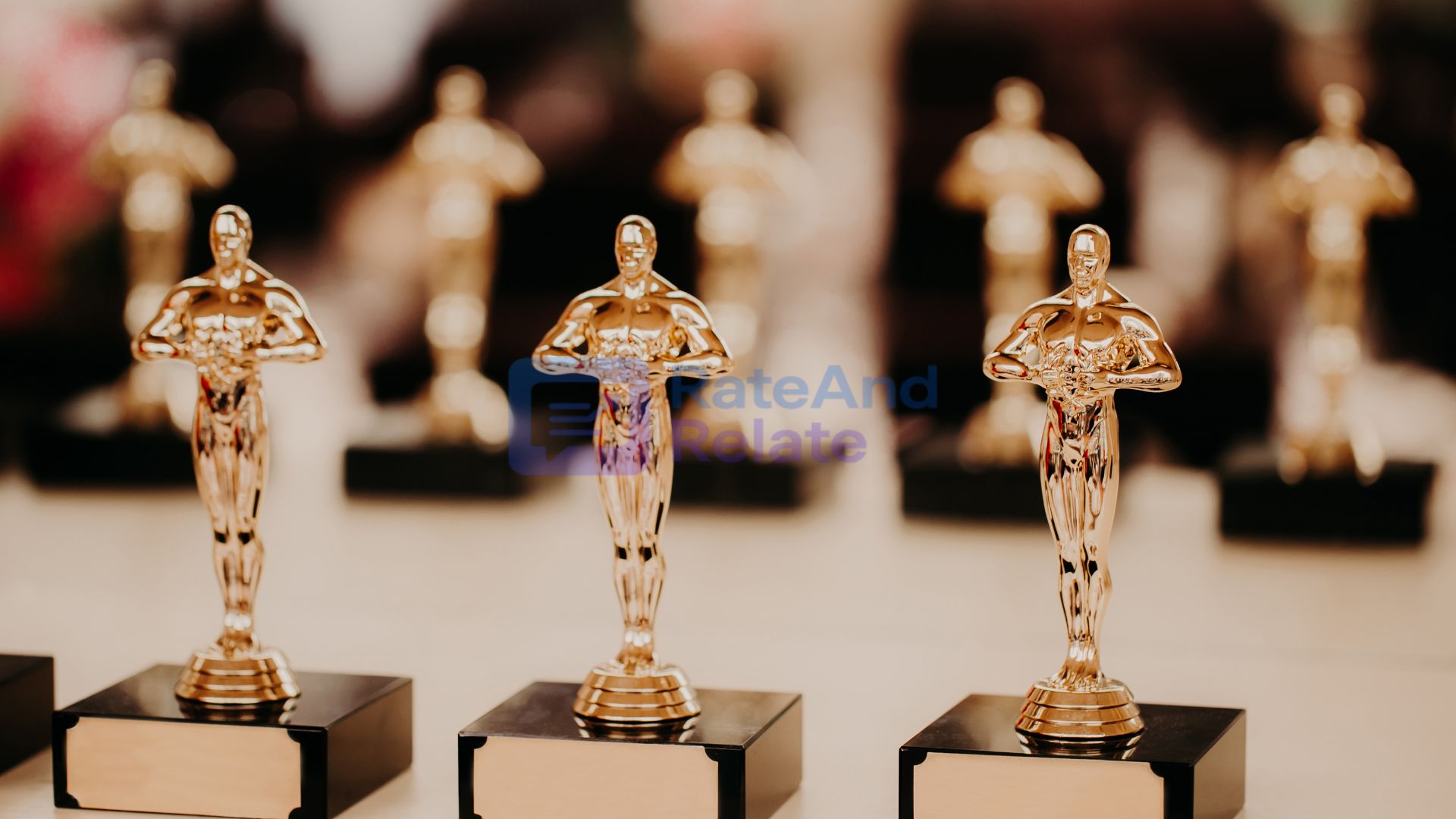

I remember staying up until 4:00 AM (IST) just to watch the Academy Awards live. There was a magic to it. Seeing the biggest stars in the world nervous, holding that little golden man. However, lately, I find myself asking: Do the Oscars actually matter anymore?
In an era where TikTok reviews go viral faster than Best Picture winners, the Academy is fighting to stay relevant. The Oscars are no longer just about “Best Movie.” They are a battleground for the soul of Hollywood.
Here is my analysis of the Academy’s century-long journey from a private dinner to a global circus.
The “Private Party” That Went Global
We think of the Oscars as a massive TV event. Actually, the first ceremony in 1929 was a private dinner for 270 people. It lasted 15 minutes. It started as an industry “pat on the back.” Somewhere along the way, it turned into a marketing machine. Today, a “Best Picture” win can add millions to a film’s box office. It’s less about art and more about economics.
The “Parasite” Moment: A Wake-Up Call
For decades, the Oscars felt like a local American party. However, the moment the South Korean film Parasite won Best Picture, everything changed. This was the Academy finally admitting that Hollywood isn’t the center of the universe. As an international viewer, this felt like a victory. It proved that subtitles aren’t a barrier to greatness. If the Oscars want to survive the next 100 years, they need to be global, not local.
The Streaming War: Netflix vs. The Old Guard
I love the cinema experience, but let’s be honest: I watched most of this year’s nominees on my sofa. For years, the Academy hated streaming services. They saw Netflix as the enemy. Actually, they have now been forced to embrace it. This tension is the defining story of the modern Oscars. Can a movie made for a TV screen (like Roma or The Irishman) really compete with a theatrical blockbuster? The lines are blurring, and the Academy is struggling to keep up.
Do We Still Care?
Ratings have dropped. The speeches are too long. The jokes often fall flat. So, why do we still talk about them? In my opinion, we watch for the History.
- We watch to see if our favorite movie gets validated.
- We watch for the unscripted chaos (like the slap or the wrong envelope).
- We watch because, despite the flaws, that golden statue is still the ultimate symbol of “Making It.”
Conclusion
The Oscars are imperfect, political, and often out of touch. However, they are the only night of the year where the entire world stops to talk about Cinema. I might complain about the show length, but I’ll still be watching next year. Because deep down, I still believe in the magic of the movies.