

When I look at today’s automobile world, I notice something interesting. Cars are no longer judged only by engines or driving feel. Instead, we often talk about software updates, massive touchscreens, AI assistants, and long feature lists. However, while many brands seem obsessed with adding more, Audi has quietly stayed focused on something I personally believe still matters a lot—design.
Actually, this design-first mindset is what makes Audi stand out in an era where cars are starting to feel like computers on wheels.
Why Audi’s Design Feels Different
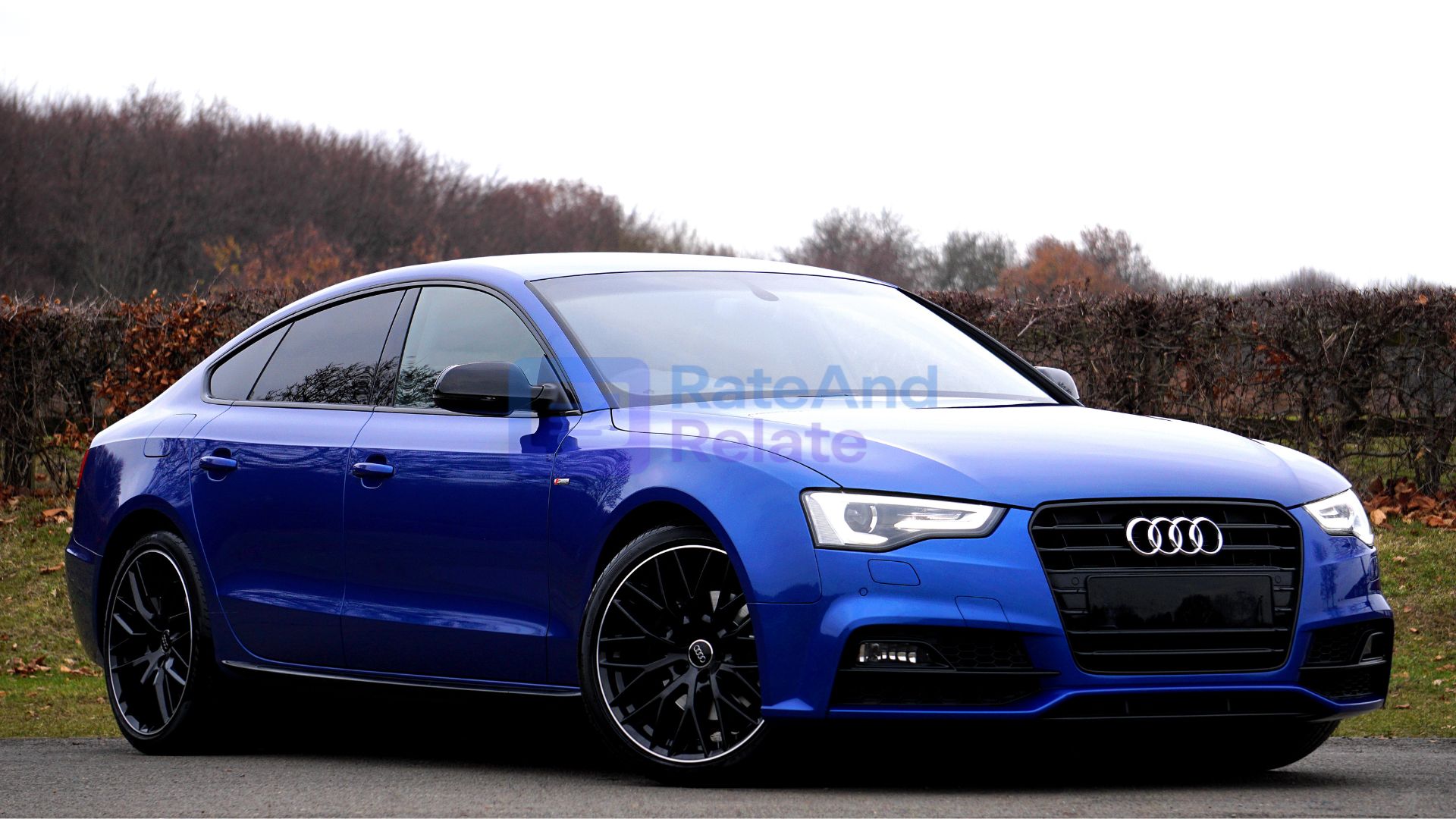
In my opinion, Audi’s design language is one of the most recognizable in the industry. Clean lines, the bold Singleframe grille, sharp LED lighting, and balanced proportions immediately tell you, this is an Audi. You don’t need a badge to figure it out.
What I like here is consistency. Audi doesn’t redesign its identity every few years just to chase trends. This creates trust. When you see an Audi on the road, you instantly know what the brand stands for—precision, sophistication, and understated confidence.
However, this isn’t just about looks. Good design also affects how you feel when you sit inside the car. Compared to some feature-heavy interiors that feel cluttered, Audi cabins usually feel calm, focused, and driver-centric. And honestly, that’s something many people, including you and me, appreciate more over time.
Design First, Technology Second—But Not Ignored
Some people assume that if a brand focuses on design, it must be compromising on technology. Actually, Audi proves that this doesn’t have to be true.
Features like the Audi Virtual Cockpit and MMI systems are excellent examples. Instead of overwhelming you with screens everywhere, Audi integrates technology in a way that feels natural. The digital instrument cluster replaces multiple physical dials, yet it still looks clean and purposeful.
Even elements like Matrix LED headlights serve a dual role. They’re highly functional, but they’re also a strong design signature. In my view, this balance is where Audi gets it right—technology supports the design instead of overpowering it.
Why Design Still Matters (More Than We Think)
Let’s be honest. Features age fast. Software updates change, interfaces get outdated, and today’s “cutting-edge” tech can feel old in a few years. However, good design ages gracefully.
That’s why I believe Audi’s approach creates stronger emotional attachment. You don’t just use the car—you feel proud owning it. A well-designed car still turns heads years later, even when newer models have more features on paper.
For you as a buyer, this means long-term satisfaction, not just short-term excitement.
The Real Challenges Audi Faces
Of course, this strategy isn’t without risks. Brands like Tesla and Mercedes are pushing hard into software-driven experiences, AI assistants, and autonomous features. Some buyers—especially younger ones—may care more about feature lists than visual harmony.
However, Audi’s real challenge is integration. The brand must continue adding advanced tech, especially in EVs like the e-tron lineup, without losing its design soul. Personally, I think this balance will define Audi’s future success.
Why Audi’s Strategy Makes Sense
In a market obsessed with features, Audi’s design-first philosophy feels refreshing and, honestly, quite smart. By prioritizing elegance, proportion, and emotional appeal, Audi ensures its cars remain timeless and desirable—even as technology keeps evolving.
From my perspective, Audi reminds us that innovation doesn’t always mean adding more. Sometimes, it means refining what truly matters.
And if you ask me, that’s why Audi continues to feel premium—not because of endless features, but because everything it offers feels intentional, balanced, and thoughtfully designed.


1 Comment
tlovertonet
Hi my friend! I want to say that this article is amazing, great written and come with approximately all vital infos. I’d like to peer extra posts like this .