
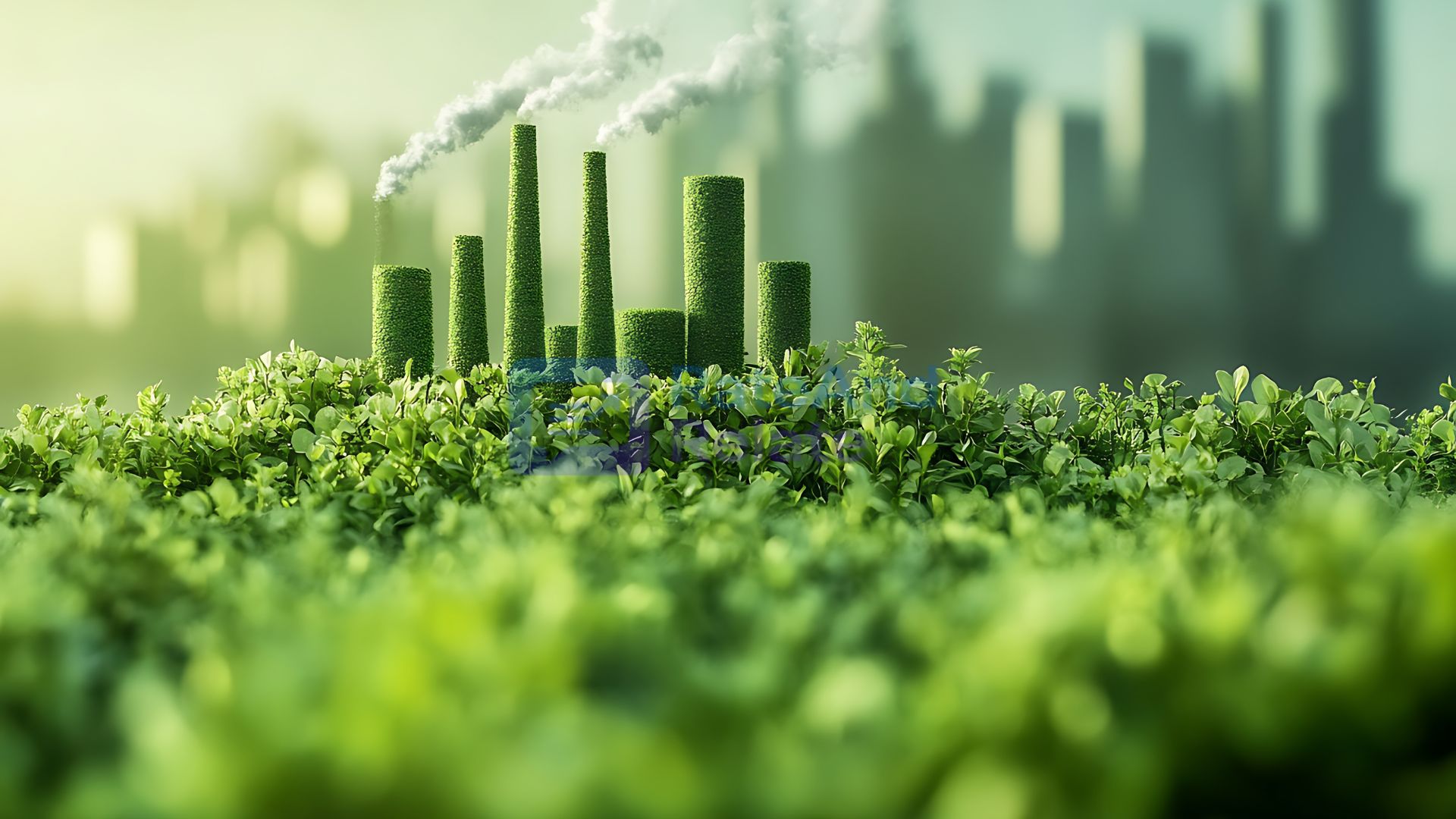

For much of the past decade, sustainability felt like one of the strongest and most convincing ideas in business, politics, and culture. I remember a time when “green” messaging genuinely grabbed attention and pushed people to think differently. By 2025, however, something had clearly changed.
Concern for the environment didn’t disappear. What changed was how people reacted to the messaging. Sustainability started to feel repetitive, vague, and easy to ignore. We entered what many now call sustainability fatigue—a phase where constant green communication stopped motivating action and quietly faded into background noise.
In my opinion, this wasn’t a rejection of environmental responsibility. It was a reaction to how that responsibility was communicated.
From Urgency to Overexposure
In the early years, sustainability campaigns carried real urgency. Climate change, plastic waste, and carbon emissions were framed as immediate problems that required collective action. That sense of urgency worked—at least for a while.
However, over time, the same slogans, symbols, and promises flooded public space. By 2025, consumers were surrounded by eco-labels, green badges, and climate pledges that all sounded remarkably similar. When every product claimed to be “eco-friendly” and every company promised to be “net zero,” the message lost its edge.
Actually, the problem wasn’t too much concern—it was too little distinction. Sustainability messaging became more about visibility than real impact.
The Growing Trust Gap and Greenwashing
Another major reason sustainability messaging lost power was trust. As public scrutiny increased, many people—including me—started noticing the gap between what companies said and what they actually did.
Vague targets, distant deadlines, and unclear measurements made it hard to judge credibility. Greenwashing only deepened this skepticism. By 2025, many consumers weren’t asking whether sustainability mattered anymore. They were asking whether the messaging was honest.
And once trust weakens, even genuine efforts struggle to stand out.
Economic Pressure Changed How People Decide
Rising living costs and economic uncertainty also played a role. When budgets tightened, sustainability claims alone often weren’t enough to justify higher prices. Practical concerns like affordability, durability, and immediate value came back to the forefront.
This didn’t mean people stopped caring about the environment. However, sustainability became one factor among many rather than the deciding factor. Ethical intent had to coexist with everyday financial reality.
When Stories Ran Ahead of Action
In many cases, sustainability communication moved faster than actual change. Companies invested heavily in storytelling while struggling to transform supply chains, production systems, and resource use at scale.
By 2025, audiences became more skeptical of emotional narratives. In my view, people wanted proof, not promises. Data mattered more than declarations. Transparency mattered more than tone.
Sustainability started to feel credible only when it was measurable.
The Rise of Quiet Sustainability
Interestingly, sustainability fatigue didn’t end environmental action—it reshaped it. A quieter approach began to emerge. Instead of leading with slogans, some organizations focused on improving operations and letting outcomes speak for themselves.
Sustainability became part of design choices, logistics, and long-term planning rather than a headline in every campaign. This shift felt more mature. Environmental responsibility stopped being a branding tool and started becoming a baseline expectation.
Beyond Buzzwords
Sustainability fatigue doesn’t signal the end of environmental concern. It signals the end of shallow engagement. The lesson from 2025 is clear: real impact depends on credibility, consistency, and restraint.
As green messaging evolves, its future may depend less on how loudly it is promoted and more on how deeply it is practiced. And honestly, that might be the healthiest shift sustainability has seen in years.

1 Comment
tlover tonet
I like this weblog very much so much excellent information.