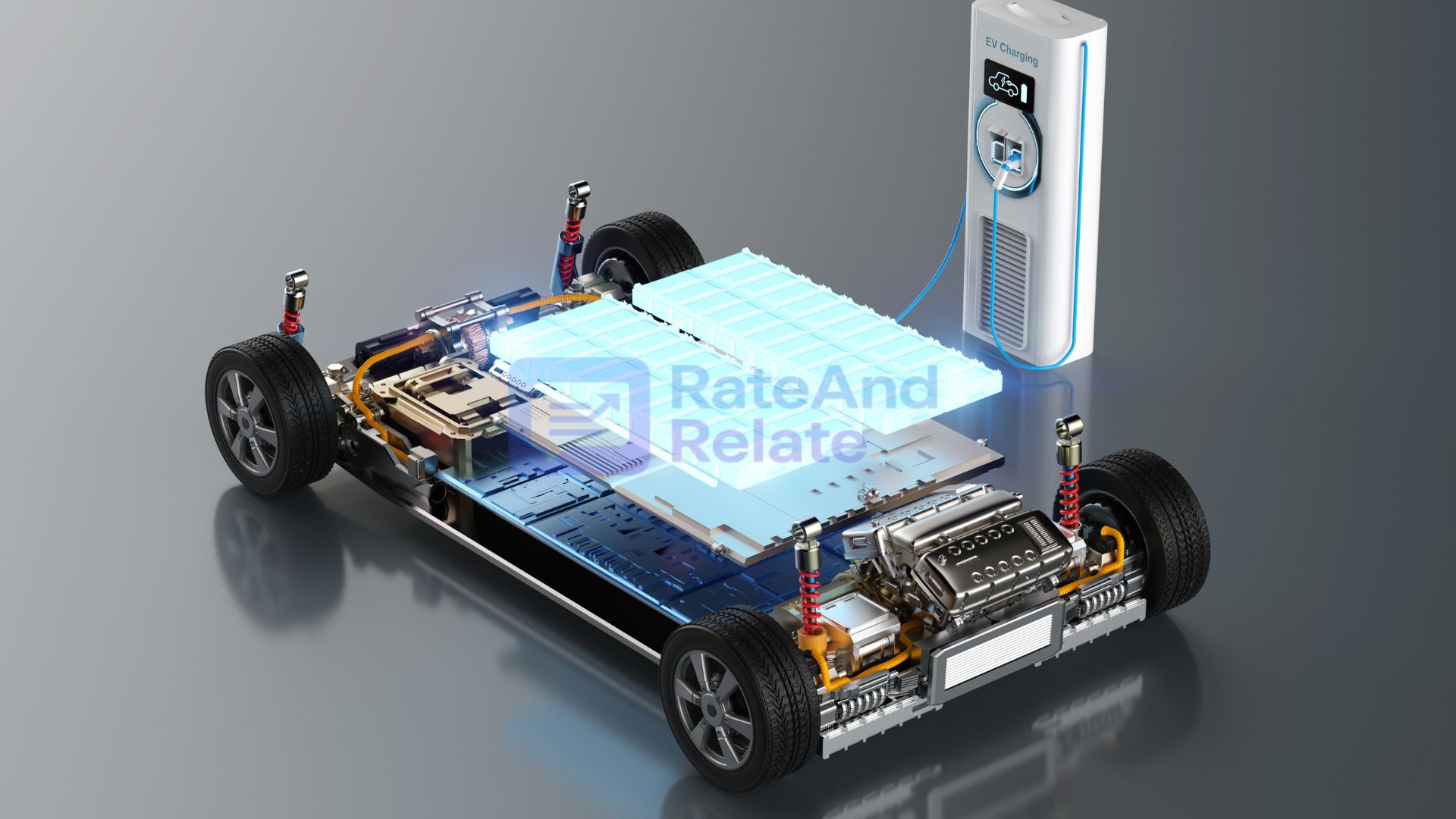

As countries accelerate the shift toward electric vehicles (EVs) and renewable energy, I believe battery technology has become one of the most critical pillars of the global energy transition. Actually, while lithium-ion batteries have dominated for decades, their limitations are driving a wave of innovation beyond conventional systems. From my perspective, solid-state batteries and sodium-ion batteries are among the most promising developments — moving rapidly from research labs into real-world applications.
The Limits of Lithium-Ion Batteries
Lithium-ion batteries have enabled the growth of smartphones, laptops, and EVs. However, I think it’s important to recognize their challenges. Lithium extraction is resource-intensive, geographically concentrated, and environmentally damaging. In addition, the liquid electrolytes used in these batteries carry safety risks, such as overheating and fire hazards.
As EV adoption and renewable energy storage demand scale up, these limitations are becoming increasingly apparent. From my point of view, the future of clean energy cannot rely solely on lithium-ion technology.
Solid-State Batteries: Safer and More Powerful
Solid-state batteries replace the liquid electrolyte in conventional batteries with a solid material. Actually, this fundamental change offers multiple advantages. I believe the most compelling benefits are:
- Safety: Reduced risk of leakage and combustion
- Energy Density: EVs can travel longer distances on a single charge
- Performance: Faster charging and longer battery lifespan
Major automotive and technology companies are investing heavily in solid-state research. From my opinion, while manufacturing challenges and high costs remain, the pace of progress suggests commercial adoption is not far off — potentially within the next few years.
Sodium-Ion Batteries: A Cost-Effective Alternative
Sodium-ion batteries are emerging as a low-cost and resource-abundant alternative to lithium-ion systems. Sodium is widely available worldwide, reducing dependence on limited lithium reserves. I actually see this as particularly beneficial for developing countries seeking scalable energy solutions.
Although sodium-ion batteries generally have lower energy density than lithium-ion batteries, they perform exceptionally well in grid-scale energy storage, where cost, safety, and durability matter more than compact size. From my perspective, their ability to operate efficiently in extreme temperatures makes them ideal for large renewable energy installations, such as solar and wind farms.
Implications for Renewable Energy and EVs
The rise of solid-state and sodium-ion batteries could fundamentally transform energy storage and distribution. I believe improved batteries will lead to longer EV ranges, shorter charging times, and lower costs — all key to accelerating mass adoption. For renewable energy, advanced storage solutions help address intermittency by storing excess power and releasing it when demand is high.
In my opinion, these technologies collectively support energy independence, grid stability, and reduced carbon emissions — aligning closely with global climate goals.
Looking Ahead
Battery innovation is no longer just a technological pursuit; I think it is a strategic necessity. As nations invest in cleaner transportation and renewable power, next-generation batteries will determine the speed and success of the energy transition. From my perspective, solid-state and sodium-ion batteries signal a future where energy storage is safer, more sustainable, and widely accessible — moving the world beyond lithium and closer to a truly clean energy economy.