
For decades, food security has been measured primarily by one standard: whether people have enough calories to survive. However, in my opinion, this definition is incomplete. While calorie sufficiency is essential, it tells only part of the story. Across the world, millions consume enough—or even excess—calories, yet still suffer from poor health, weakened immunity, and reduced productivity. Actually, this paradox highlights a deeper reality: food security is not just about quantity, but about the quality of nutrition.
The Limits of a Calorie-Centered Approach
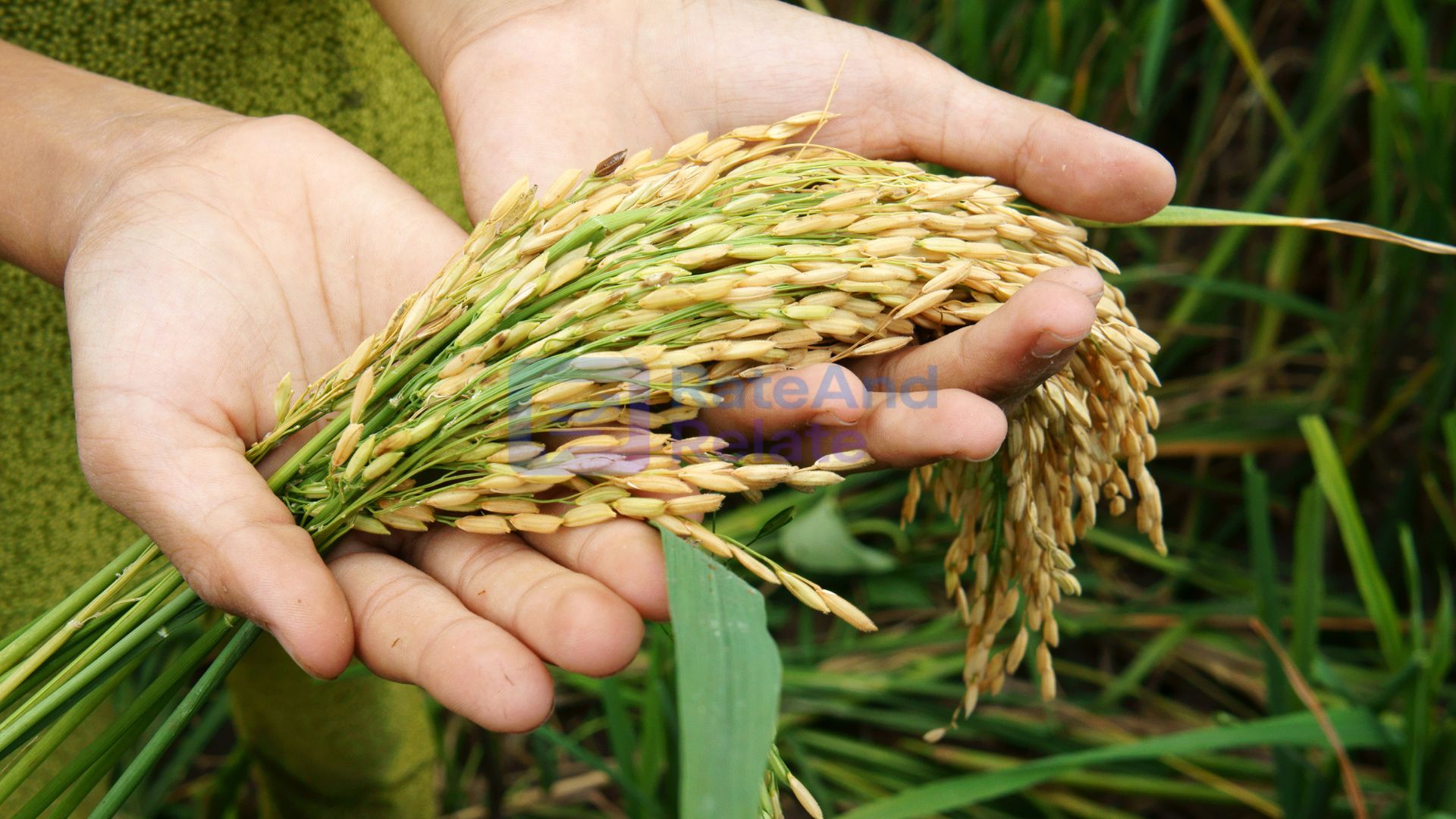
Calorie-focused food systems often prioritize staple crops such as rice, wheat, and maize. These foods are effective at preventing hunger, but they provide limited micronutrients. In my view, relying too heavily on staples creates a structural weakness in food systems. Diets dominated by such crops can leave people deficient in essential vitamins and minerals, even when total calorie intake is adequate.
This issue is especially visible in low- and middle-income countries, where affordability and availability shape dietary choices. However, I believe it is equally concerning that the same problem is increasingly present in urban and developed regions. Ultra-processed foods may deliver high calories, but they often lack nutritional depth. So while hunger may decline statistically, malnutrition quietly persists.
The Hidden Hunger Crisis
“Hidden hunger” refers to micronutrient deficiencies that are not immediately visible but have serious long-term consequences. Deficiencies in iron, iodine, vitamin A, and zinc affect cognitive development, maternal health, immune function, and overall well-being. In my opinion, hidden hunger is one of the most underestimated global health challenges because it does not always present dramatic symptoms in the short term.
Children are particularly vulnerable. Poor nutrition during early developmental years can cause lifelong physical and mental impairments. Actually, when I look at the long-term economic implications, hidden hunger does more than harm individuals—it weakens entire economies by reducing workforce productivity and increasing healthcare costs. It is a silent but powerful barrier to development.
Nutrition Quality and Public Health
Poor diet quality is closely linked to the rise of non-communicable diseases such as diabetes, obesity, and heart disease. Highly processed foods, rich in sugars, unhealthy fats, and salt, are often cheaper and more accessible than fresh, nutrient-dense alternatives. In my view, this creates a dangerous contradiction: food insecurity can coexist with obesity and chronic illness.
This phenomenon, often described as the double burden of malnutrition, clearly shows that calorie availability alone cannot define food security. However, unless dietary diversity and nutrient adequacy are integrated into policy frameworks, this imbalance will persist.
Agriculture’s Role in Nutrition Security
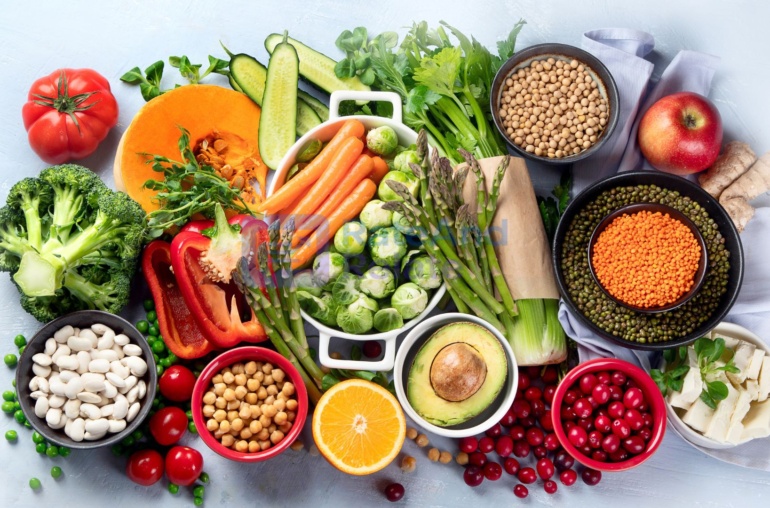
Improving nutrition quality begins at the production level. Diversifying agriculture beyond staple crops to include fruits, vegetables, pulses, and animal-source foods can significantly improve diet quality. In my opinion, agricultural policy must shift from “feeding stomachs” to “nourishing bodies.”
Biofortification—enhancing the nutrient content of crops through breeding—offers another promising approach, especially in regions with limited access to diverse foods. Sustainable farming practices also matter. Actually, soil health directly affects the nutrient content of crops, which means environmental sustainability and human nutrition are deeply interconnected.
Policy and System-Level Solutions
Addressing nutrition quality requires integrated policies that connect agriculture, health, education, and social protection. School meal programs, nutrition education, food labeling, and targeted supplementation can improve dietary outcomes. However, I believe social safety nets must move beyond calorie distribution and ensure consistent access to nutritious foods.
Urban planning and food system reforms are equally critical. In growing cities, access to fresh, affordable food often determines dietary choices. Without structural reforms, calorie sufficiency may increase while nutritional security declines.
Conclusion
Food security in the modern world must go beyond ensuring enough calories to eat. In my opinion, true food security means access to safe, affordable, and nutritious food that supports healthy and productive lives. As global challenges such as climate change, population growth, and economic inequality intensify, focusing on nutrition quality is not optional—it is essential.
Actually, if we continue to measure food security only in terms of calories, we risk solving hunger on paper while allowing malnutrition to persist in reality. Sustainable development, public health, and human potential depend not just on how much we eat, but on how well we are nourished.