Advances in technology, automation, and workplace tools were once expected to make work easier and give people more free time. In theory, higher productivity should mean fewer working hours for the same output. Yet for many professionals, the opposite feels true. Despite being more productive than ever, employees often experience longer hours, blurred boundaries, and rising burnout. This disconnect raises an important question: why don’t productivity gains translate into better work-life balance?
Productivity Often Raises Expectations, Not Freedom
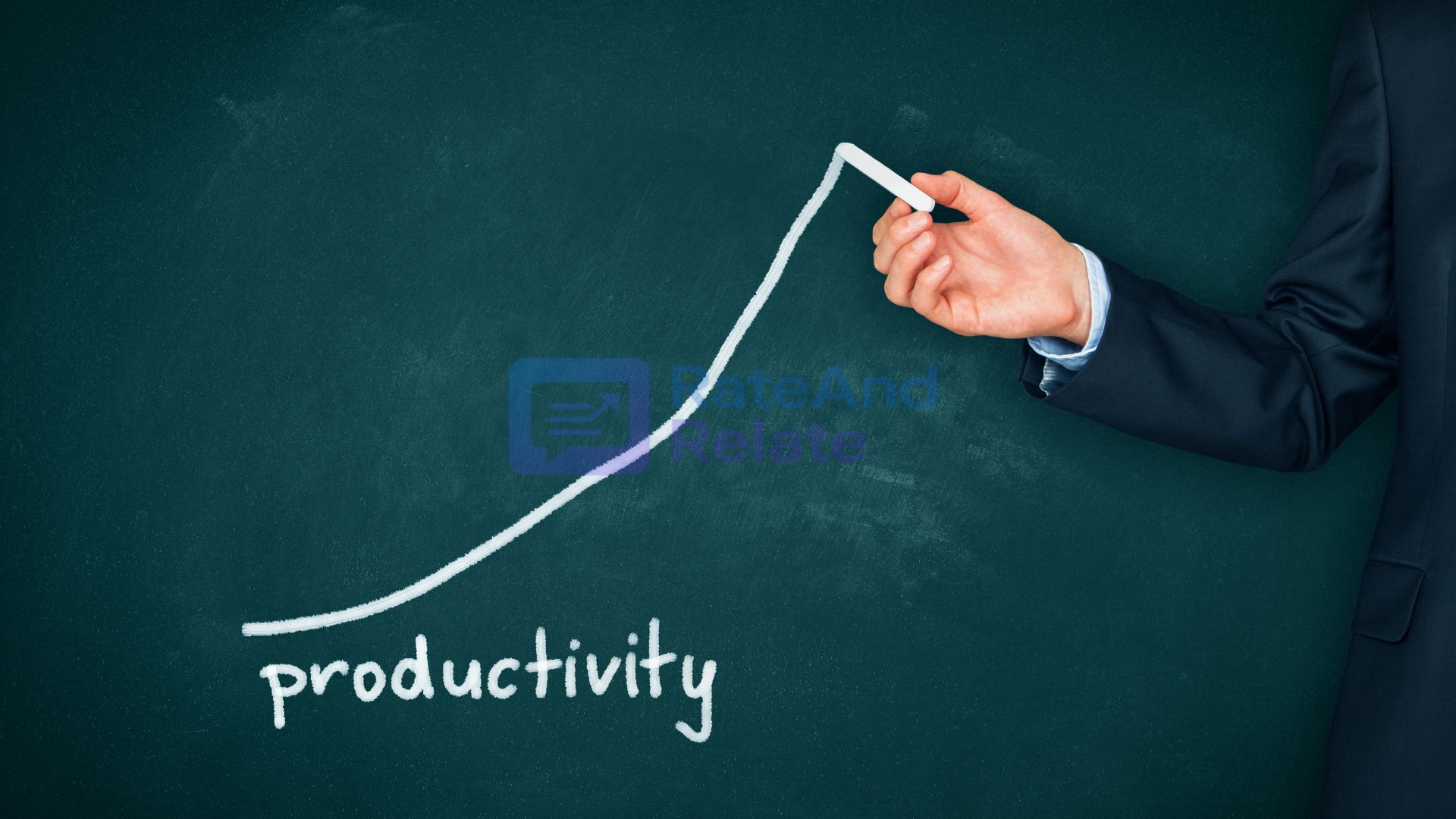
When productivity improves, organizations rarely respond by reducing workloads. Instead, higher efficiency often leads to higher expectations. Tasks that once took hours can now be completed in minutes, encouraging managers to add more responsibilities rather than allowing time to be reclaimed. As output increases, “normal” performance standards quietly rise, leaving employees feeling constantly behind despite working faster.
Technology Blurs the Boundary Between Work and Life
Digital tools have made work more flexible—but also more intrusive. Email, messaging platforms, and project management apps enable instant communication, making employees reachable at all hours. Productivity tools remove friction, but they also remove natural stopping points. Without clear boundaries, work expands into personal time, eroding the separation essential for rest and recovery.
Efficiency Gains Are Captured by Organizations, Not Individuals
In many workplaces, productivity gains benefit companies more than employees. Faster workflows, automation, and data-driven decision-making often result in higher profits or growth targets rather than reduced working hours. Employees may produce more value per hour, but compensation, time off, and workload expectations frequently remain unchanged.
This creates a system where individuals work more intensely without experiencing proportional personal benefits.
The Culture of Busyness
Modern work culture often equates busyness with commitment and success. Even when productivity improves, employees may feel pressure to stay visibly busy to signal value. This culture discourages people from using efficiency gains to rest or disconnect, reinforcing long hours and constant availability.
Knowledge Work Has No Clear Finish Line
In knowledge-based roles, work is rarely “done.” There is always another email, idea, report, or improvement to make. Productivity tools accelerate thinking and execution, but they don’t define limits. Without clear endpoints, efficiency simply extends the workday rather than shortening it.
Work-Life Balance Is a System Issue, Not a Personal Failure
The lack of improved work-life balance is often framed as an individual problem—poor time management or lack of discipline. In reality, it is a structural issue shaped by organizational incentives, leadership expectations, and cultural norms. Without deliberate policies that protect time and set boundaries, productivity gains will continue to increase pressure rather than relief.
Rethinking the Meaning of Productivity
True progress requires redefining productivity beyond output alone. Sustainable productivity considers well-being, recovery, and long-term performance. Organizations that recognize this shift focus on outcomes, not hours, and create systems where efficiency leads to healthier work patterns rather than constant escalation.
Conclusion
Productivity gains do not automatically improve work-life balance because efficiency changes how much we can do, not how much we are expected to do. Without conscious choices at the organizational level, increased productivity simply raises the bar, intensifies work, and stretches time even further. Real work-life balance emerges not from better tools, but from better decisions about how work should fit into life.