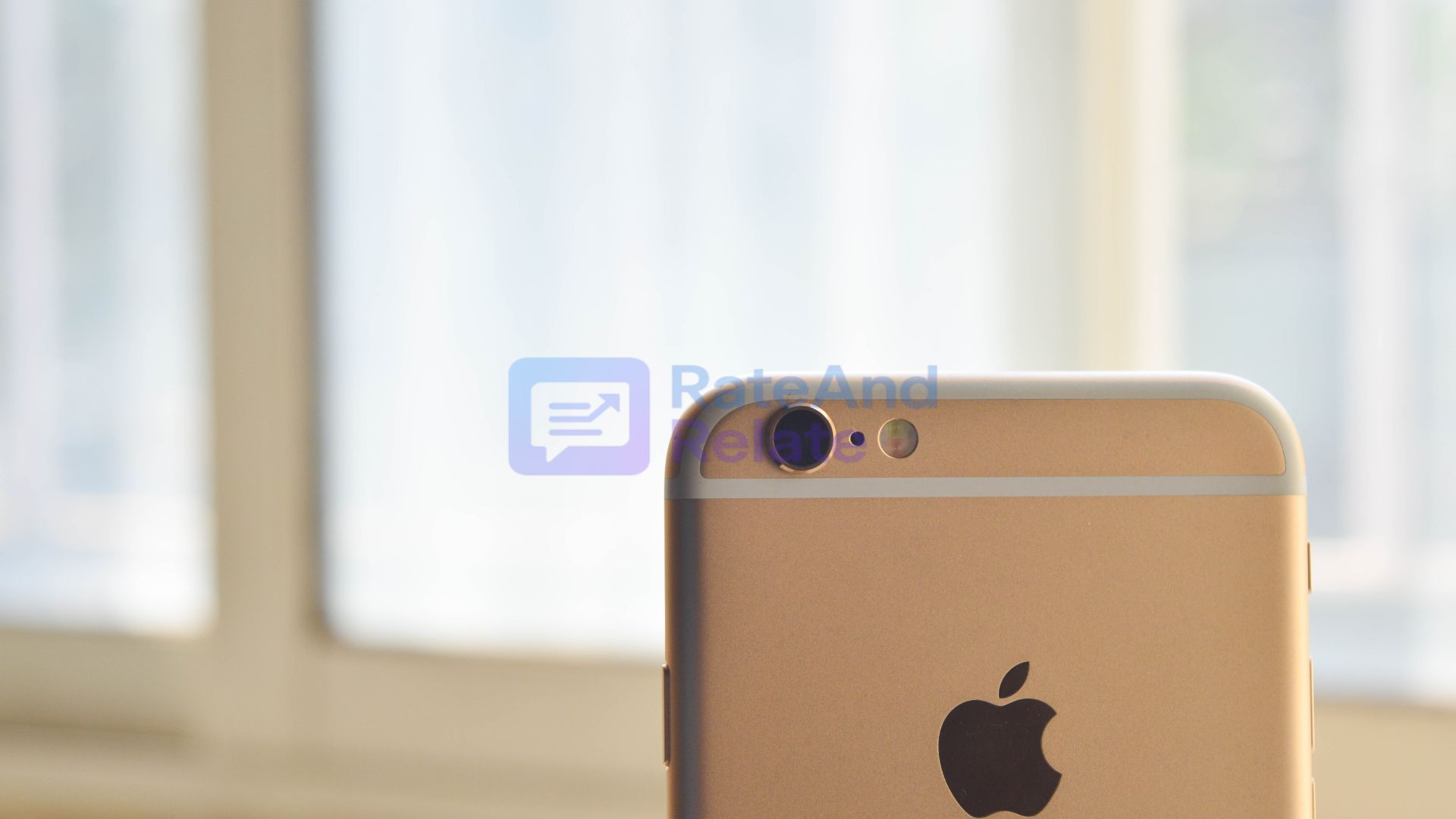

In my view, the story of Apple Inc. is not just about business success—it is about belief, bold decisions, and relentless reinvention. What started in a small California garage eventually reshaped global technology and consumer behavior. Actually, I believe Apple did not just build products; it built an emotional connection with users.
The Humble Beginnings
In 1976, Steve Jobs, Steve Wozniak, and Ronald Wayne founded Apple in Jobs’ parents’ garage. Wozniak built the Apple I, a personal computer designed for individuals rather than corporations. However, what truly set Apple apart, in my opinion, was Jobs’ belief that computers should be personal, intuitive, and beautifully designed.
At a time when technology felt cold and technical, Apple aimed to make it human. I think that philosophy became the backbone of the company’s identity.
Early Success and Serious Challenges
The Apple II became a commercial success and pushed Apple into rapid growth. However, success also brought internal conflict. Strategic disagreements eventually led to Steve Jobs leaving Apple in 1985. In my opinion, that moment showed how fragile visionary companies can be when leadership alignment breaks down.
During the 1990s, Apple struggled. Product lines became confusing, innovation slowed, and competitors like Microsoft dominated the market. Actually, by the mid-1990s, Apple was close to bankruptcy. Many believed the company would not survive.
The Comeback of a Visionary
In 1997, Steve Jobs returned—and this is where, I believe, one of the greatest corporate turnarounds in history began. He simplified Apple’s product lineup, cutting unnecessary complexity. However, what surprised many was his partnership with Microsoft, which invested $150 million in Apple. That decision, in my opinion, showed strategic maturity over ego.
The launch of the iMac marked a dramatic turning point. Its bold design reminded the world that Apple stood for simplicity and creativity. The “Think Different” campaign was not just marketing—it was a statement of identity. Actually, I think it repositioned Apple as a brand for innovators, rebels, and dreamers.
Redefining Entire Industries
Apple didn’t just enter markets—it transformed them.
The iPod (2001) changed how people consumed music.
The iPhone (2007) redefined what a mobile phone could be. In my opinion, the iPhone didn’t just improve phones—it created the modern smartphone era.
The App Store (2008) built an entirely new digital economy for developers worldwide.
Later innovations like Apple Watch and AirPods made wearable technology mainstream.
What stands out to me is Apple’s obsession with user experience. However, it consistently prioritized simplicity over feature overload. Actually, that discipline is rare in the tech industry.
Life After Steve Jobs
After Jobs’ passing in 2011, Tim Cook became CEO. Many questioned whether Apple could maintain its edge. In my opinion, Cook proved that leadership does not have to look the same to be effective.
While Jobs was visionary and dramatic, Cook focused on operational excellence and scale. Under his leadership, Apple expanded services like Apple Music and iCloud, strengthened its ecosystem, and emphasized privacy and sustainability. Actually, Apple became the world’s most valuable company during this period, proving that execution is just as important as innovation.
Lessons from Apple’s Journey
In my view, Apple’s story teaches powerful lessons beyond technology:
Focus matters more than expansion.
Simplicity often beats complexity.
Design is not decoration—it is strategy.
Reinvention is necessary, especially during crisis.
Actually, I believe Apple’s biggest strength is its ability to say “no.” By refusing distractions, it preserved clarity and brand identity.
Conclusion
Apple’s transformation from a garage startup to a global icon is more than a corporate success story. In my opinion, it is proof that vision combined with discipline can reshape industries. However, the journey also shows that even the most innovative companies face near collapse without strong leadership and strategic focus.
Actually, what inspires me most about Apple is not just its products—but its willingness to reinvent itself when survival was at stake. When design, innovation, and long-term strategy align, a company does not just compete—it changes the world.