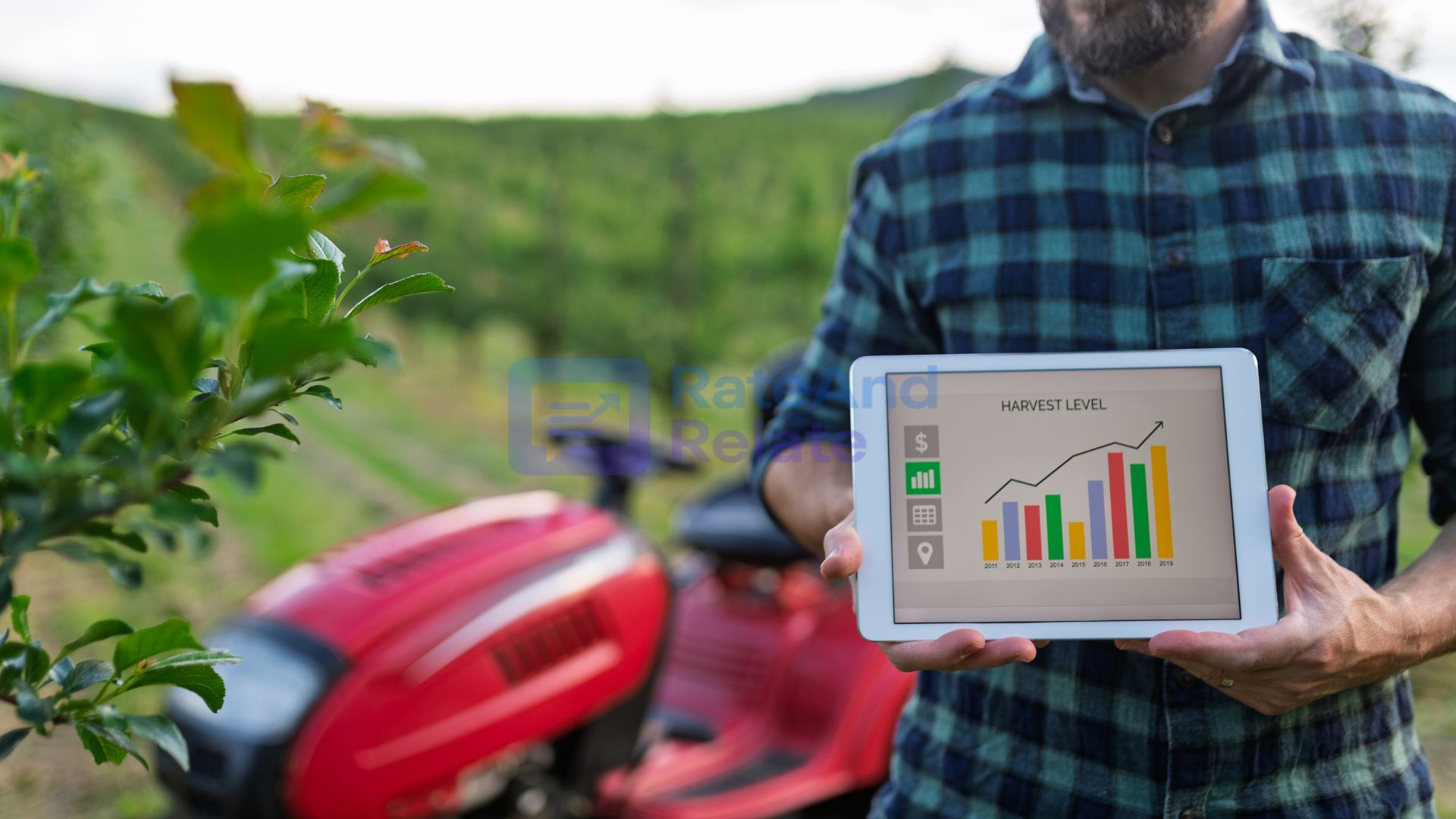

Agriculture is no longer driven only by rainfall patterns and manual inspections—it is increasingly powered by data. Machine vision is one of the most transformative technologies behind this shift. By enabling computers to interpret images of crops and fields, it is reshaping how farmers monitor plant health, detect threats, and improve productivity. However, what makes this technology truly powerful is not just automation, but smarter decision-making.
Machine vision turns ordinary farm visuals into actionable intelligence.
What Is Machine Vision in Agriculture?
Machine vision uses cameras, sensors, and artificial intelligence algorithms to analyze visual data. In agriculture, it allows machines to “see” crops with consistency and scale that often exceed human capability.
Images are captured using drones, satellites, tractors, or fixed cameras. These visuals are then processed using computer vision and machine learning models to detect patterns and anomalies. I believe this integration of AI and imaging is redefining how farms are managed.
How Machine Vision Is Used in Crop Monitoring
Machine vision supports crop monitoring throughout the entire growing cycle.
1. Crop Health Assessment
By analyzing leaf color, structure, and texture, systems can detect early stress caused by nutrient deficiencies, water shortages, or disease. Actually, these warning signs often appear before they are visible to the human eye. Early detection can significantly reduce potential losses.
2. Pest and Disease Detection
High-resolution imaging enables AI models to identify pest infestations and disease symptoms at an early stage. However, the real advantage lies in precision. Instead of blanket pesticide spraying, farmers can target only affected areas.
3. Growth and Yield Estimation
Machine vision tracks plant height, canopy density, and growth patterns. This improves yield forecasting and planning for storage and markets. I think more accurate projections can strengthen both farmer income stability and supply chain efficiency.
4. Weed Identification
Vision systems can distinguish crops from weeds, enabling precision spraying or mechanical removal. Actually, this reduces chemical usage and lowers input costs while supporting environmental sustainability.
Technologies Behind Machine Vision
Multiple technologies work together to make this possible:
- RGB and multispectral cameras capturing visible and non-visible light
- Drones and satellites for large-scale field imaging
- Edge computing for real-time analysis
- Machine learning models trained on crop-specific datasets
These systems improve over time as more images and localized data are collected.
Benefits of Machine Vision in Farming
Machine vision offers several key advantages:
- Early detection of crop stress
- Reduced input costs through precise resource use
- Improved productivity from data-driven decisions
- Greater environmental sustainability
However, I believe its long-term impact may be even more significant in regions facing labor shortages, where manual field inspections are time-consuming and inconsistent.
Challenges and Limitations
Despite its promise, adoption is not without obstacles.
High initial investment costs can limit accessibility, especially for small and marginal farmers. Accuracy can also vary due to changing weather, lighting conditions, and crop diversity. Actually, without localized datasets, predictions may lack reliability.
Bridging these gaps will be essential for large-scale implementation.
The Indian Context
In India, where farms are often small and diverse, machine vision must adapt to regional crops and climatic variations. Agri-tech startups and pilot programs are already using drone-based crop monitoring for insurance assessment and advisory services.
However, digital literacy and infrastructure development will play a crucial role. If implemented thoughtfully, machine vision could support millions of farmers with timely, field-level insights.
Conclusion
Machine vision is transforming crop monitoring by converting visual information into strategic action. I believe its greatest strength lies in prevention—identifying problems before they escalate.
Actually, as climate risks intensify and food demand rises, precision technologies will become increasingly necessary. Machine vision may soon shift from being an innovation advantage to an agricultural necessity for resilient and sustainable farming systems.