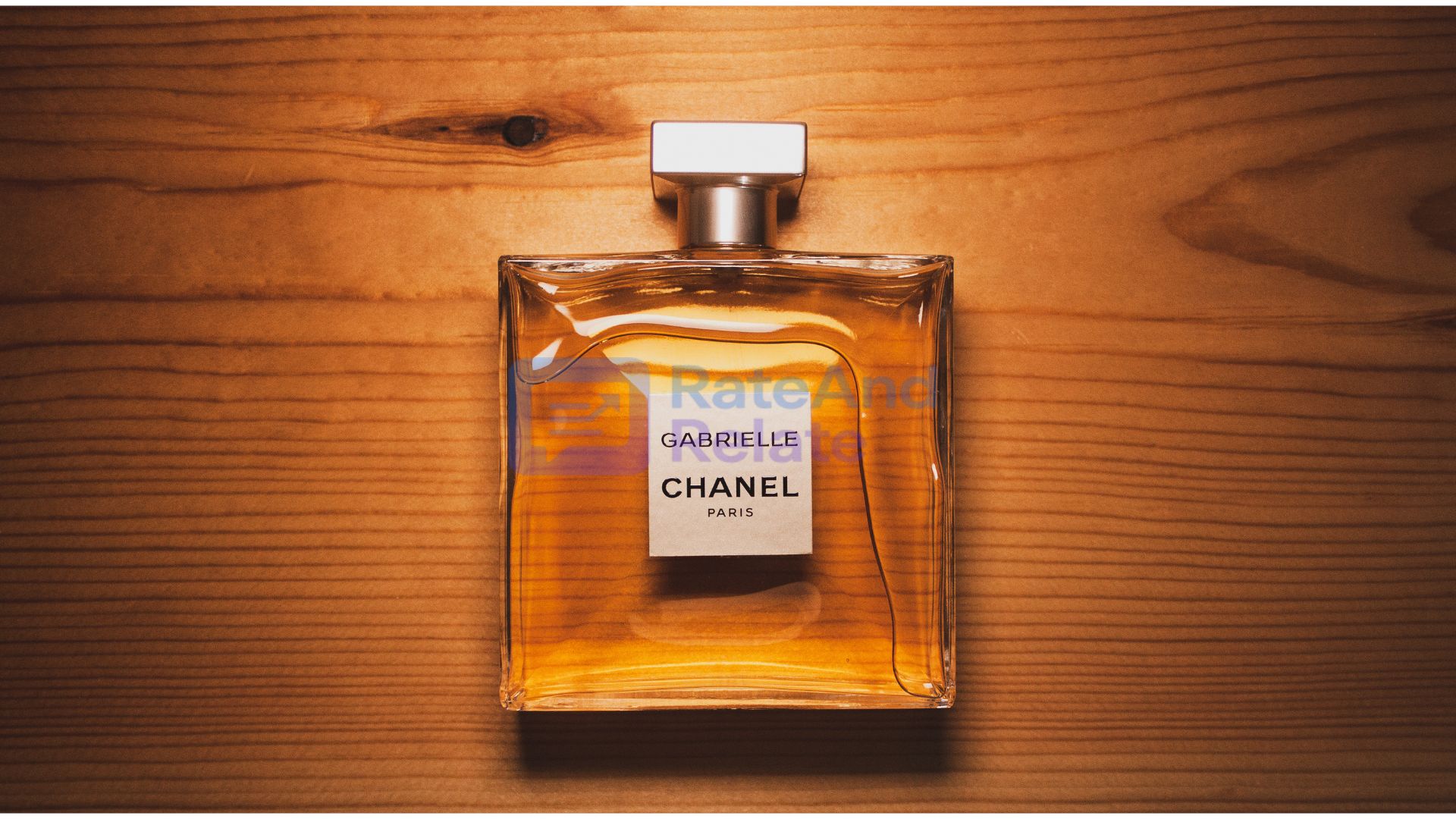

In a time when almost every luxury brand is racing toward digital expansion, I find Chanel’s refusal to fully embrace e-commerce both bold and intentional. While most competitors prioritize convenience and scale, Chanel has chosen a different path. However, I don’t see this as resistance to technology — I see it as a deliberate protection of identity.
Actually, Chanel’s strategy highlights a bigger question: should luxury be easy to access?
The Unusual Decision in a Digital-First World
Today, even heritage luxury brands sell core collections online. Louis Vuitton and Gucci have fully integrated digital storefronts into their growth strategies.
Chanel, however, limits online sales mainly to beauty, fragrances, and eyewear. Its most desirable categories — handbags, haute couture, and ready-to-wear — remain available primarily in physical boutiques.
I believe this is not about capability. Chanel clearly has the resources to build a world-class e-commerce platform. Instead, this is about control and positioning.
Luxury Is About Experience, Not Speed
E-commerce is built on speed and convenience. However, I think Chanel views luxury as something slower and more immersive.
Walking into a Chanel boutique is designed to feel ceremonial — from the store architecture to the trained advisors to the tactile experience of the product. Actually, that emotional journey cannot be replicated by a checkout button.
By keeping its most iconic products offline, Chanel ensures the purchase feels intentional rather than impulsive.
Scarcity Creates Desire
One thing I’ve observed about luxury psychology is that availability often reduces mystique. E-commerce maximizes accessibility. Chanel intentionally limits it.
Waiting lists, limited stock, and boutique-only access create perceived scarcity. However, this scarcity is not accidental — it is strategic.
Chanel handbags are not just fashion pieces; they function as status symbols. I think part of their power comes from the fact that they are not instantly obtainable with a few clicks.
Total Control Over Brand Image
Online selling introduces variables: discount expectations, price comparisons, resellers, and inconsistent brand presentation.
By selling primarily through owned boutiques, Chanel maintains:
- Controlled storytelling
- Consistent customer experience
- Strict pricing discipline
Actually, I believe this level of control is central to preserving long-term brand equity. When luxury becomes algorithm-driven, it risks becoming transactional.
Price Integrity Over Volume
Many brands use e-commerce to drive volume growth. Chanel appears to prioritize price integrity instead.
The brand has consistently increased prices on its iconic handbags. However, because distribution is tightly controlled, those increases reinforce exclusivity rather than trigger discount-driven backlash.
I see this as a positioning move: Chanel products are framed less as seasonal fashion items and more as appreciating luxury assets.
What Chanel Gains by Staying Offline
From my perspective, Chanel sacrifices convenience but gains strategic advantages:
- Stronger brand mystique
- Higher margins through controlled distribution
- Deeper one-to-one client relationships
- Reduced exposure to grey markets and discount cycles
Actually, in luxury, perception often matters more than scale.
The Risks of This Strategy
Of course, this approach is not risk-free.
Younger, digital-native consumers expect seamless online access. Competitors may capture impulse buyers. And global disruptions — such as pandemics — can expose the limitations of offline-heavy models.
However, I think Chanel understands that it does not need to serve everyone. It only needs to serve the right customer in the right way.
A Philosophy, Not Just a Tactic
What stands out to me most is that Chanel’s no-ecommerce stance feels philosophical rather than tactical.
The underlying belief seems clear: luxury should not chase the customer; the customer should seek the brand.
Convenience may drive short-term revenue. However, exclusivity builds long-term legacy.
The Bigger Lesson for Brands
I believe Chanel’s strategy teaches a powerful branding lesson: growth does not always mean expansion. Sometimes, restraint strengthens positioning.
In a world optimized for speed, scale, and instant gratification, Chanel’s refusal to fully digitize its core products reinforces something timeless.
Actually, the most powerful brands are not the easiest to buy — they are the hardest to substitute.