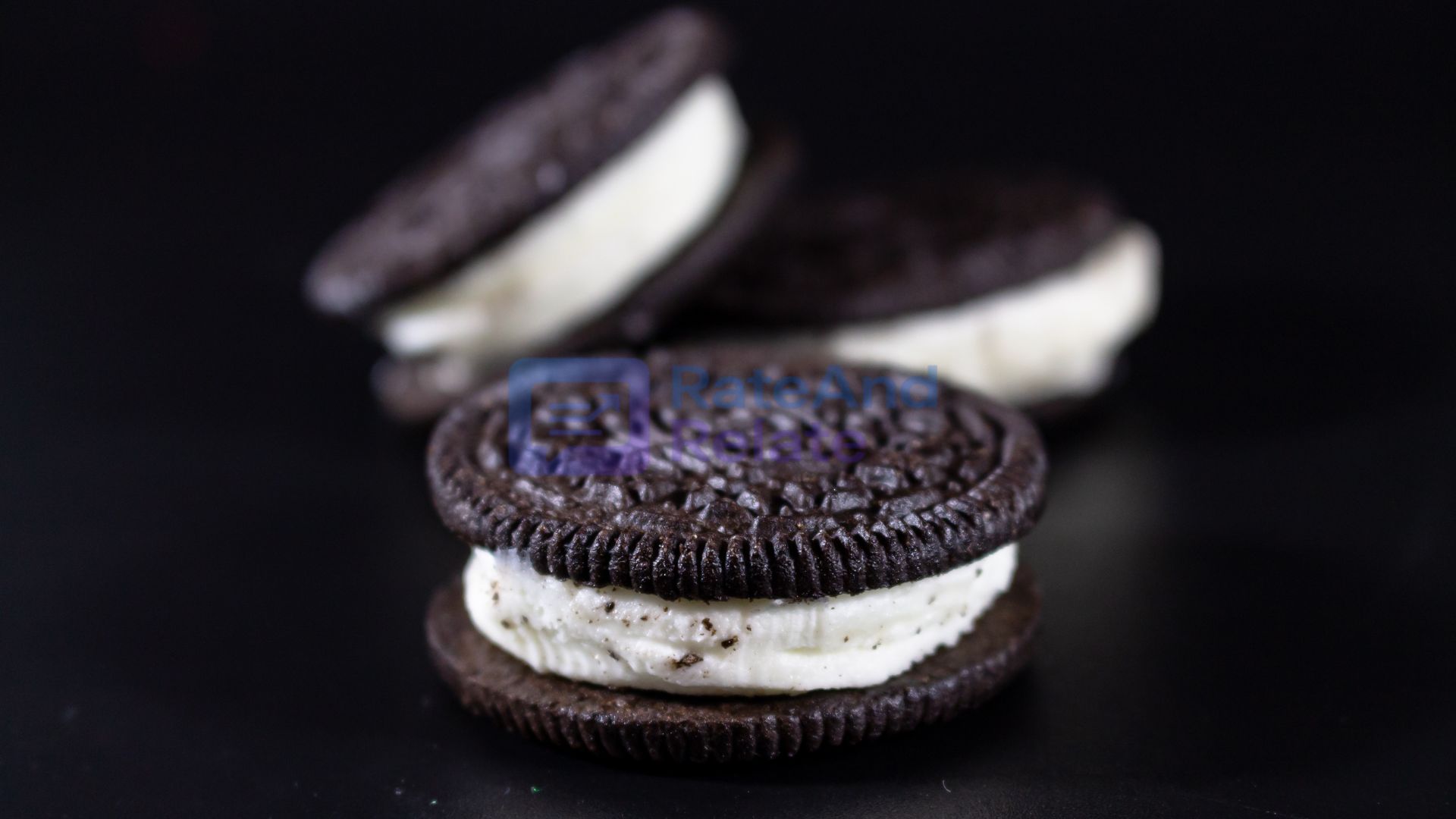

For more than a century, Oreo has been a beloved biscuit. However, in my opinion, the last decade transformed it from just a snack into one of the smartest and fastest brands on the internet. I genuinely believe Oreo didn’t just adapt to social media—it mastered it.
Actually, what fascinates me most is how a simple cookie became a global marketing case study. And I think the secret lies in real-time marketing, culture awareness, and bold creative confidence.
1. The “Dunk in the Dark” Moment That Changed Everything
The real turning point, in my view, came during the Super Bowl XLVII blackout in 2013. While millions of viewers sat in darkness, Oreo’s team reacted within minutes with a simple line:
“You can still dunk in the dark.”
No big production. No celebrity. Just speed and wit.
In my opinion, that single tweet proved three powerful things:
- Social media reacts fast — brands must react faster.
- Creativity beats budget.
- Timing can outperform million-dollar ads.
Actually, I believe this moment reshaped how brands think about live events even today. It showed that relevance is more powerful than repetition.
2. Mastering Culture Jacking (And Doing It Smartly)
Oreo didn’t stop at one viral hit. That’s what makes it impressive.
The brand began tapping into trending moments—movies, memes, internet debates, and global celebrations. I personally think this is where Oreo showed it truly understood internet culture rather than just advertising on it.
We saw:
- Oreo-style references inspired by Game of Thrones
- Cookie versions inspired by Star Wars
- Playful content around elections and major sports events
- Holiday and pop-culture mashups
However, what stands out to me is that the brand never forced relevance. The posts felt natural, timely, and shareable.
3. Creativity Through Simplicity
One thing I admire about Oreo’s strategy is its minimalism.
Most posts featured:
- A single cookie
- A clean background
- A witty line
- A bold twist
While many brands overloaded feeds with flashy visuals, Oreo kept things simple and instantly recognizable. In my opinion, that visual discipline strengthened brand recall more than complicated designs ever could.
4. The Shift to Always-On Marketing
Here’s where I think Oreo was ahead of its time.
Most brands post when they launch campaigns. However, Oreo posts when culture moves.
It built what many call a creative “war room,” where marketers, designers, and writers could react instantly to live events. Instead of waiting weeks for approvals, the brand operated almost like a newsroom.
Actually, I believe this always-on strategy is what truly separated Oreo from competitors. It wasn’t about going viral once—it was about being consistently relevant.
5. Turning Fans Into Co-Creators
Another move I personally find brilliant is how Oreo encouraged user participation early on.
Fans created:
- DIY Oreo recipes
- Oreo art
- Meme trends
- Reactions to limited-edition flavors
In my view, this transformed customers into collaborators. When audiences feel involved, engagement multiplies naturally.
6. Staying Playful Without Losing Identity
Many brands try to be funny and lose their core message. However, Oreo stayed anchored to its essence:
Playfulness. Childhood joy. Twist. Lick. Dunk.
No matter how viral a post became, it always connected back to the brand’s personality. I think that consistency is what prevented Oreo from feeling random or gimmicky.
7. Viral Success Was Strategy—Not Luck
Some people think Oreo’s rise was accidental. I disagree.
In my opinion, it combined:
- Speed
- Cultural awareness
- Creative boldness
- A skilled, empowered social team
- Long-term consistency
Actually, what Oreo proved is that marketing today isn’t about shouting the loudest—it’s about speaking at the smartest moment.
A Cookie That Outsmarted Bigger Budgets
While other brands relied on massive ad films, Oreo relied on timing and cultural intelligence. I genuinely believe that’s why it became a benchmark in modern marketing.
Oreo didn’t just sell cookies—it sold relevance.
And in my opinion, in the age of social media, relevance is the real currency of brand power.