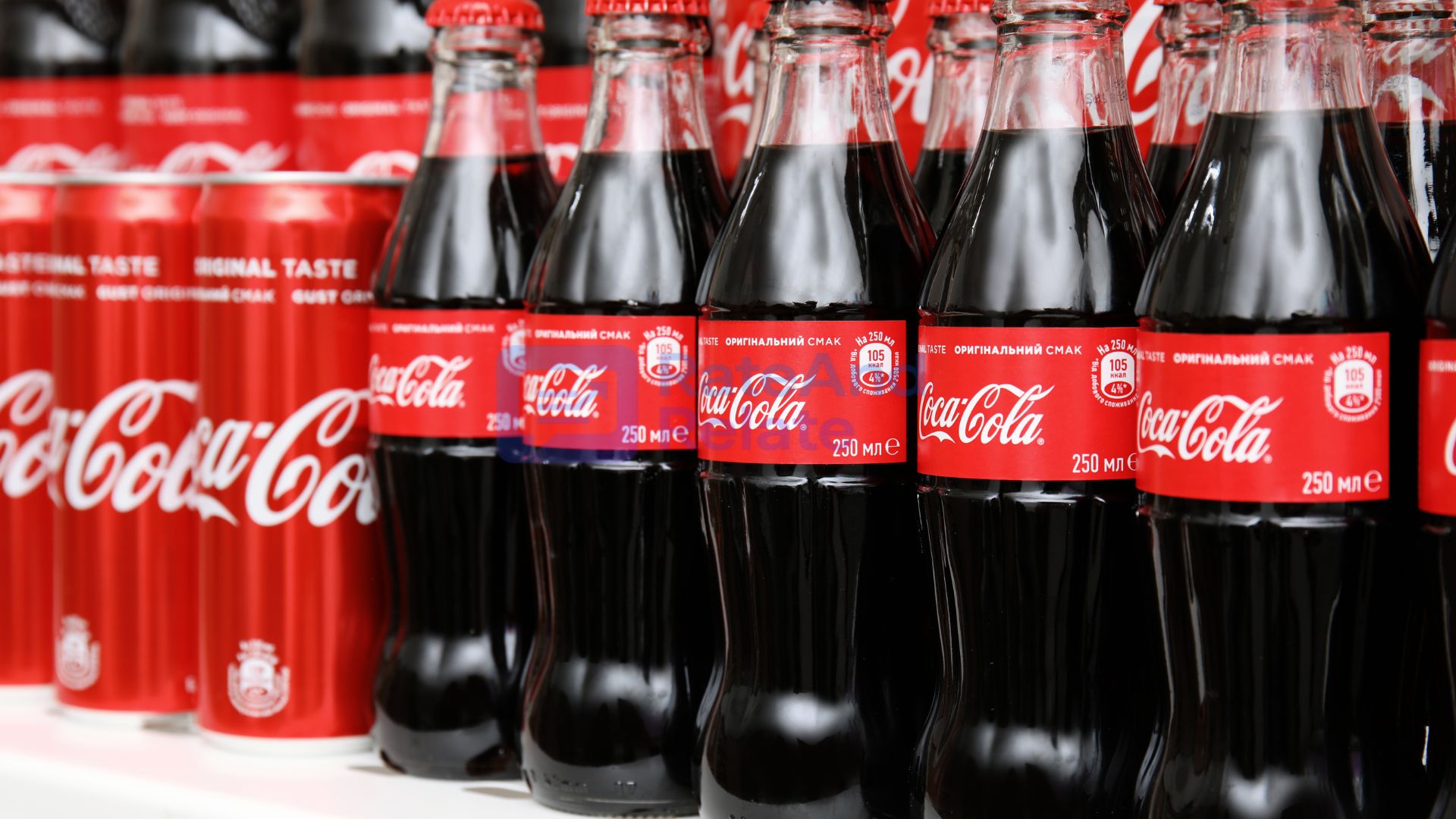

Coca-Cola has announced a major leadership transition. Henrique Braun, the company’s longtime Chief Operating Officer, will step into the role of Chief Executive Officer effective March 31, 2026.
In my opinion, this is not just a routine succession update. Actually, it signals a strategic moment for one of the world’s most established beverage brands. Consumer preferences are evolving quickly, competition is intensifying, and sustainability expectations are rising. Leadership at this stage is not symbolic — it is strategic.
Who Is Henrique Braun?
Henrique Braun is a Coca-Cola veteran with more than 25 years of experience across North America, Latin America, and the Asia-Pacific region. He has led market expansion efforts, overseen global operations, driven digital transformation initiatives, and strengthened relationships with bottling partners worldwide.
I believe his appointment reflects continuity combined with operational strength. However, being a strong operator and being a transformative CEO are two different challenges. The coming years will test his ability to balance efficiency with bold strategic decisions.
Why This Leadership Change Matters
- The global beverage market is shifting
There is growing demand for low-sugar drinks, functional beverages, ready-to-drink teas and coffees, and plant-based hydration products. Coca-Cola has expanded aggressively beyond its traditional carbonated portfolio.
In my view, Braun’s operational background positions him well to scale these categories. However, innovation speed will determine whether the company stays ahead of consumer trends or merely reacts to them.
- Strong focus on emerging markets
Coca-Cola has strengthened its presence in high-growth regions like India, Africa, and Southeast Asia. Braun has played a key role in supporting these expansions.
Actually, I think his promotion suggests that emerging markets will remain central to the company’s growth engine. These markets offer demographic advantages and rising consumption potential that mature markets cannot match.
- Digital and supply chain transformation
Coca-Cola has been modernizing its supply chain using data analytics to improve distribution efficiency and reduce costs. Braun has been closely involved in these efforts.
In my opinion, this indicates that operational discipline will continue to be a priority. In an uncertain global economy, cost optimization and supply chain resilience can protect margins and strengthen competitiveness.
Challenges Ahead
Even a global giant like Coca-Cola faces mounting pressures. Health-conscious consumers are demanding healthier alternatives. Competition remains fierce from companies like PepsiCo and emerging local brands. Sustainability expectations around plastic usage and carbon emissions are intensifying. Economic volatility across regions also affects beverage consumption.
I believe the real challenge for Braun will be balancing innovation with brand heritage. Coca-Cola’s identity is iconic, but long-term relevance requires continuous adaptation.
What This Means for the Future
This leadership transition reinforces Coca-Cola’s effort to combine legacy with modernization. In my opinion, we can expect a sharper push into health and wellness beverages, stronger operational efficiency, deeper investment in emerging markets, and continued portfolio diversification.
However, success will depend on how effectively the company builds trust around sustainability and adapts to rapidly shifting consumer behavior.
Personally, I see this move as Coca-Cola preparing for its next phase of evolution — not abandoning its classic identity, but redefining it for a new generation of consumers.