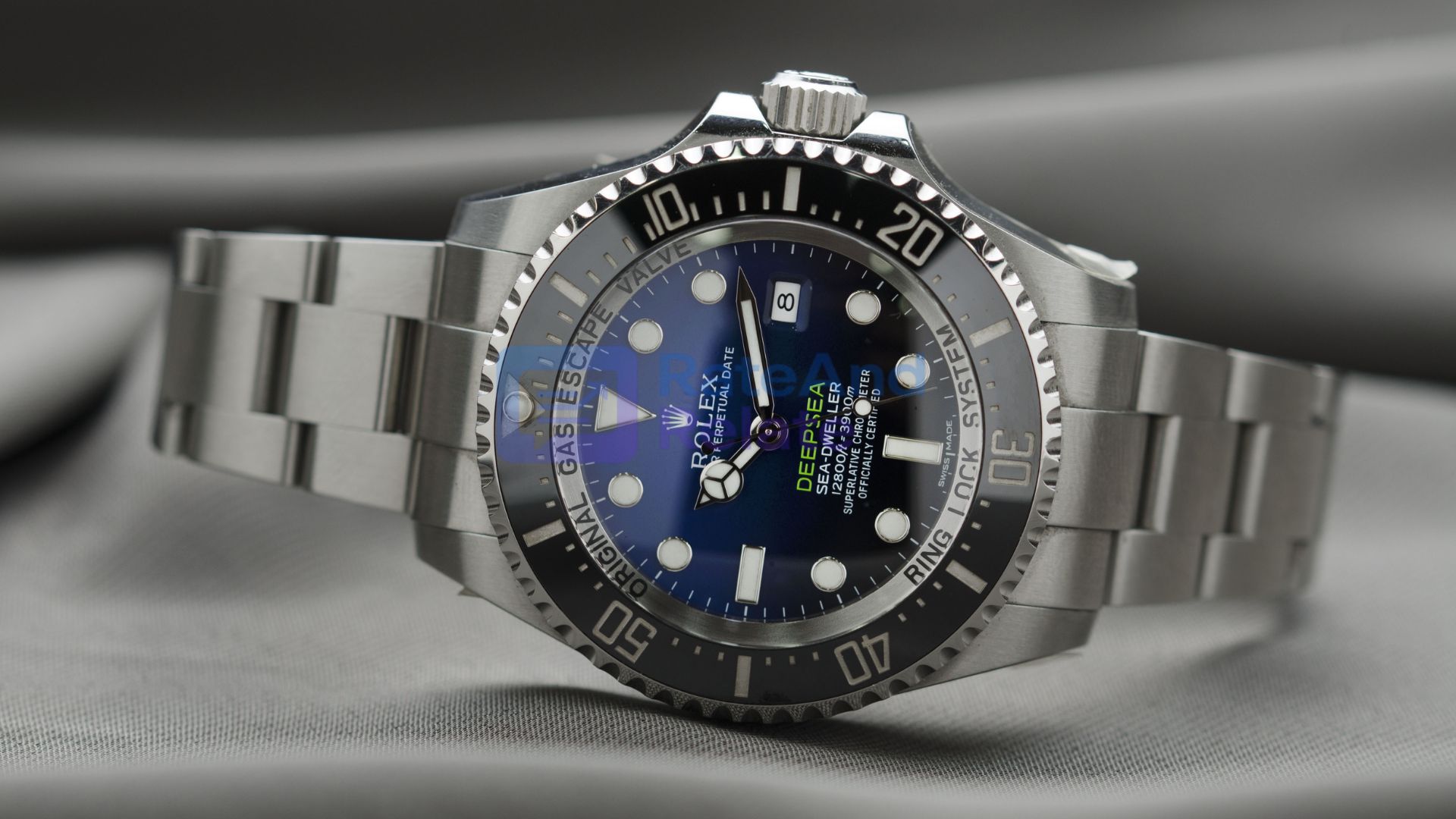

Few luxury brands command the universal respect and instant recognition that Rolex does. When I think of Rolex, I don’t just think of a watch — I think of achievement, craftsmanship, durability, and timeless design. It represents more than timekeeping; it represents status, confidence, and legacy.
Actually, the story of Rolex is not just about luxury. It is about precision engineering, relentless innovation, and a brand philosophy carefully built over more than a century.
A Vision That Began With Accuracy, Not Luxury
Rolex was founded in 1905 by Hans Wilsdorf, who believed wristwatches could be both accurate and elegant — a bold vision at a time when pocket watches dominated. In my opinion, this belief alone set Rolex apart from competitors who saw wristwatches as secondary accessories.
Wilsdorf’s obsession with precision made Rolex the first wristwatch brand to receive the “Swiss Certificate of Chronometric Precision.” That achievement didn’t just validate accuracy — it laid the foundation for global trust.
His philosophy was simple:
If a watch can be trusted, it can be treasured.
I believe this mindset is what slowly transformed precision into prestige.
Innovation as the Backbone of the Brand
Rolex did not build its reputation through flashy advertising alone. However, it built it through technical breakthroughs that reshaped the watch industry.
1. The Oyster — The First Waterproof Wristwatch (1926)
The Oyster case sealed the watch from dust and water, positioning Rolex as a durability pioneer. Actually, this innovation proved that a luxury product could also be practical and resilient.
2. The Perpetual Rotor — Self-Winding Movement (1931)
This self-winding mechanism improved accuracy and convenience. In my view, this invention helped define what we now consider a modern automatic watch.
3. Watches Built for Extremes
Rolex developed tool watches designed for professionals:
- Submariner for deep-sea divers
- Explorer for mountaineers (used during Everest expeditions)
- GMT-Master for long-haul pilots
What stands out to me is that each model had a real functional purpose. Prestige was not manufactured artificially — it was earned through performance.
Every innovation served a purpose. And purpose, over time, built prestige.
Craftsmanship: The Heart of Its Reputation
Rolex watches are engineered and meticulously finished. The brand manufactures nearly every component in-house in Switzerland, even operating its own foundry to create proprietary materials like Everose Gold and Oystersteel.
In my opinion, this level of vertical integration signals complete quality control. It guarantees:
- High durability
- Consistent performance
- Stable quality across generations
However, what truly strengthens Rolex’s prestige is trust. Buyers feel confident that their watch is built to last decades, not just years.
Rolex isn’t just selling watches. It is selling reliability tested by time.
A Timeless Design Philosophy
Rolex rarely introduces drastic design changes — and I believe that is intentional.
A Submariner today closely resembles the Submariner of the 1950s. Actually, this consistency builds:
- Instant recognizability
- Emotional continuity
- Heritage value
- Strong resale demand
In a world driven by fast-changing trends, Rolex thrives by resisting trend cycles. In my view, timelessness itself becomes a luxury.
Scarcity: The Strategic Ingredient of Prestige
Rolex carefully manages its production and distribution. Limited availability fuels:
- Long waiting lists
- High global demand
- Strong secondary-market pricing
However, scarcity is not accidental. It is strategic. When something is difficult to obtain, perceived value increases. I think this controlled exclusivity strengthens the emotional reward of ownership.
Owning a Rolex feels less like a transaction and more like entry into an exclusive circle.
The Psychology of Prestige
Rolex’s global reputation rests on three core pillars:
- Precision — born from technical mastery
- Durability — engineered for longevity
- Timeless elegance — design that never fades
Together, these elements create aspiration. For many individuals, buying a Rolex marks a personal milestone — a promotion, a business success, or a life achievement.
Actually, the watch becomes symbolic. It represents progress and accomplishment.
A Global Icon With Cross-Generational Appeal
Rolex resonates with entrepreneurs, athletes, explorers, collectors, and professionals worldwide. It sits at the intersection of engineering and artistry.
Despite competition from smartwatches and evolving technology, Rolex continues to dominate the luxury segment. In my opinion, this is because technology can measure time — but it cannot replace heritage, emotion, and legacy.
Rolex offers something digital devices cannot: permanence.
Prestige Built One Second at a Time
Rolex’s journey from precision-focused innovator to global luxury icon is a masterclass in brand building. Through relentless engineering, disciplined scarcity, timeless design, and controlled storytelling, Rolex transformed timekeeping into a symbol of success.
However, what truly defines its prestige is consistency. For over a century, its message has remained steady:
True luxury does not rush. It is crafted with patience, purpose, and perfection.