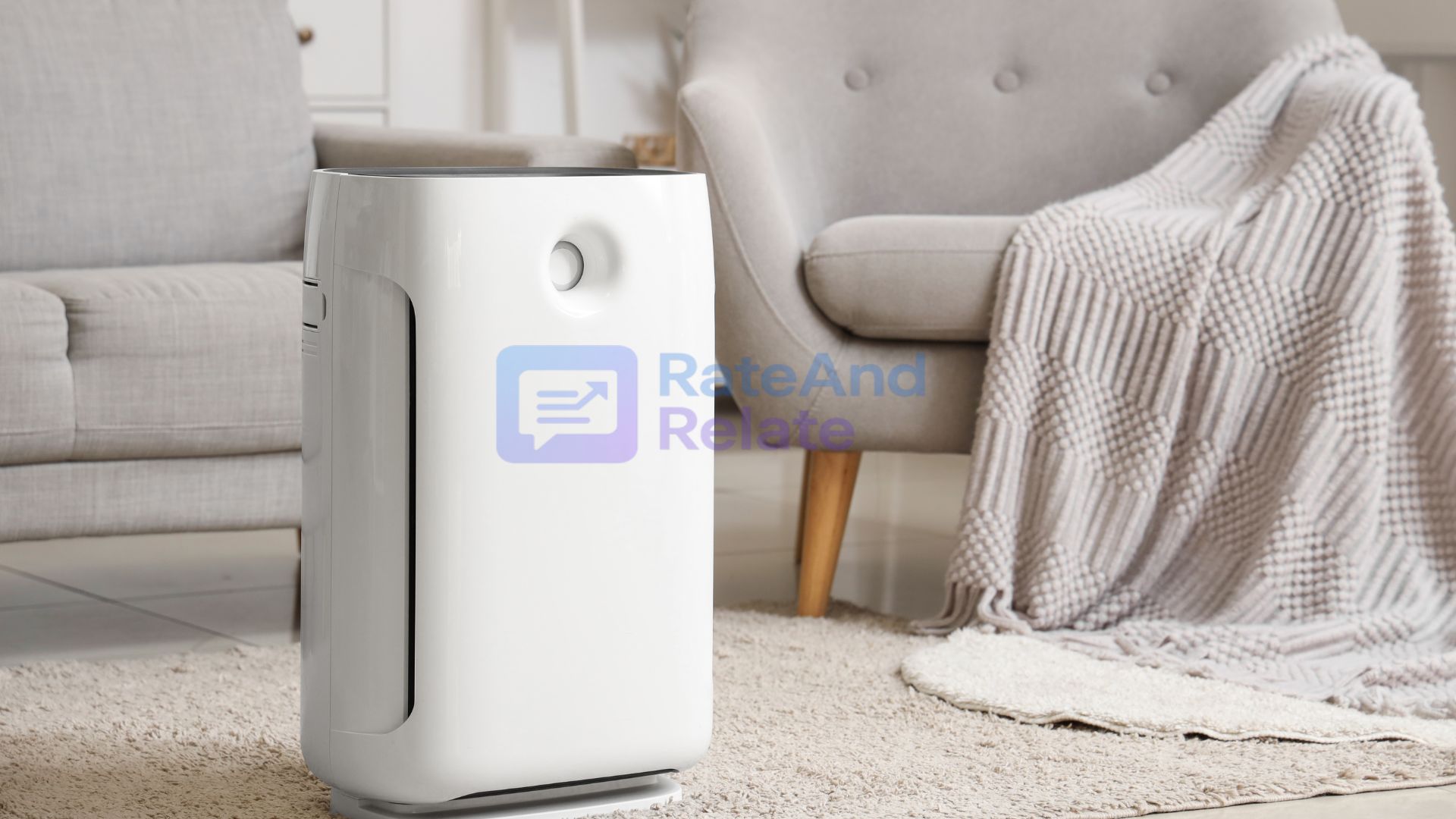

Air quality has honestly become a serious concern in modern cities. In my opinion, with rising pollution, allergens, and indoor contaminants, investing in a good HEPA air purifier is no longer a luxury — it’s becoming a necessity. However, I’ve noticed that many people still don’t fully understand what a HEPA filter actually does or which brands truly deliver value.
So here’s my practical, experience-based breakdown to help you make a smarter decision.
1. What Is a HEPA Air Purifier?
HEPA stands for High-Efficiency Particulate Air.
A True HEPA filter must remove at least 99.97% of particles as small as 0.3 microns. That includes:
- Dust
- Pollen
- Pet dander
- Mold spores
- Bacteria
- Some airborne viruses
- Smoke particles
However, what I’ve learned is that not all air purifiers are equal. Terms like “HEPA-like” or “HEPA-type” sound impressive, but they don’t guarantee the same filtration standard. If you’re serious about air quality, I strongly recommend choosing a product labeled True HEPA.
2. How HEPA Filters Actually Work (In Simple Terms)
I used to think HEPA filters just “blocked” particles like a net. Actually, they work through three scientific mechanisms:
Interception
Medium-sized particles follow airflow but touch the fibers and stick to them.
Impaction
Larger particles can’t adjust direction quickly, so they crash into fibers and get trapped.
Diffusion
Tiny particles (like smoke) move randomly and eventually collide with fibers.
In my opinion, this combination is what makes HEPA filters incredibly effective — they don’t just block particles; they trap them intelligently.
3. What HEPA Filters Do NOT Remove
Here’s something many brands don’t highlight clearly.
HEPA filters cannot remove:
- Gases
- VOCs (volatile organic compounds)
- Chemical fumes
- Strong odors
- Carbon monoxide
- Humidity
However, when combined with an activated carbon filter, performance improves significantly for odors and smoke. So personally, I prefer air purifiers with multi-layer filtration instead of HEPA alone.
4. What I Look for Before Buying a HEPA Air Purifier
If I’m spending money on an air purifier, these are the factors I consider essential:
a. CADR (Clean Air Delivery Rate)
Higher CADR means faster purification.
In my opinion, CADR is more important than brand marketing.
b. Room Coverage
Always match the purifier to your room size. Oversized marketing claims can be misleading.
c. Multi-Stage Filtration
The best models include:
- Pre-filter (for hair and larger dust)
- True HEPA filter
- Activated carbon filter
d. Noise Level
I personally prefer machines that stay quiet on low settings, especially for bedrooms.
e. Filter Replacement Cost
This is something many buyers ignore. Some companies sell affordable machines but expensive replacement filters. I always check yearly maintenance cost before buying.
f. Energy Efficiency
Since purifiers run for hours daily, lower power consumption matters long term.
5. Benefits I’ve Observed from Using a HEPA Air Purifier
Based on user experiences and expert reviews, HEPA purifiers can:
- Reduce allergy and asthma triggers
- Remove fine invisible dust
- Improve sleep quality
- Reduce indoor pollution from cooking and traffic
- Lower exposure to airborne particles
- Keep rooms fresher when combined with carbon filters
However, results vary depending on room size and pollution level.
6. Which HEPA Air Purifiers Are Actually Worth Buying?
In my opinion, these brands consistently perform well based on engineering quality, consumer trust, and filtration efficiency:
Best Overall Performance
- Dyson
- Sharp Corporation
- Philips
These brands offer strong airflow, multi-layer filtration, and long-term reliability.
Best Budget Options
- Xiaomi (Mi series)
- Coway
- Honeywell
I believe these are excellent for cost-effective HEPA performance.
Best for High Pollution Areas
- IQAir
- Blueair
These brands are known for advanced particulate removal and premium filtration systems.
Best for Large Rooms
- Blueair (higher-capacity models)
- Coway AirMega series
Strong CADR and wide coverage make them suitable for bigger spaces.
Best for Smoke & Odors
- Dyson
- Philips Series 3000/4000
In my opinion, their carbon filtration layers handle odors better than basic HEPA units.
(Availability may vary by country, but these brands are globally recognized.)
7. How Often Should You Change the Filter?
Typically:
- Pre-filter: Every 1–3 months
- HEPA filter: Every 6–12 months
- Carbon filter: Around 6 months
However, if you live in a highly polluted city, you may need more frequent replacements.
8. Common Myths — My Honest Take
Myth 1: All air purifiers use HEPA filters
Actually, many cheaper models don’t.
Myth 2: Bigger machines always work better
In my experience, performance depends on airflow design and CADR — not just size.
Myth 3: You only need it in winter
Indoor pollution exists year-round due to dust, cooking fumes, and traffic.
Myth 4: HEPA removes odors
Only activated carbon filters absorb smells and gases.
Final Thoughts
In my opinion, a True HEPA air purifier is one of the most practical investments for improving indoor air quality. However, choosing the right model depends on your room size, pollution level, and maintenance budget.
If you focus on True HEPA certification, good CADR, multi-stage filtration, and reasonable filter replacement cost, you’ll likely make a smart long-term choice.
Cleaner air isn’t just about comfort — it’s about consistent, healthier breathing every day.