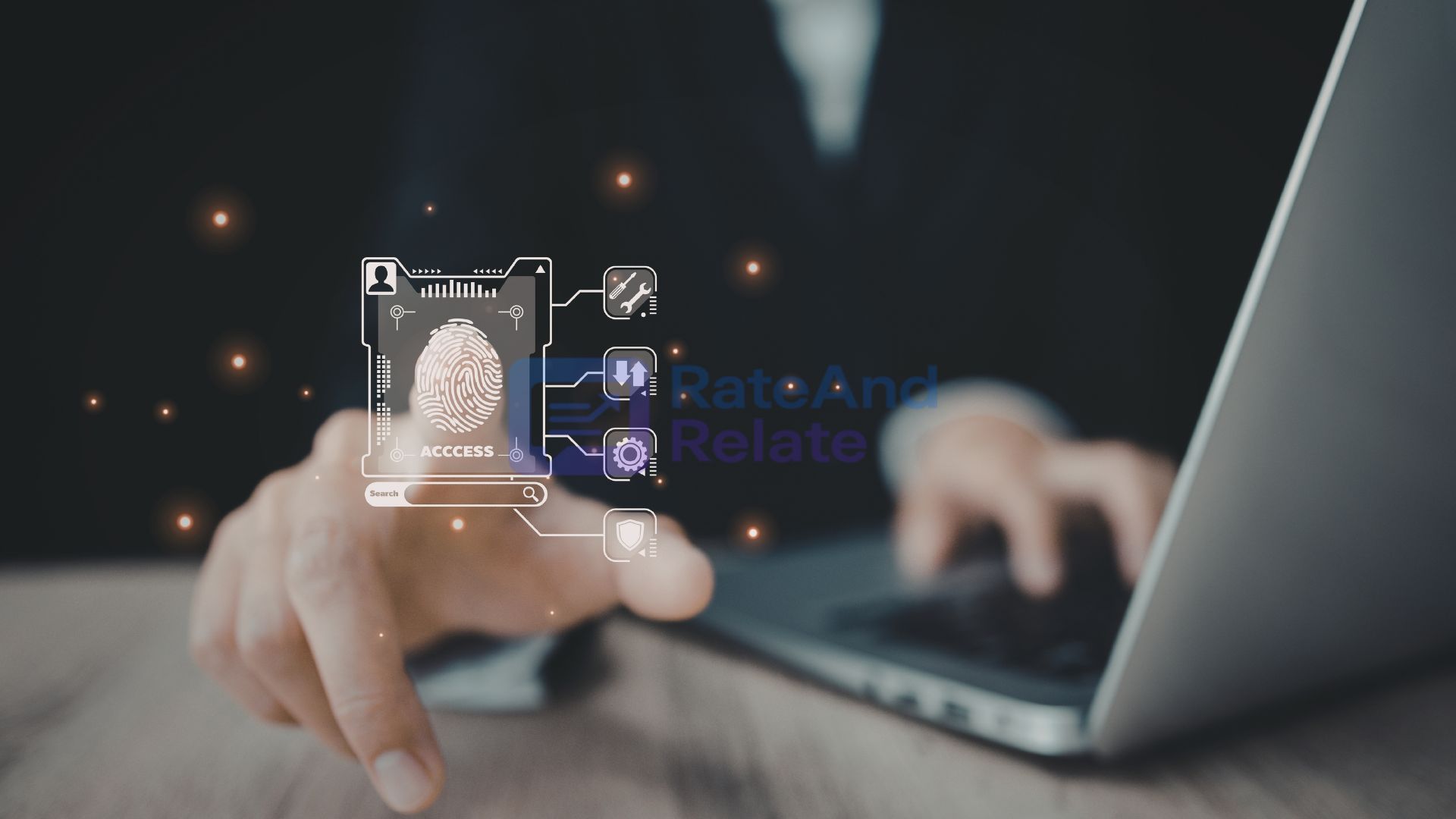

Home security has evolved far beyond simple locks and CCTV cameras. In my opinion, 2026 marks a major turning point where AI-driven smart security systems are no longer luxury add-ons — they’re becoming the new standard for modern homes.
What fascinates me is that these systems don’t just record events. They think, analyze patterns, and respond in real time. Actually, AI is redefining what “safety” truly means inside a connected home.
Why I Believe AI Matters in Home Security
Traditional systems mostly react after something happens. However, AI-powered systems aim to detect risks before they escalate.
Here’s what makes them different in my view:
- They analyze movement, behavior, and recurring patterns.
- They distinguish between a family member, a guest, an animal, or a stranger.
- They flag unusual activity instantly.
- They operate 24/7 without needing constant human supervision.
I believe this intelligence layer transforms security from passive monitoring into proactive protection.
Key Features of AI-Driven Smart Security Systems
1. Facial Recognition & Smart Access Control
AI-powered cameras can identify who is entering or approaching your home.
They can:
- Recognize family members and grant access automatically.
- Alert homeowners if an unknown person appears.
- Maintain visitor logs without manual input.
In my opinion, this reduces dependence on physical keys and traditional verification methods.
2. Real-Time Intrusion Detection
AI systems analyze behavior, not just motion.
For example, they can detect:
- Someone loitering outside for too long.
- Possible forced entry attempts.
- Unusual late-night movement.
However, what makes this powerful is the system’s ability to instantly trigger alarms, lock doors, or send alerts.
3. Intelligent Video Analytics
Unlike traditional CCTV, AI-enabled cameras interpret what they see.
They can:
- Track movement across zones.
- Identify objects.
- Detect risky situations, like someone climbing over a boundary wall.
In my opinion, filtering out false alarms — such as pets or tree shadows — is one of the biggest advantages. It saves both time and unnecessary panic.
4. Predictive Threat Alerts
This is where AI becomes truly impressive.
By studying behavior patterns and historical data, systems can detect:
- Repeated visits by an unknown individual.
- Unusual activity during odd hours.
- Suspicious delivery behavior.
Actually, predictive alerts give homeowners time to act before a threat becomes serious.
5. Smart Locks & Automated Home Control
AI integrates with smart locks, alarms, and lighting systems.
The system can:
- Auto-lock doors at night.
- Turn on lights when motion is detected.
- Activate sirens automatically.
- Send instant mobile notifications.
I believe this automation makes homes responsive rather than reactive.
6. Integration with Smart Assistants
Modern AI security systems often integrate with platforms like Amazon Alexa and Google Home.
Homeowners can:
- View camera feeds using voice commands.
- Lock or unlock doors.
- Activate emergency modes.
In my opinion, this creates a connected ecosystem where convenience and security work together.
Benefits I See for Homeowners
✔ Reduced False Alarms
AI filters out harmless movements, which reduces stress.
✔ 24/7 Automated Monitoring
You don’t need to constantly check camera feeds.
✔ Faster Emergency Response
Instant app notifications enable quicker action.
✔ Better Protection for Kids & Elderly
Real-time tracking and alerts provide added peace of mind.
✔ Increased Property Value
Actually, smart security is becoming a selling point in modern real estate.
Common Use Cases in 2026
From what I observe, AI security is now widely used in:
- Apartment entry systems
- AI-enabled smart doorbells
- Gated community monitoring
- Private villa surveillance
- Rental homes with digital access control
Even budget-friendly systems now include motion detection and cloud-based alerts.
Challenges I Think Should Be Considered
However, AI-powered security isn’t without concerns:
- Privacy risks if data isn’t secured properly.
- Higher upfront costs for advanced systems.
- Cloud storage dependency.
- Technical setup and maintenance needs.
In my opinion, choosing trusted brands with strong data protection policies is absolutely essential.
The Future of AI in Home Security
Looking ahead, I believe the next wave will include:
- Drone surveillance for large properties.
- AI-powered neighborhood watch networks.
- Direct integration with emergency services.
- Behavioral biometrics for ultra-secure access.
- Fully autonomous protection systems.
In my view, homes of the future won’t just be secure — they will be intelligently self-protecting environments.
AI-driven security systems represent more than convenience. I genuinely believe they are shaping a future where safety is proactive, personalized, and constantly evolving.