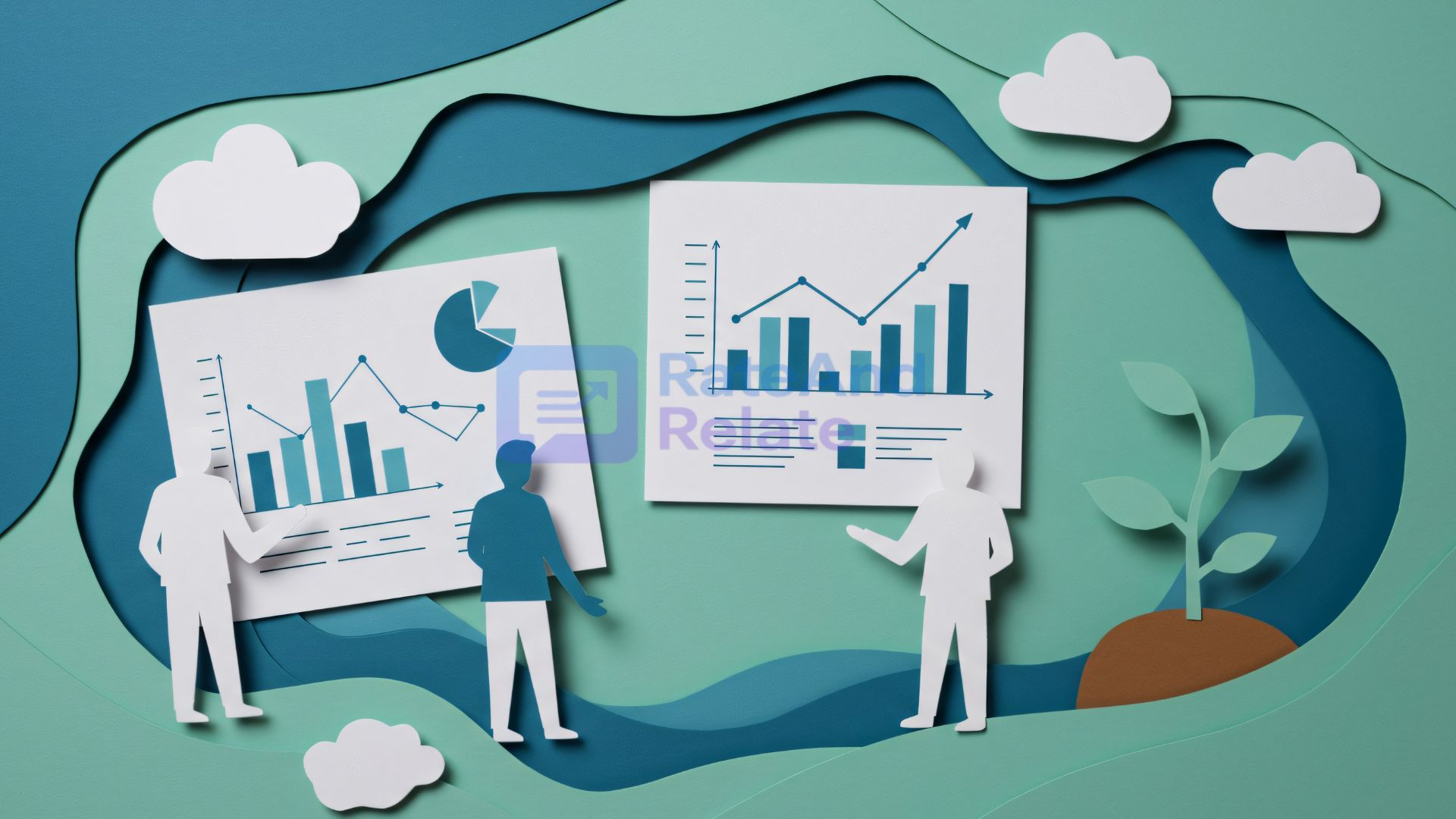

A sustainable business model is no longer optional; it is essential for long-term growth, resilience, and relevance. As markets evolve, customer expectations rise, and environmental pressures increase, businesses must adopt strategies that ensure financial success while also benefiting communities and the planet. A sustainable model isn’t just about “going green”—it’s about creating lasting value. Here is a clear step-by-step guide to help you build one.
1. Define Your Core Purpose and Long-Term Vision
Sustainability starts with intention. Before looking at resources, markets, or finances, define why your business exists.
Your purpose should address real needs—economic, social, or environmental—and guide every decision.
Questions to explore:
- What problem are we solving long-term?
- How does our business create positive impact?
- What values define us?
A strong purpose becomes the anchor for a resilient business.
2. Understand Your Stakeholders
A sustainable model benefits not just customers, but employees, suppliers, communities, and the environment. Conduct a stakeholder analysis to identify expectations and responsibilities.
Key groups include:
- Customers
- Employees
- Suppliers and partners
- Local communities
- Regulators
- Environmental impact zones
Understanding their needs helps build a balanced, accountable strategy.
3. Map Your Value Proposition
Next, clarify what makes your offering both valuable and sustainable.
A sustainable value proposition can include:
- Eco-friendly products
- Ethical supply chains
- Long-lasting, repairable goods
- Transparent pricing
- Community-driven services
- Energy-efficient processes
- Social inclusion or local empowerment
Focus on creating value that doesn’t exhaust resources or harm the ecosystem.
4. Evaluate Resources and Capabilities
A sustainable model uses resources efficiently and responsibly.
Assess:
- Raw materials (renewable vs. non-renewable)
- Energy usage
- Waste generation
- Carbon footprint
- Workforce skills
- Technology requirements
- Supplier practices
Then identify improvements—switching to renewable energy, optimizing processes, training staff, or choosing ethical suppliers.
5. Incorporate Circular Economy Principles
A circular model minimizes waste by keeping resources in use for as long as possible.
Core strategies include:
- Designing products for durability and repair
- Offering recycling or take-back programs
- Reusing material in production
- Reducing packaging
- Shifting to subscription or rental models
- Using biodegradable or recyclable inputs
This not only reduces environmental impact but also lowers long-term costs.
6. Build a Financially Viable Structure
Financial sustainability is crucial. A business can’t be environmentally or socially responsible if it cannot survive.
Consider:
- Pricing strategies that reflect true value
- Long-term cost savings from efficiency
- Revenue diversification
- Partnerships and grants
- Sustainable sourcing budgets
- Investment in green technology
The aim is “profit with purpose,” not profit at any cost.
7. Adopt Technology for Efficiency and Transparency
Tech plays a massive role in sustainability:
- Automation reduces waste
- Data analytics optimizes operations
- AI predicts demand accurately
- Blockchain ensures supply chain transparency
- IoT monitors energy usage
Smart technology reduces costs and builds customer trust.
8. Measure Impact and Track KPIs
A sustainable model must be measurable. Track key indicators like:
- Carbon footprint
- Energy consumption
- Waste reduction
- Employee satisfaction
- Supply chain compliance
- Community engagement
- Profit margins and growth rate
Frameworks like ESG (Environmental, Social, Governance) or the UN SDGs (Sustainable Development Goals) provide structure for reporting.
9. Communicate Transparently
Consumers value honesty. Communicate your sustainability goals, achievements, and challenges clearly through:
- Reports
- Website updates
- Product labels
- Social media
- Customer education content
Transparency builds loyalty and strengthens your brand.
10. Continuously Improve and Innovate
Sustainability is not a one-time project—it is a continuous journey.
Regularly review performance and explore ways to innovate:
- Improve materials
- Reduce energy use
- Enhance worker conditions
- Adopt new technologies
- Expand community initiatives
Businesses that evolve with change survive longer and thrive stronger.Creating a sustainable business model requires clarity, discipline, and a long-term mindset. By aligning purpose with responsible operations, ethical practices, efficient resource use, and financial strength, businesses can build models that endure. Sustainability is not just a trend—it is the foundation of future business success.